For businesses still running Windows 10, time is running out—not just for the operating system itself, but for the hardware it depends on.
Microsoft’s decision to end support for older processors in October means that even if a PC boots up today, its ability to stay secure tomorrow will depend entirely on what’s under the hood. If your processor isn’t on Microsoft’s approved list, security updates will stop cold. That’s not just a technical hiccup; it’s a compliance risk that IT teams are already scrambling to address.
The stakes couldn’t be clearer. Windows 10 remains in use across millions of devices, but the platform’s future is now tied to the age and model of the hardware it runs on. For businesses, this isn’t just about keeping software up to date—it’s about managing a wave of forced upgrades that could disrupt workflows or inflate operational costs.
Microsoft’s move reflects a broader shift in how operating systems are architected, one where platform compatibility is no longer assumed but explicitly negotiated. The question now isn’t just whether businesses can upgrade, but when—and at what cost.
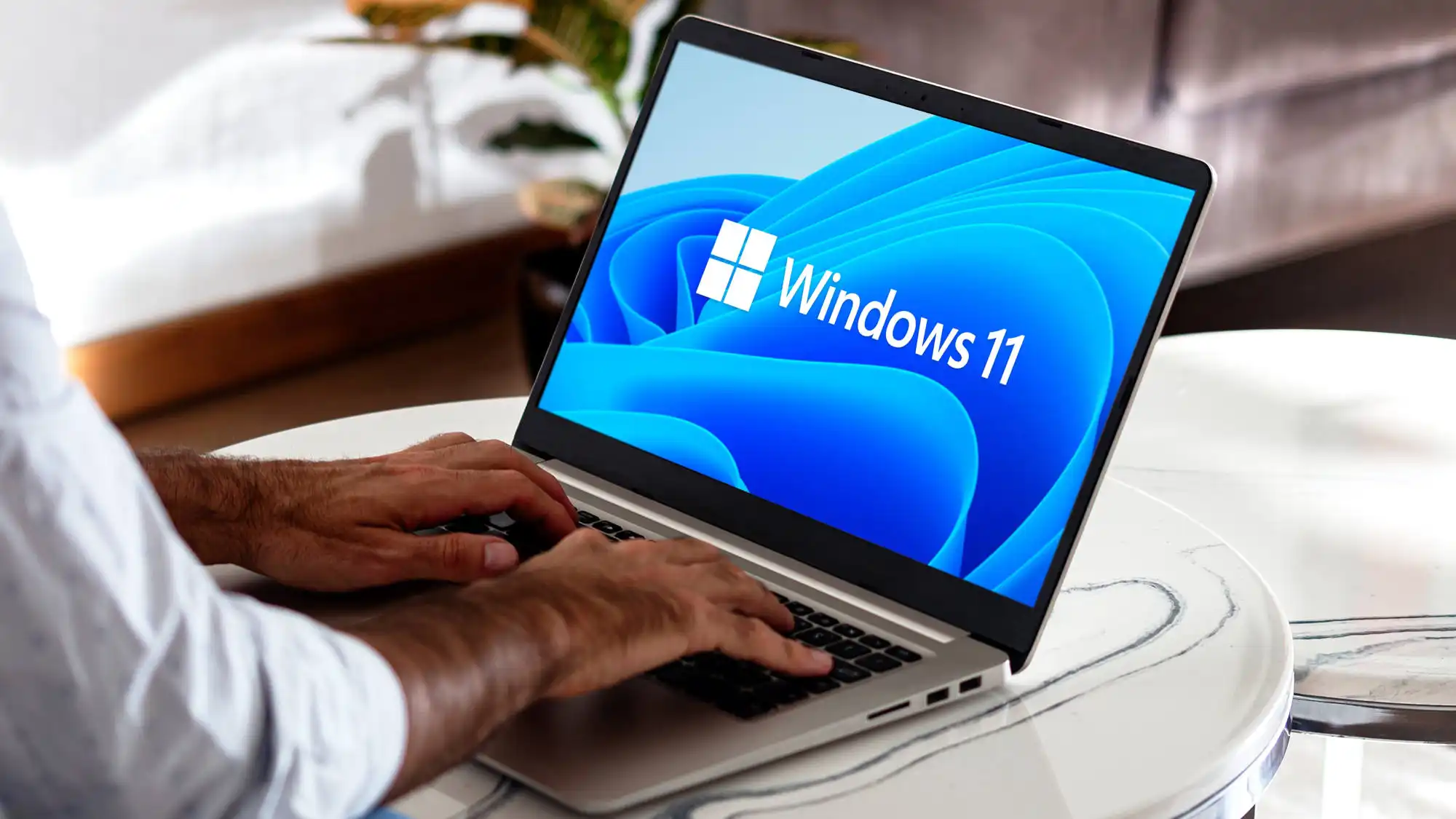
The list of supported processors is short: only those released after October 2015 will continue receiving updates. That means older CPUs, even if they’re still functional, will be left behind. For IT departments, this creates a tight window to assess hardware inventories, prioritize upgrades, or find workarounds—none of which come without trade-offs.
On the surface, this seems like another update cycle with a new deadline. But the implications are deeper. It’s a reminder that in today’s tech landscape, platform support isn’t just about software lifecycles; it’s about the silent partnership between hardware and OS. And when one side of that equation stops moving forward, the other can’t follow.
For businesses, the clock is ticking. The choice to act—or wait—will define not just their IT strategy, but their operational efficiency for years to come.