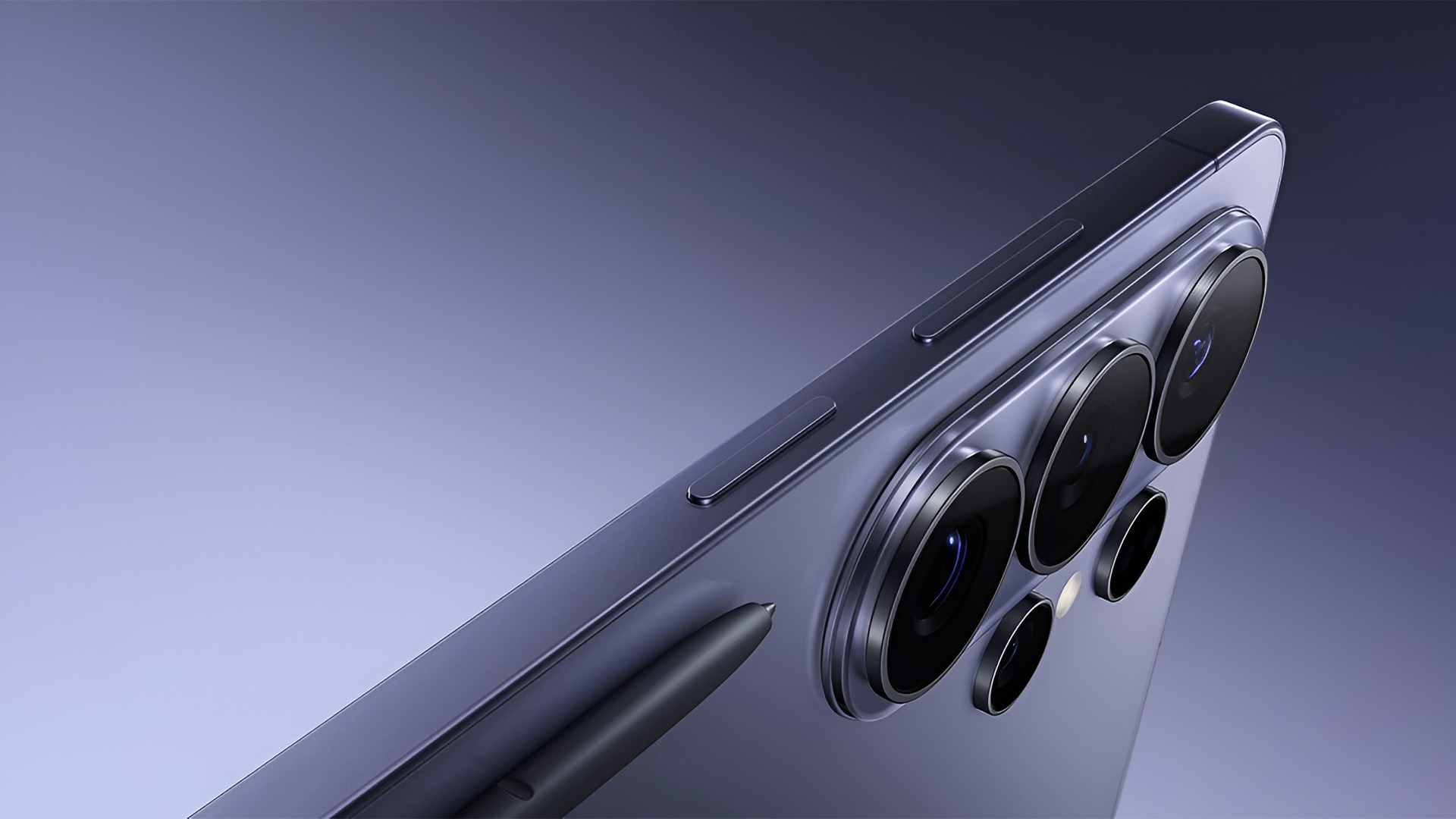
The Galaxy S26 Ultra and iPhone 17 Pro Max are locked in an arms race of wireless speeds, but the latest benchmark tests show that the Samsung flagship’s Wi-Fi 7 performance isn’t just faster—it’s meaningfully faster in one critical area. In a direct comparison, the Galaxy S26 Ultra outpaces the iPhone 17 Pro Max by over 100% in upload speeds, a margin that stands out against a backdrop of otherwise close competition.
This isn’t an across-the-board dominance, however. While Samsung’s implementation excels in upload performance, the iPhone 17 Pro Max holds its own in download speeds and latency, leaving the real-world impact of this gap largely theoretical for now. The difference hinges on how each device handles Wi-Fi 7’s advanced features, particularly multi-link operation (MLO), which stitches together multiple frequency bands to improve throughput.
Where the Galaxy S26 Ultra Pulls Ahead
The Galaxy S26 Ultra’s lead comes from its ability to leverage MLO more effectively in upload scenarios. In a controlled test, Samsung’s device achieved approximately 101% higher upload speeds than the iPhone 17 Pro Max, meaning it can push data back to a router nearly twice as fast under ideal conditions. This isn’t a game-changer for most users, but it could matter in specific workflows—such as transferring large files or streaming high-resolution content from cloud storage—where upload performance is a bottleneck.
Download speeds, on the other hand, tell a different story. The iPhone 17 Pro Max closes the gap significantly here, with both devices delivering strong results that are more aligned with real-world expectations for Wi-Fi 7. Latency remains nearly identical between the two, suggesting that neither device offers a meaningful advantage in responsiveness or lag.

What This Means for Power Users
- Upload-Centric Workflows: Users who frequently upload large files—such as raw image or video footage—might notice a difference on the Galaxy S26 Ultra, particularly when working with cloud-based editing tools or backup services.
- Download Performance: For general browsing, streaming, or downloading content, the iPhone 17 Pro Max is equally capable, with no practical disadvantage in everyday use.
- Latency and Responsiveness: Neither device offers a noticeable edge in how quickly web pages load or how smoothly apps respond to input, meaning this metric won’t influence most users’ choices.
The takeaway is clear: the Galaxy S26 Ultra’s Wi-Fi 7 implementation is more optimized for upload-heavy tasks, but the real-world benefit is narrow. For the average user, the difference in performance is unlikely to change their experience significantly. However, power users who push the limits of wireless connectivity—such as those working with high-bandwidth applications or testing network capabilities—might find Samsung’s approach more suitable.
This benchmark also underscores a broader trend: Wi-Fi 7’s potential remains largely untapped across both Android and iOS ecosystems. While manufacturers are making progress in hardware, the full promise of MLO and other advanced features still waits for software to catch up. Until then, the battle between Samsung and Apple will continue to be one of incremental gains rather than revolutionary leaps.