When digital fatigue sets in and passive scrolling feels unfulfilling, there’s a growing niche of websites designed to transform idle curiosity into immersive learning. Two stand out for their ability to merge entertainment with deep-dive education, ensuring that time spent online feels both productive and delightful.
The first, Animagraffs, specializes in animated infographics that break down complex systems into visually stunning, step-by-step animations. Need to understand how a Formula 1 car’s hybrid powertrain functions or how a self-driving vehicle navigates traffic? The platform delivers intricate, fluid animations that make technical subjects accessible. Even the mechanics of everyday objects—like how speakers convert electrical signals into sound—are presented with a level of detail that sparks imagination. For aviation enthusiasts, the animated dissection of a P-51 Mustang fighter plane from World War II serves as a masterclass in mid-20th-century engineering, blending nostalgia with technical precision.
Meanwhile, the PhET Interactive Simulations project, developed by the University of Colorado Boulder, offers a trove of physics, chemistry, and earth science simulations that let users experiment with real-world phenomena. Want to visualize how sound waves propagate through different mediums? Or see how solar radiation interacts with the Earth’s atmosphere? The platform turns abstract concepts into interactive experiences, complete with adjustable variables and real-time feedback. Whether you’re revisiting high school physics or exploring advanced topics like quantum tunneling, the simulations provide a hands-on approach that traditional textbooks can’t match.
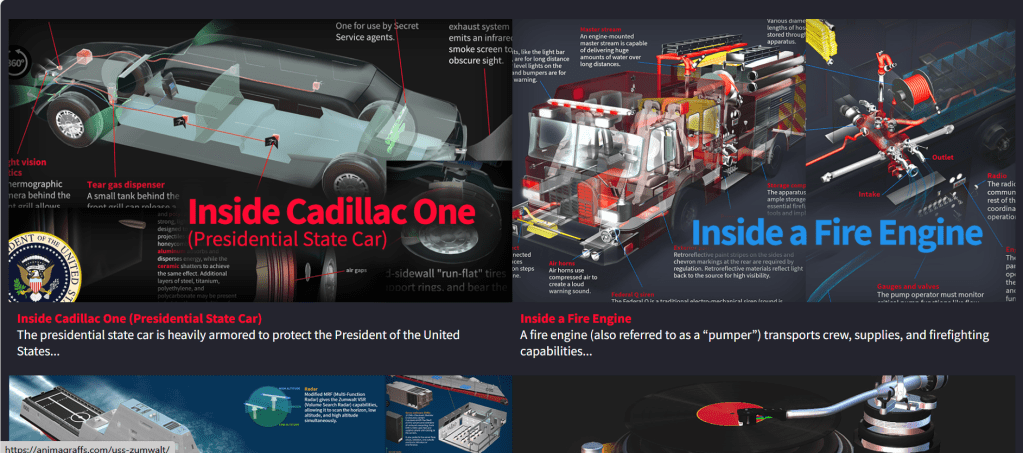
Both platforms excel in a key way: they eliminate the dryness often associated with educational content. Animagraffs’ animations feel more like watching a high-quality documentary, while PhET’s simulations encourage experimentation—users aren’t just passive observers but active participants in their learning. This dual appeal makes them ideal for professionals looking to sharpen skills, students seeking supplementary resources, or anyone with a moment to spare and a question to explore.
What sets these sites apart is their ability to cater to niche interests without sacrificing depth. Whether it’s the inner workings of a fire truck’s hydraulic system or the mechanics behind a solar eclipse, the content is tailored to satisfy genuine curiosity rather than broad, generic explanations. In an era where attention spans are fragmented, they offer a rare blend of engagement and substance—proof that the internet can still be a place for meaningful discovery.