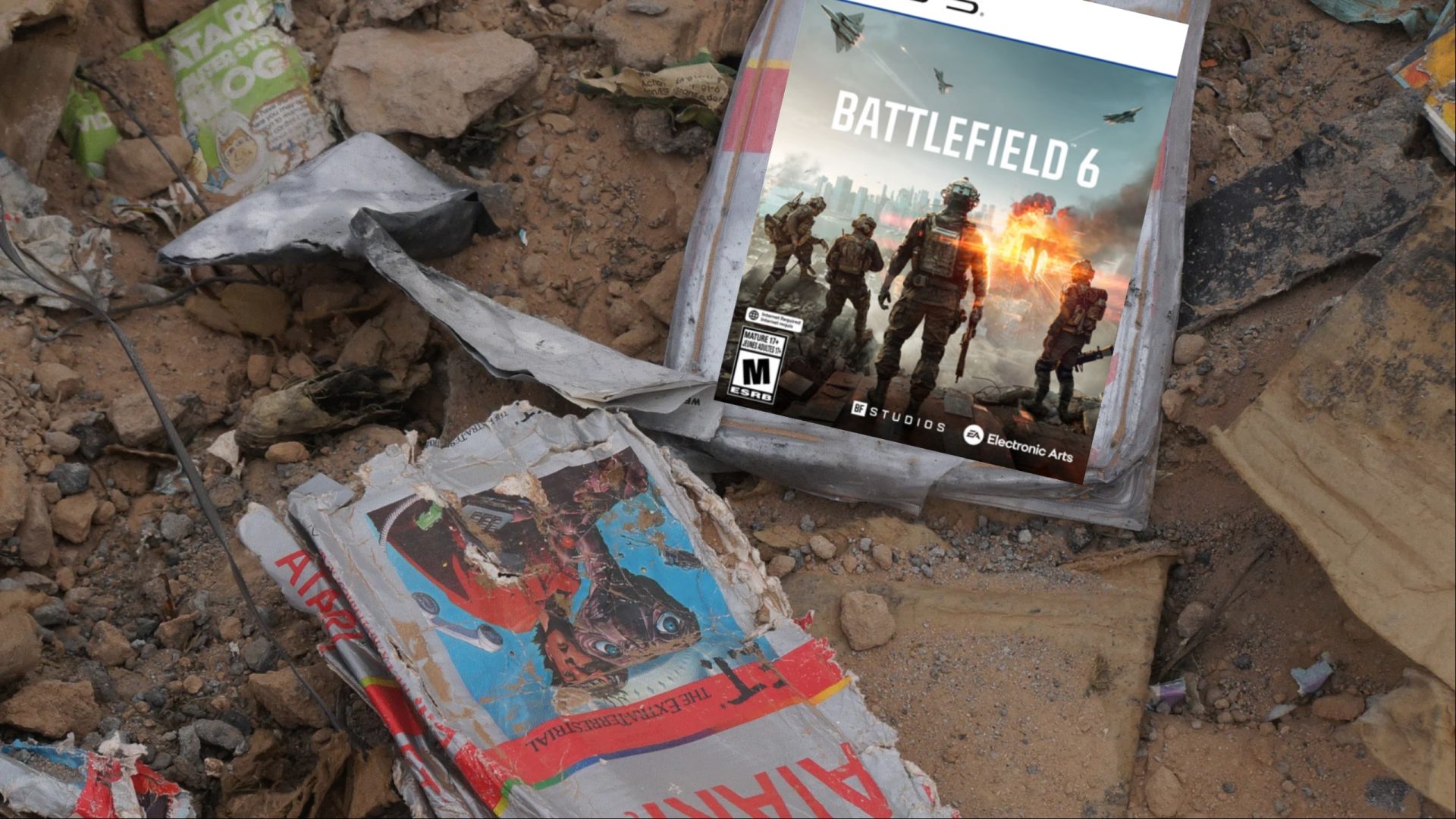
The video game industry is in turmoil, with conditions so dire that even those who lived through its darkest hours are alarmed. The situation, some argue, has reached a point where it rivals—or surpasses—the infamous crash of 1983, a period that once defined the business's worst days.
This isn't just about market fluctuations or a single bad quarter. It's a systemic issue, one that affects every corner of the industry from indie developers to AAA studios. The signs are everywhere: crunch culture is back with a vengeance, layoffs are becoming routine, and the once-promising model of live-service games is showing its cracks under the weight of player fatigue and regulatory scrutiny.
At the heart of this crisis lies a fundamental shift in how games are made, sold, and experienced. The industry that once thrived on innovation and creativity now grapples with unsustainable business practices, rising costs, and an increasingly skeptical audience. For those who have spent decades in this space, it's a stark reminder of how far the industry has fallen—and how hard it might be to climb back.
John Romero, one of the pioneers of modern first-person shooters with titles like Doom and Quake, has been vocal about the current state of affairs. Alongside his partner Brenda Romero, he's painted a grim picture of an industry that feels 'crashier' than ever before. Their concerns echo those of many others who see the sector teetering on the brink.
What makes this crisis particularly troubling is its breadth. It's not just about financial performance or market saturation; it's about the health of the creative ecosystem. The industry that once nurtured groundbreaking ideas now struggles with repetitive formulas, over-reliance on live-service models, and a growing disconnect between developers and players.
For players, the impact is immediate. Games that once promised innovation often deliver more of the same, wrapped in increasingly aggressive monetization strategies. The rise of microtransactions and battle passes has turned what should be a celebration of creativity into a minefield of frustration. Meanwhile, the cost of entry for new developers has never been higher, squeezing out fresh voices and stifling experimentation.
But perhaps the most concerning aspect is the industry's response to these challenges. Rather than introspection or reform, there's a sense of business-as-usual, with companies doubling down on the same strategies that have led them here. The result? A cycle of burnout, disillusionment, and creative stagnation.
The 1983 crash was a wake-up call, a moment when the industry had to reinvent itself or risk oblivion. Today's crisis feels different—more systemic, more entrenched. Will this be another turning point, or will it mark the beginning of something even worse?