The T1 phone’s public face has vanished without warning, leaving a void that speaks louder than any official statement. No announcements, no updates—just silence from the PR firm that once championed its launch.
This abrupt departure isn’t just about optics; it signals a broader realignment in how mobile hardware navigates market trust and operational costs. Developers, already attuned to platform stability, now face new variables in their decision-making.
The T1’s core specs remain unchanged: 8GB LPDDR5X RAM paired with a Snapdragon 8 Gen 2 SoC clocked at 3.0 GHz. Storage options stick to 128GB and 256GB UFS 4.0 variants, while the display is a 6.7-inch OLED with 120Hz refresh rate. Yet beneath these technical details lies a growing question: What happens when the ecosystem’s support structure falters?
For developers, the implications are immediate. The T1’s platform was built on a promise of efficiency—lower power draw, optimized AI workloads, and seamless integration with third-party tools. But without coordinated PR, that promise risks being drowned out by competition.
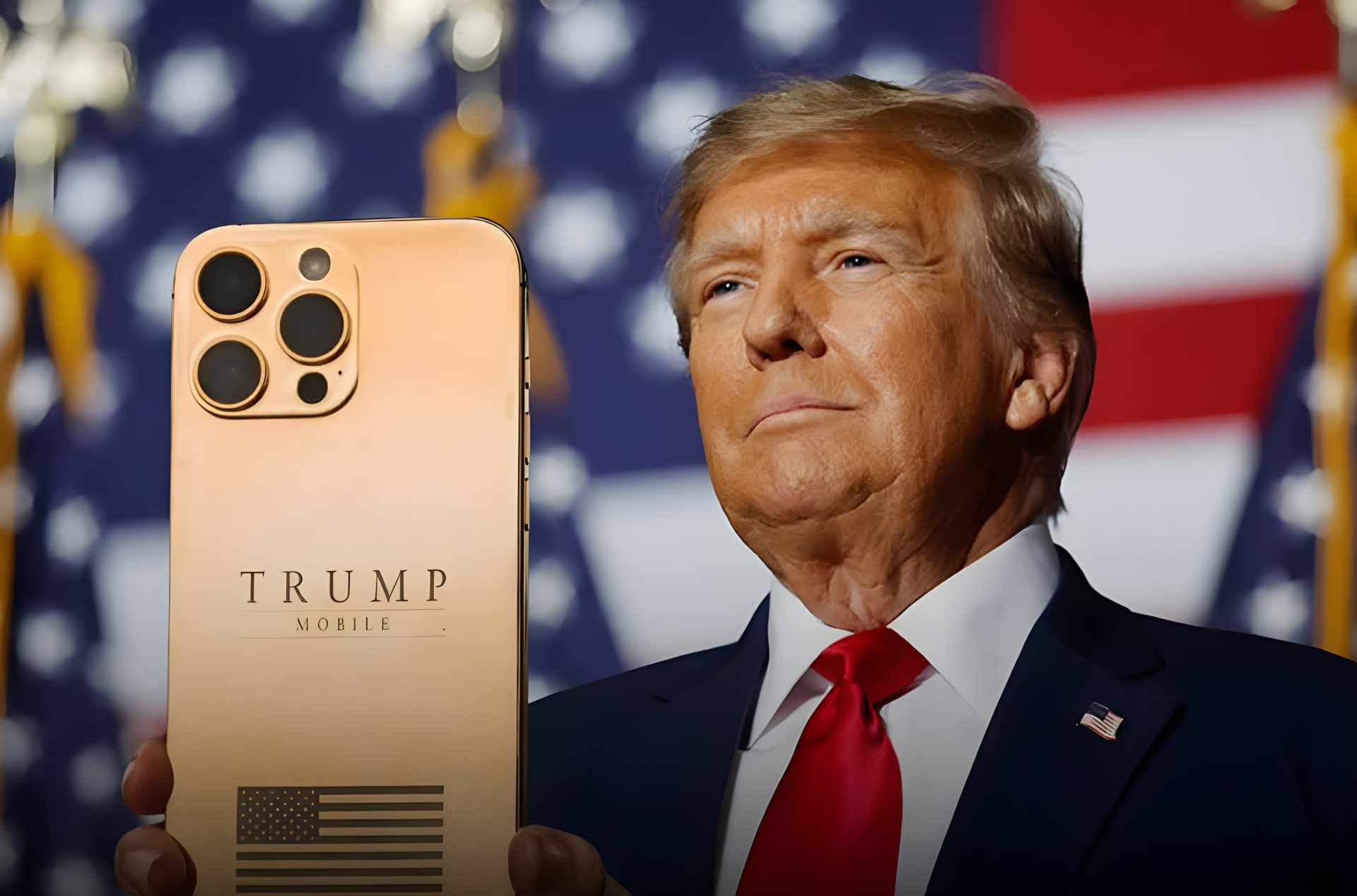
- Display: 6.7-inch OLED, 120Hz refresh rate
- Chipset: Snapdragon 8 Gen 2 (3.0 GHz)
- RAM: 8GB LPDDR5X
- Storage: 128GB/256GB UFS 4.0
The hardware itself isn’t the issue; it’s the ecosystem around it. Buyers now weigh not just performance but reliability, and the T1’s sudden PR vacuum forces them to question whether its advantages—like AI-optimized processing or energy efficiency—are worth the risk.
This isn’t the first time a device has faced scrutiny over its market positioning, but the speed of the T1’s retreat is unprecedented. For developers, the lesson is clear: platform stability isn’t just about specs anymore. It’s about ensuring that the narrative around those specs remains intact—even when the PR firm doesn’t.