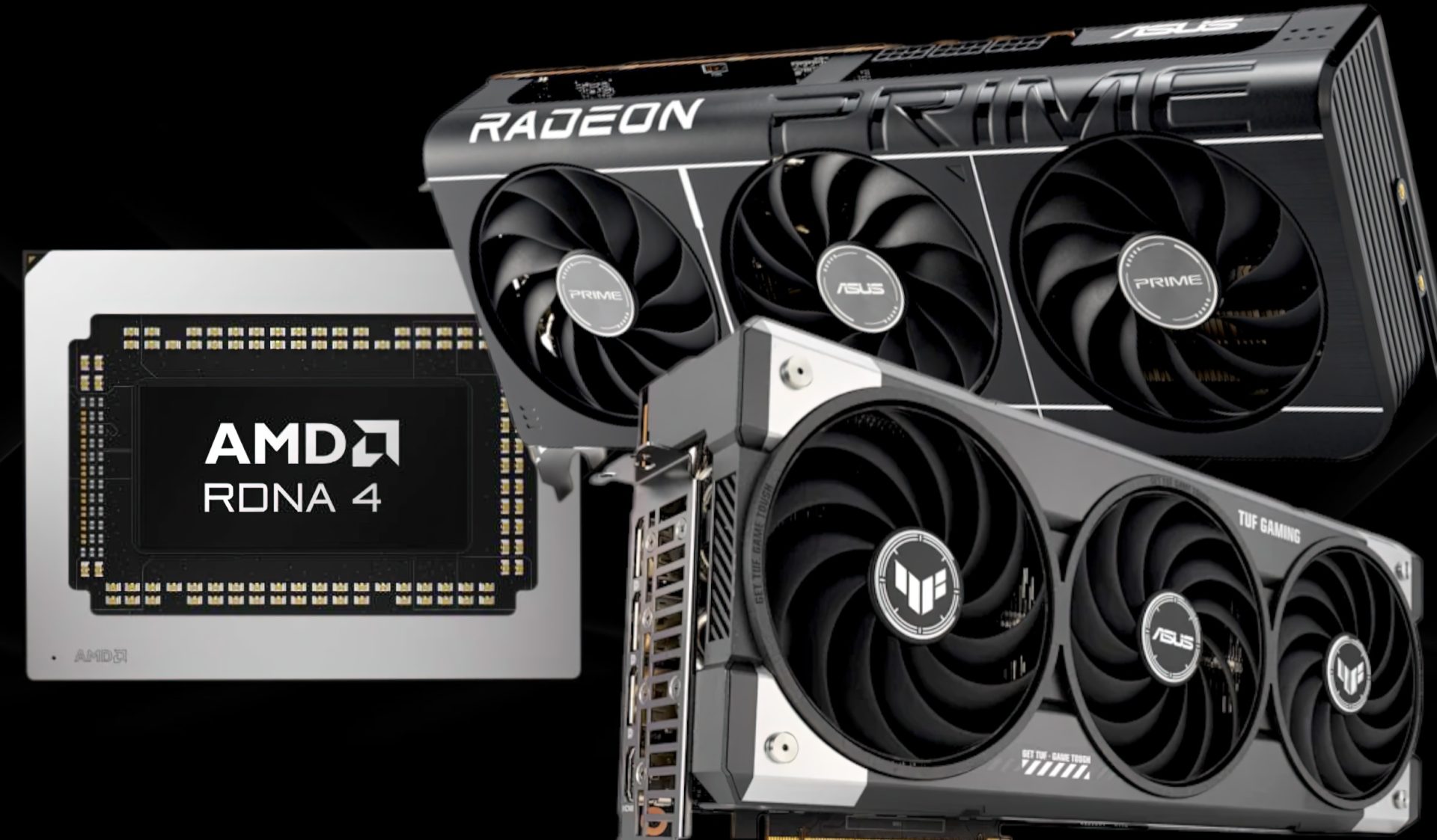
AMD’s RX 9000 series is set to undergo another price increase, potentially rising by 10% to 15%, according to industry reports. This latest adjustment comes as GPU prices remain volatile, with data centers and AI workloads driving a surge in demand that outpaces supply.
The move could force buyers—especially those running high-performance computing tasks—to reassess upgrade timing and budgeting. Efficiency, already a key concern for data workloads, may become even more critical under these new pricing conditions.
Key Specifications
- Model: RX 9000 series (RDNA 3 architecture)
- Price adjustment: Estimated 10-15% increase
- Target workloads: AI, data processing, high-end gaming
The RX 9000 series is built on AMD’s RDNA 3 architecture, which has already shown strong performance in AI acceleration and memory bandwidth. However, the latest price hike could tighten margins for data centers, where cost efficiency is paramount.
Market Context
This isn’t the first time GPU prices have spiked in recent months. The so-called ‘RAMpocalypse’—a term used to describe the shortage of high-bandwidth memory—has already pushed costs higher for GPUs, CPUs, and other memory-intensive hardware. The RX 9000 series, with its focus on AI and compute performance, is particularly vulnerable to these market pressures.
Implications
- Data centers may need to delay upgrades or seek alternative solutions to manage costs.
- Consumers running AI workloads could see longer wait times for price stabilization.
That’s the upside—here’s the catch. While the RX 9000 series delivers strong performance, the latest price increase could make it less competitive against NVIDIA’s offerings in some segments, particularly where cost efficiency is a priority. Buyers will need to weigh whether the performance gains justify the higher expense.
What’s Next?
The exact timing of the price hike hasn’t been confirmed, but industry sources suggest it could roll out within the next few weeks. If this pattern continues, buyers should prepare for further volatility in GPU pricing, especially as data and AI workloads remain a dominant force in the market.