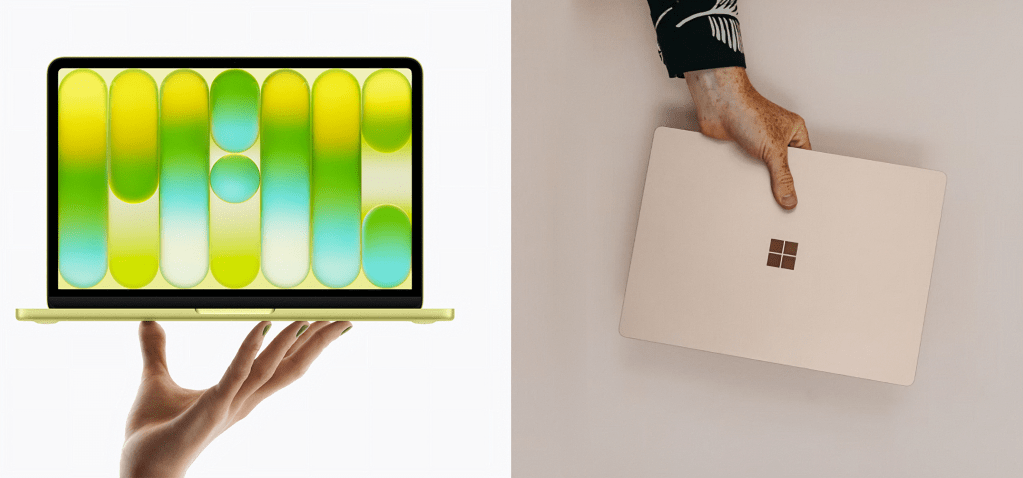
Laptops used to be like toolboxes: you bought the basics, added what you needed later, and kept them running for years. Today, that flexibility is disappearing. The culprit? A perfect storm of AI demand, engineering trade-offs, and a market that no longer assumes memory will stay cheap.
At the heart of the issue is RAM—a resource now so scarce and expensive that manufacturers are permanently fusing it to motherboards. Even brands like Framework, once champions of upgradeability, have hiked RAM prices twice in months. The result? Consumers face a stark choice: pay a premium now for a configuration they can’t modify later, or settle for underpowered machines that can’t keep up with evolving software demands.
This isn’t just about AI data centers gobbling up supplies. It’s about a design philosophy that prioritizes thinness, efficiency, and upfront profit over long-term adaptability. For most users, the impact is subtle: an extra $50 to $100 for the RAM configuration they want. But for power users—video editors, AI enthusiasts, or anyone pushing hardware limits—the consequences are far worse. There’s no waiting for prices to drop. No swapping in more memory when needs change. Just a machine that becomes obsolete the moment it leaves the store.
How We Got Here: The Slow Demise of a Feature
Upgradable laptops weren’t always rare. A decade ago, buying a base model and adding RAM later was standard practice. Memory was cheap, and the ability to customize hardware was a selling point. But as laptops shrank, so did the space for modular components. Engineers replaced removable RAM slots with soldered chips—closer to the CPU for better performance, easier to manage in tight designs, and simpler for manufacturers to assemble.
The shift wasn’t controversial when RAM was abundant. But now, with AI workloads demanding unprecedented memory capacity, the trade-off feels irreversible. Data centers are consuming RAM at a scale that trickles down to consumer pricing. Lenovo, for instance, has been hoarding inventory to stabilize costs, but the damage is done: most new laptops arrive with memory that can’t be touched again.
The Real Cost of Soldered RAM
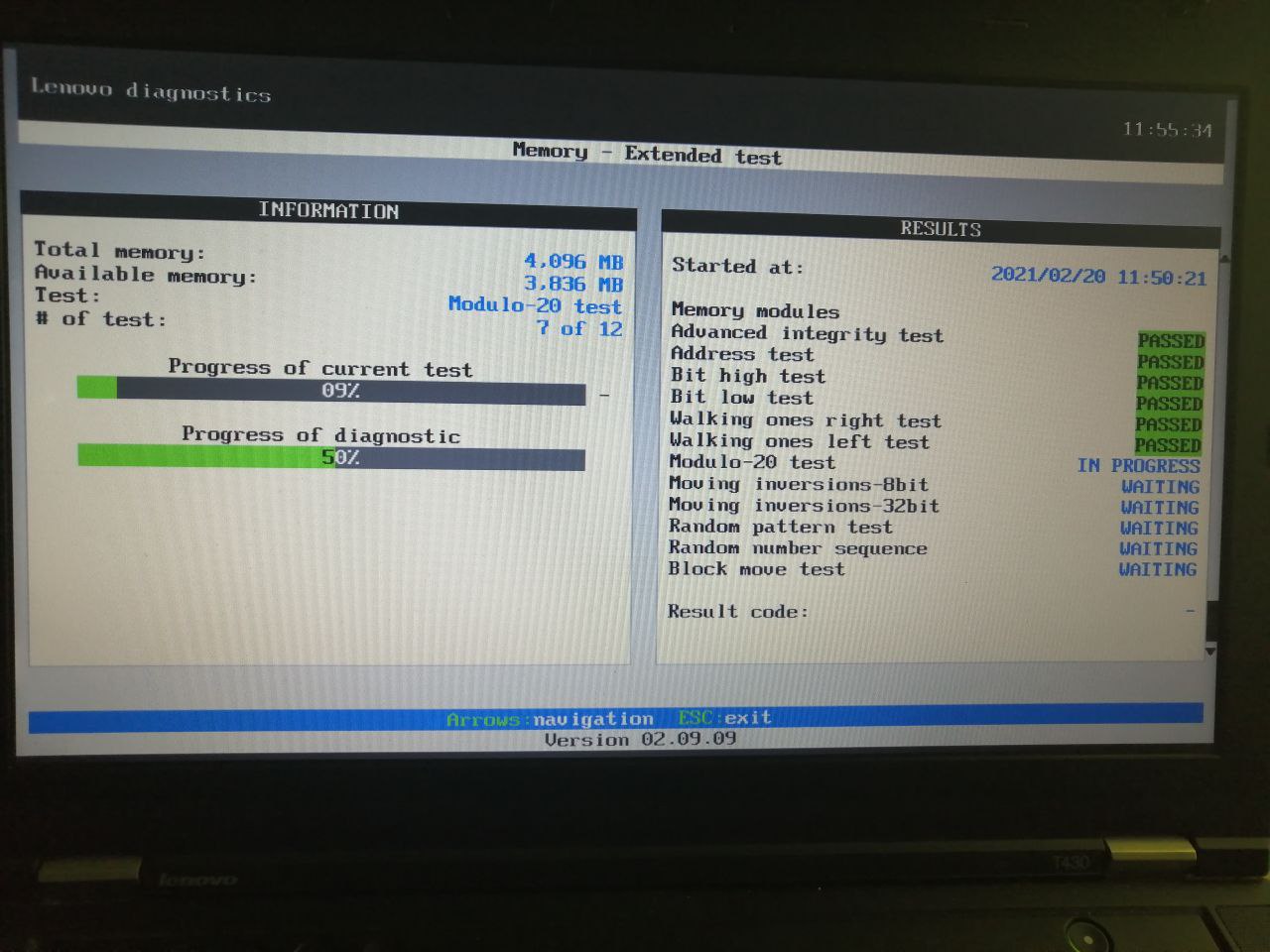
For casual users, the immediate pain is financial. A laptop with 16GB of soldered RAM might cost $100 more than a base 8GB model. That’s a one-time hit—no future flexibility to justify the expense. But for professionals, the cost is performance. An 8GB soldered configuration in a 2026 laptop will struggle with AI-driven applications, video editing, or even multitasking. And unlike the past, there’s no workaround: no local tech shop selling upgrade kits, no DIY solutions for swapping in more memory.
Some are getting creative. Modders have begun salvaging RAM chips from old laptops and repurposing them for desktops, but this is a niche solution requiring technical skill. For everyone else, the message is clear: if you need more memory than the base model offers, you’re locked in.
Who Still Has Options?
Not all hope is lost. A few manufacturers still offer upgradeable designs, though they’re becoming exceptions. Framework, for example, continues to allow RAM swaps—but at a steep price. Their latest models now require users to pay significantly more upfront for higher configurations, a direct response to the market conditions. Other brands have quietly dropped upgrade paths entirely, betting that most consumers won’t notice or care.
The broader industry seems to have accepted that upgradeability is a luxury few can afford. Thin-and-light designs dominate, and with them, the assumption that users will prioritize portability over long-term adaptability. But for those who rely on performance—whether for work or play—the loss is more than inconvenient. It’s a step backward into an era where hardware is disposable.
The Bottom Line: What’s Next?
The RAM shortage isn’t killing upgradeability outright, but it is exposing how little the industry values flexibility. AI demand has accelerated a trend already in motion: the end of the upgradeable laptop. For now, the workarounds are limited to paying more upfront or accepting underpowered configurations. The long-term solution? It might require a shift in consumer expectations—or a new generation of laptops built with adaptability in mind.
One thing is certain: if you’re buying a laptop today, treat it like a final purchase. The days of treating it as a platform for future upgrades are fading fast.