For IT administrators and Linux-dependent developers, the arrival of *Highguard*—a free-to-play hero shooter from the minds behind *Apex Legends* and *Titanfall*—poses an immediate compatibility challenge. The game mandates three technical prerequisites: Secure Boot, a Trusted Platform Module (TPM) 2.0, and the kernel-level Easy Anti-Cheat (EAC) system. While modern Windows 11 PCs with recent hardware will meet these requirements without issue, the restrictions create friction for Linux users and legacy systems.
Secure Boot, a UEFI feature designed to prevent unauthorized bootloaders, is being weaponized by *Highguard* to enforce anti-cheat compliance. This means Linux distributions—even those with Secure Boot support—will struggle to run the game natively. Workarounds like virtual machines or cloud streaming exist, but they introduce latency and complexity for enterprise or multiplayer environments.
Key Technical Requirements
- Secure Boot: Enabled by default on most modern Windows 11 systems; must be manually activated on Windows 10 or Linux.
- TPM 2.0: Required for cryptographic key storage; absent in pre-2016 hardware or older motherboards.
- Easy Anti-Cheat: Kernel-level driver that integrates with Windows security features, bypassing traditional user-space anti-cheat methods.
For system administrators, this translates to a binary choice: either enforce Windows-based gaming stations or accept that *Highguard* will be inaccessible to Linux workstations. The game’s reliance on kernel-level access raises additional concerns about system stability, as EAC operates at a level typically reserved for core OS functions.
Why This Matters for Admins
Enterprise IT policies often prioritize flexibility and cross-platform support. *Highguard*’s requirements force a reevaluation of gaming workstations, particularly in environments where Linux is standard for development or general use. The game’s anti-cheat approach also complicates patch management—updates to EAC or Secure Boot policies may require OS-level changes, disrupting workflows.

Linux gamers, though a minority (~1% of Steam users according to Valve’s hardware survey), represent a vocal segment of the PC community. The exclusion risks alienating a demographic that values open-source compatibility. For *Highguard*’s developers, the tradeoff is clear: stringent anti-cheat measures may deter cheaters but alienate a niche yet influential user base.
Performance vs. Compatibility
EAC’s kernel-level design is touted as a robust solution to cheating in free-to-play titles, where account swapping is a common bypass. However, its effectiveness hinges on universal adoption—something *Highguard* may struggle to achieve given its technical barriers. Older hardware, which lacks TPM 2.0, will be entirely locked out, further narrowing the install base.
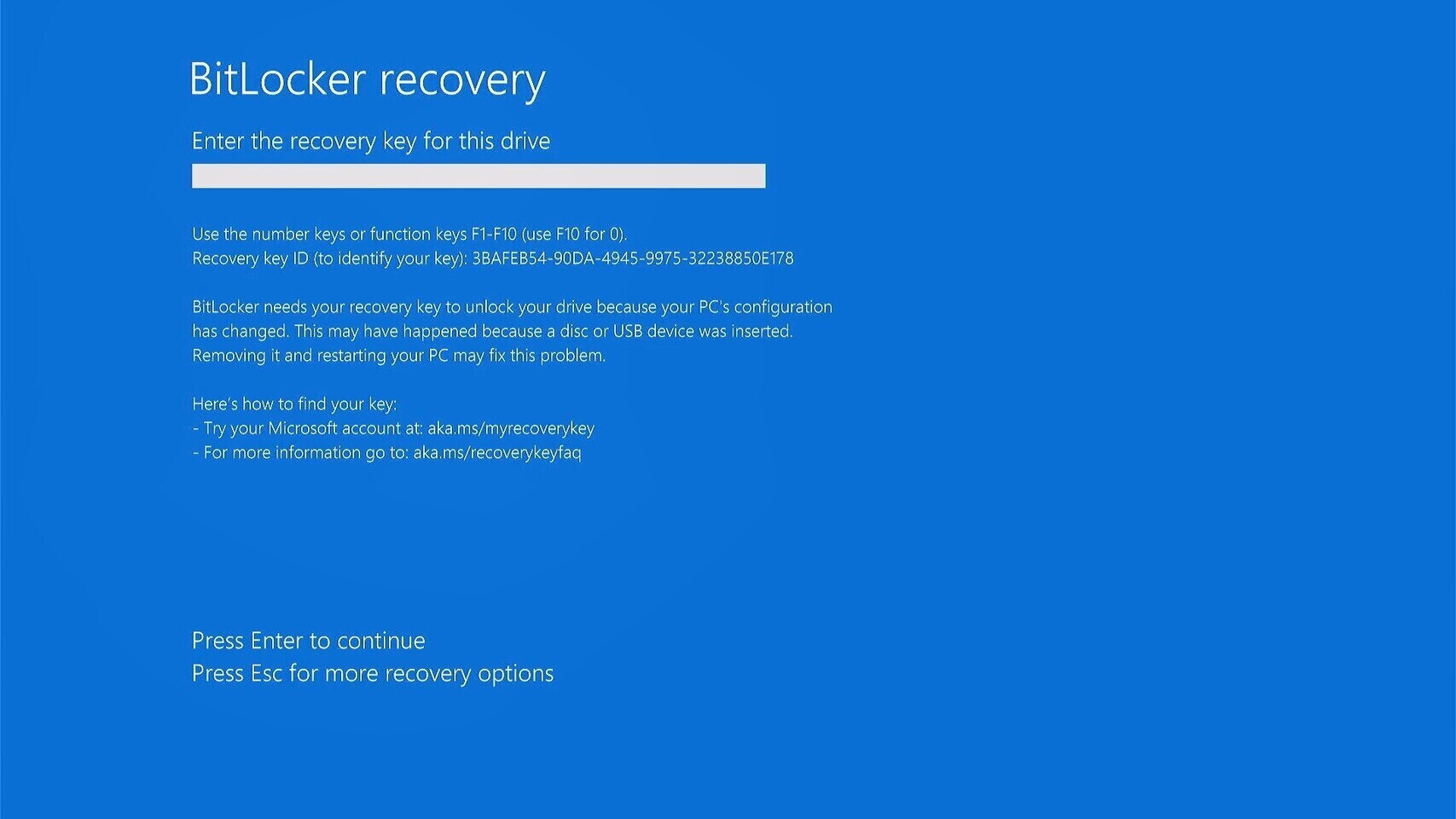
For those running Windows 11 on supported hardware, enabling Secure Boot and TPM 2.0 is straightforward. The process involves BIOS/UEFI settings adjustments and, in some cases, a Windows update to activate TPM. Linux users will need to rely on third-party tools like Proton or cloud-based solutions, neither of which are ideal for competitive play.
Looking Ahead
The launch of *Highguard* underscores a growing trend in AAA gaming: anti-cheat systems increasingly rely on hardware-backed security features. While this may reduce fraud in online multiplayer, it also fragments the player base. Admins should prepare for potential policy updates to accommodate gaming workloads, balancing security with accessibility.
As for Linux users, the message is clear: *Highguard* is not a priority for cross-platform support. Whether this exclusion will impact the title’s long-term success remains to be seen—but for now, the game’s technical demands are a stark reminder of how anti-cheat evolution can outpace compatibility standards.