PC building has always been a balancing act between performance, cost, and compatibility. But today, that balance is tilting in ways that even seasoned builders are finding hard to keep up with.
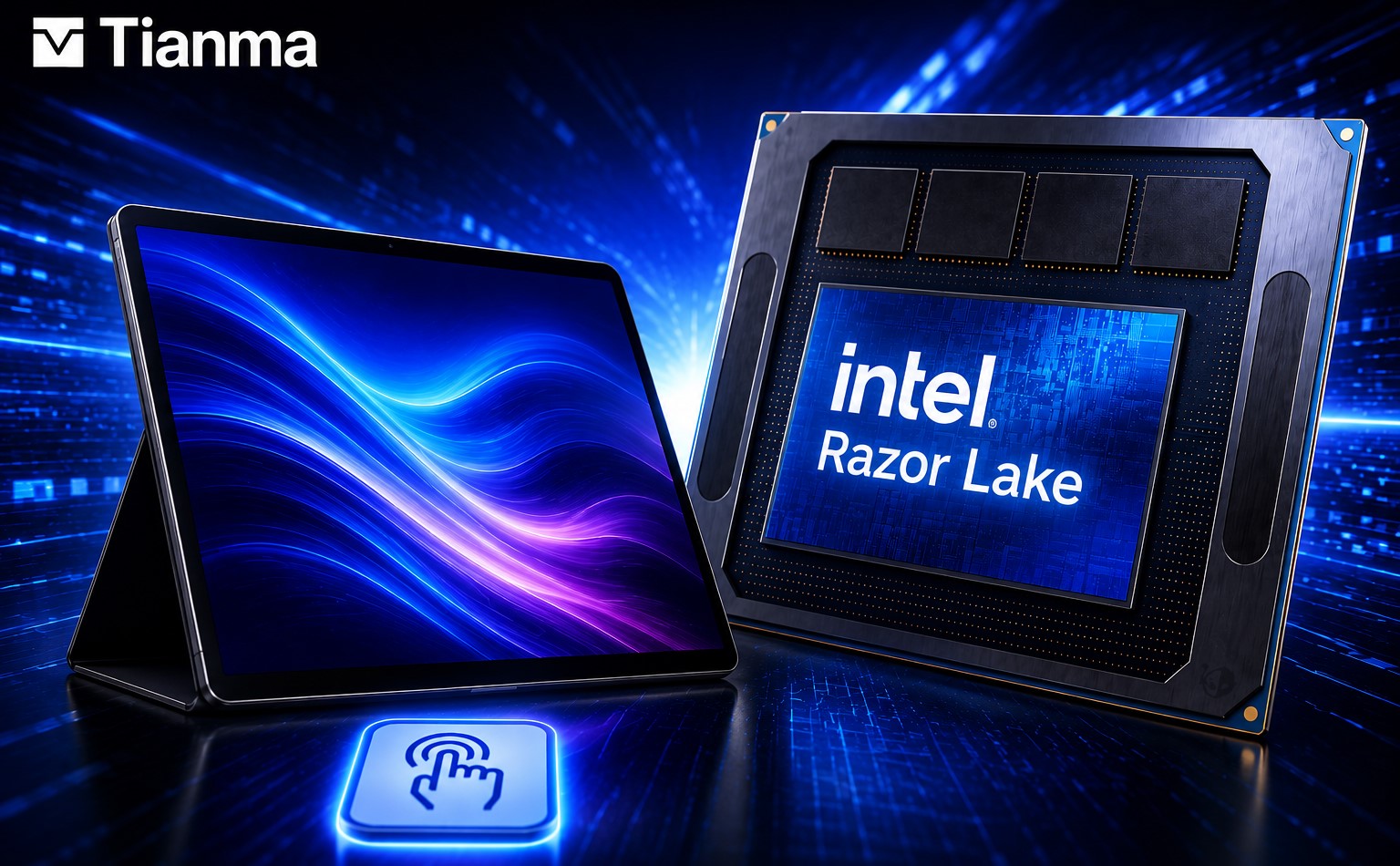
At the heart of this shift is the introduction of new hardware architectures that demand more careful consideration during system design. The latest generation of processors and GPUs, for example, no longer fit neatly into the slots and sockets of previous generations. This means that components once considered interchangeable—like memory modules or cooling solutions—now require a closer look to ensure they align with the new requirements.
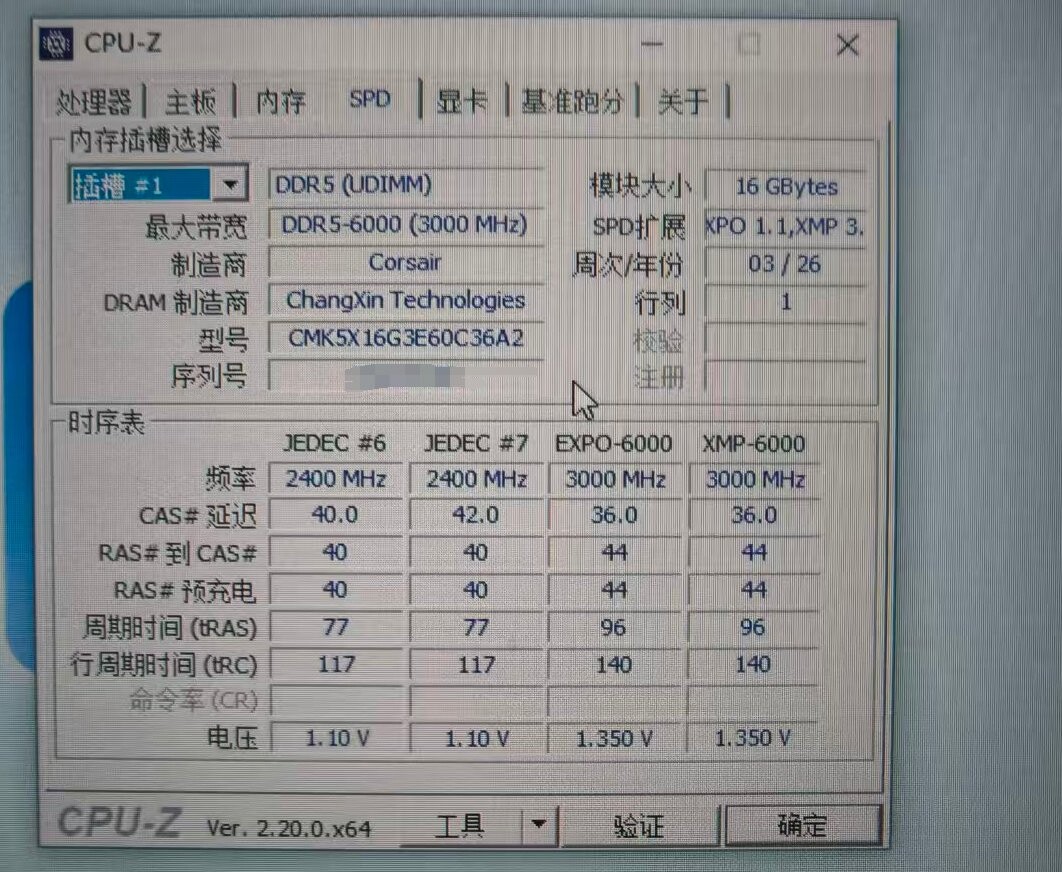
For enthusiasts, this is where the challenge—and the excitement—lies. The ability to mix and match hardware has always been a hallmark of PC building, but now it requires a deeper understanding of how each component interacts with the others. Take memory, for instance: while DDR4 remains the standard for many systems, some newer processors are pushing the boundaries with support for DDR5. This isn't just about speed; it's about ensuring that the memory you choose is compatible with the rest of your system, from the motherboard to the power supply.
A Split in the Road
This shift isn't just a technical hurdle; it's also reshaping how users approach PC building. For those who are new to the process, the complexity can feel overwhelming. The days of plugging in components without much thought are fading. Today, even everyday users need to consider whether their system is built for specific workloads—whether it's gaming, content creation, or general productivity—and how future-proofing plays into that decision.
- For enthusiasts: New architectures demand precision in component selection, but the flexibility remains a key draw.
- For everyday users: Compatibility and long-term usability are now front and center, with less room for trial-and-error.
The Future of Compute
Looking ahead, the trend toward more specialized hardware is likely to continue. This means that PC builders will need to adapt, whether by diving deeper into compatibility details or by relying on more integrated solutions that simplify the process. For now, the chaos is real—but it's also an opportunity for those willing to navigate it.
The confirmed changes are clear: new hardware requires new approaches. What remains unconfirmed is how quickly the industry will standardize around these shifts and whether they'll ultimately lead to more complexity or more seamless integration. One thing is certain, though: the days of one-size-fits-all PC building are over.