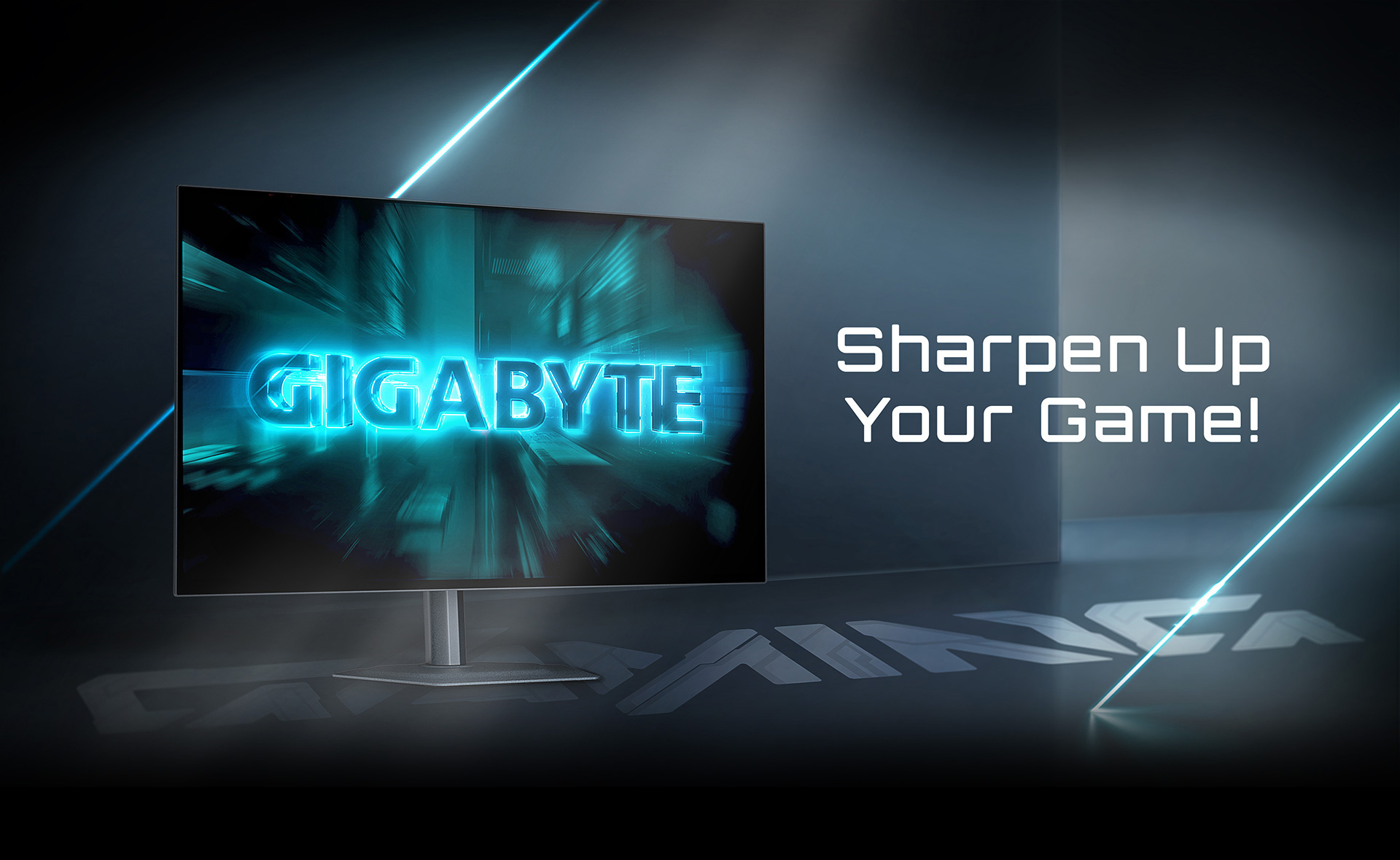
Gaming monitors have long been a battleground of price versus performance, but a recent entry is reshaping that dynamic. The new GIGABYTE GO27Q24G monitor arrives with WOLED technology—traditionally reserved for premium screens—at a price point that undercuts many competitive LCD displays. This shift introduces a level of brightness and response previously inaccessible to budget-conscious buyers, forcing developers and enthusiasts to reconsider what they expect from a sub-$400 gaming display.
The monitor’s 27-inch diagonal delivers 1300 nits of peak brightness, a figure that rivals high-end OLED screens while maintaining a 0.03 ms gray-to-gray response time. These specifications are not just numbers on a spec sheet; they translate to crisper visuals in fast-paced games and better visibility in brightly lit environments. For developers, this means smoother workflows during late-night coding sessions or live-streaming setups where ambient light can wash out traditional LCD panels.
Breaking the Brightness Barrier
The GO27Q24G’s WOLED panel is a notable departure from GIGABYTE’s previous offerings, which relied on VA or IPS technologies. WOLED provides deeper blacks and more vibrant colors compared to traditional LCD backlights, but its adoption in budget segments has been limited until now. The 1300-nit peak brightness ensures that highlights in games like competitive shooters or racing titles remain sharp without the need for dimming room lights—a practical advantage for users who prioritize immersion over raw power.
Who Benefits?
For enthusiasts and content creators, the GO27Q24G offers a compelling alternative to mid-range LCD monitors. The 0.03 ms response time is particularly noteworthy, as it reduces motion blur in fast-moving scenes, making it ideal for esports or high-refresh-rate gaming setups. However, the monitor’s 1920×1080 resolution and lack of adaptive sync features (like G-Sync or FreeSync) may limit its appeal to those seeking 4K resolution or advanced synchronization for high-end GPUs.
Developers working in visually intensive environments will find the WOLED panel a significant upgrade, especially when paired with applications that demand accurate color representation. The monitor’s $399 price tag positions it as a cost-effective solution for those who no longer see WOLED as an exclusive luxury, but rather as a viable standard for performance-driven displays.
The GO27Q24G doesn’t just push boundaries in brightness and response; it signals a broader trend where high-end display technologies trickle down into more accessible price ranges. For buyers, the key takeaway is clear: WOLED is no longer an option reserved for those willing to pay a premium, but a feature that can now be integrated into everyday setups without sacrificing performance.