The next iPhone is shaping up to be not just a device, but an economic event—one that could leave millions of potential buyers on the sidelines. The root cause lies in two unrelated but increasingly intertwined challenges: a global DRAM shortage that’s tightening supply chains and Apple’s exclusive deal with Samsung for OLED displays, which locks in high costs per unit.
Neither factor alone is unprecedented, but together they create a scenario where the iPhone 20 may not just be more powerful—it could be markedly more expensive. Industry estimates suggest that DRAM prices have already climbed by as much as 30% over the past year, with no immediate relief in sight. Meanwhile, Apple’s exclusive OLED partnership, which has been a cornerstone of iPhone design since 2017, means every screen comes at a premium, and that premium is now being compounded by supply constraints.
For IT teams responsible for fleet procurement, the implications are immediate: budget forecasts may need to account for a price hike that could approach or exceed $1,500 per device. The question isn’t whether Apple will raise prices—it’s how aggressively, and when buyers can expect any adjustments.
Why DRAM is becoming the silent bottleneck
DRAM modules are the unsung heroes of modern smartphones—they store temporary data that the processor needs to operate smoothly. But unlike flash storage or even CPU cores, DRAM supply has become erratic in recent months. Major manufacturers, including Samsung and SK Hynix, have been ramping up production, but demand from gaming consoles, laptops, and now AI servers is outpacing their capacity. As a result, lead times for high-capacity modules have stretched to 16 weeks or more, and prices show no signs of stabilizing.
Apple’s iPhone designs typically use between 4GB and 8GB of LPDDR5 DRAM per device, depending on the model. With DRAM costs now averaging around $22 per gigabyte (up from $16 a year ago), that single component could add $30–$70 to the bill of materials for a mid-range iPhone 20. When multiplied across millions of units, those incremental costs can quickly become unsustainable—unless Apple absorbs them or passes them directly to consumers.
The OLED deal that locks in high costs
Apple’s long-standing exclusive with Samsung for OLED displays is a double-edged sword. On one hand, it guarantees consistent quality and performance, which has been critical for features like Always-On Display and ProMotion. On the other, it means Apple has no leverage to negotiate lower prices during periods of supply tightness—unlike competitors who can switch between panel suppliers or even use LCD in some models.
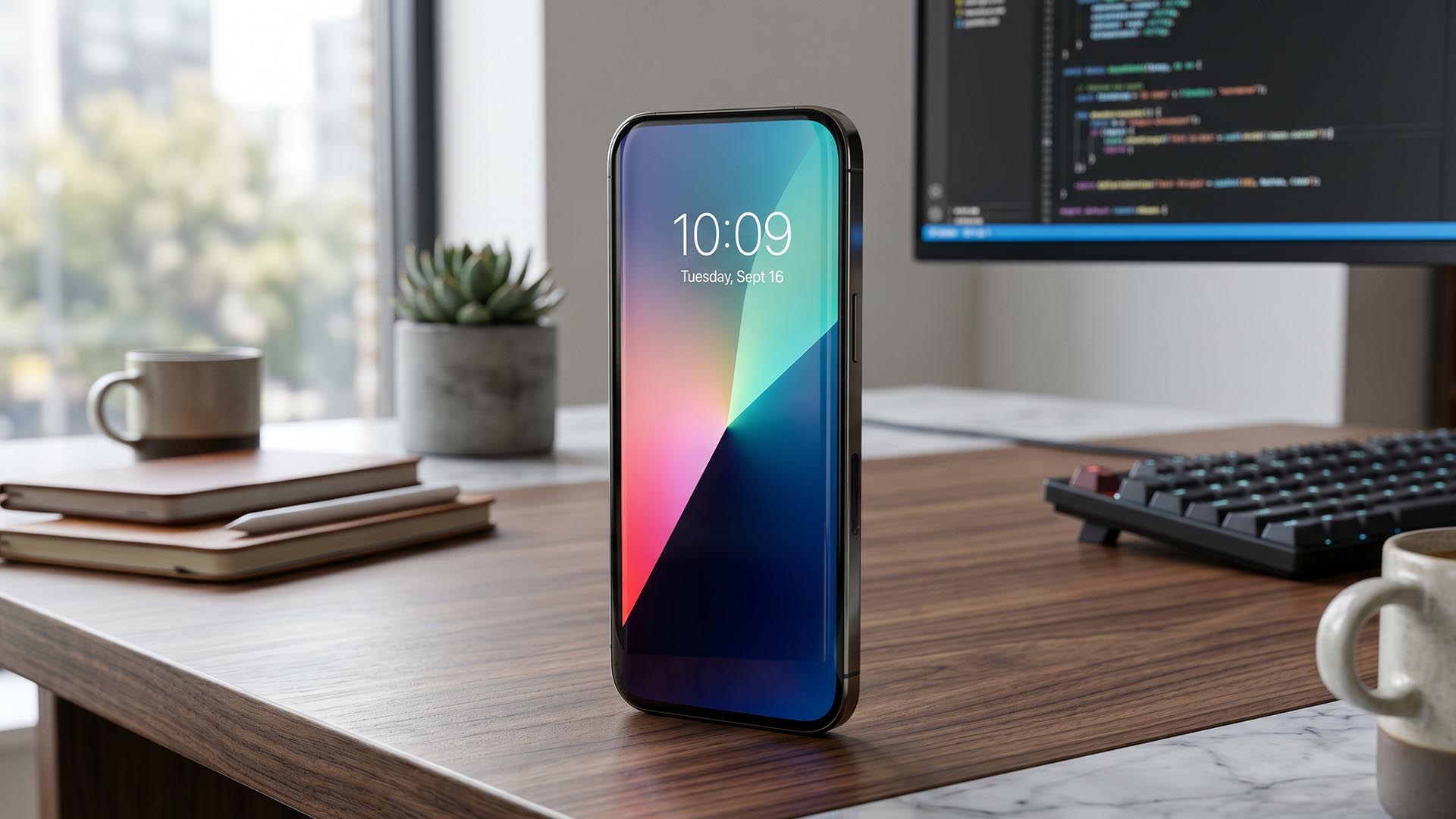
Samsung’s OLED fabs are operating at near-full capacity, but the iPhone 20 is expected to introduce new display features that require even more advanced manufacturing processes. These include higher pixel densities, potentially wider color gamuts, and possibly always-on capabilities that draw significant power. Each of these adds complexity—and cost—to the panel, further squeezing Apple’s margins.
Industry sources suggest that Samsung has already begun charging premium prices for the most advanced OLED panels, and Apple is likely one of its largest customers. If those costs filter down to the iPhone 20, the base model could see a price increase of $150–$300 over the iPhone 14, with Pro models potentially exceeding $1,500.
What this means for buyers and IT teams
For consumers, the impact is straightforward: the iPhone 20 may not just be a step forward in performance—it could be a leap into luxury pricing territory. For IT departments managing device fleets, the challenge is more immediate. If Apple follows through with aggressive price hikes, procurement teams will need to decide whether to absorb the cost, delay upgrades, or explore alternative devices that offer similar performance at lower prices.
One potential silver lining is that DRAM shortages are expected to ease by late 2024, assuming no new disruptions in Taiwan’s semiconductor industry. However, OLED supply remains tightly coupled with Apple’s roadmap, and there’s no indication that Samsung will loosen its exclusivity deal anytime soon. Until then, the iPhone 20’s true cost may remain a moving target—one that IT teams must navigate carefully to avoid budget overruns.
The bottom line is clear: this generation of iPhones is being built in an environment where supply constraints and long-term partnerships are colliding. Whether that collision results in a premium product or a price barrier depends on how Apple balances its engineering priorities against market demand—something that won’t be fully clear until the devices hit shelves.