Performance gains in chip design often come with a cost—more power consumption, larger die sizes, or both. But a new architecture approach called APX aims to break that cycle by delivering measurable improvements without the usual tradeoffs.
APX is being developed jointly by Intel and AMD, representing one of the most significant collaborations in x86 history. The goal? To squeeze more performance out of existing silicon real estate while keeping power draw in check—a critical factor for both data centers and mobile devices where battery life is paramount.
Why APX Matters
The x86 architecture has been the backbone of computing for decades, but it’s not without its limitations. As demand for faster, more efficient processors grows, so does the pressure to innovate without sacrificing power efficiency or die area. APX addresses this by introducing a new way to optimize performance at the microarchitecture level.
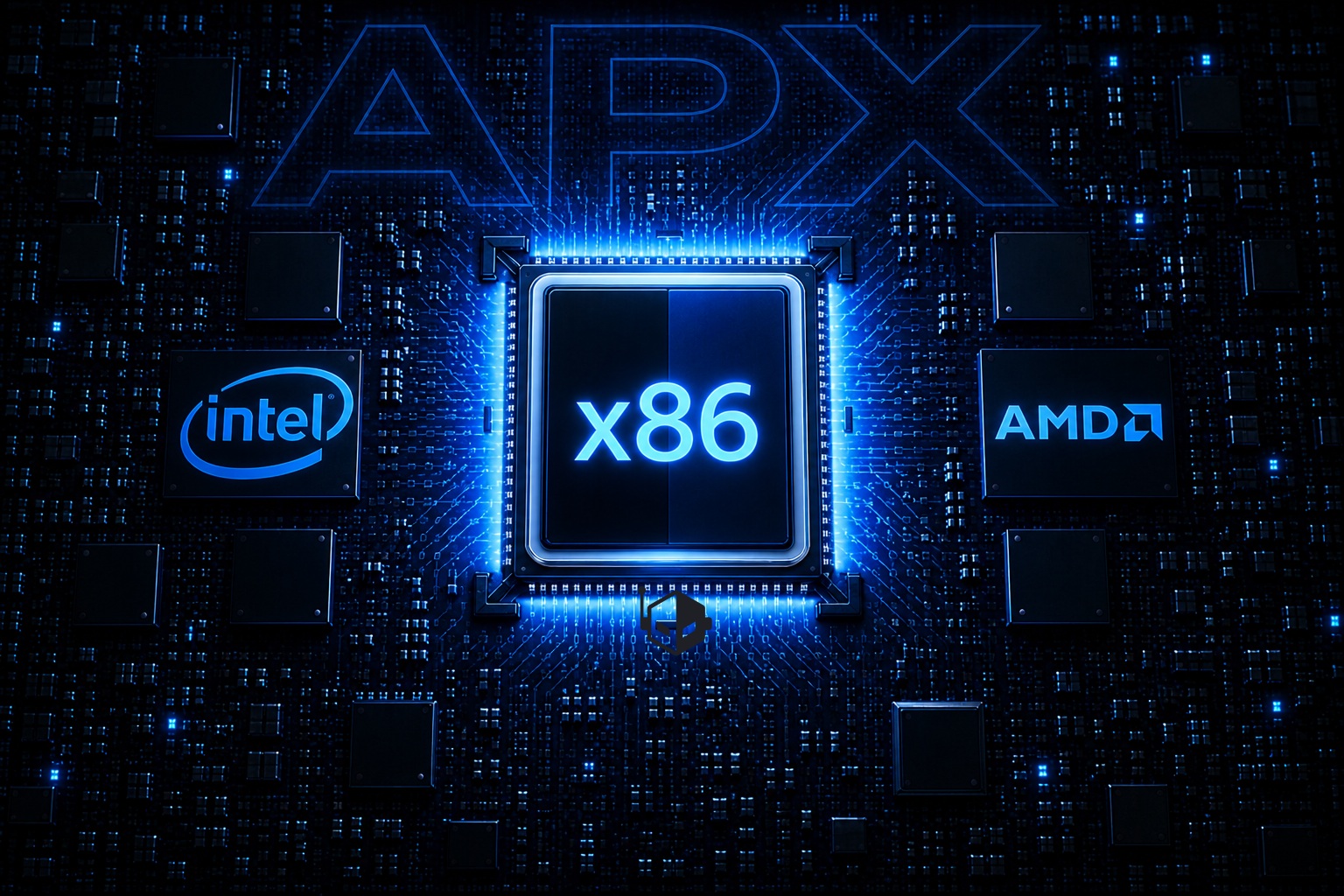
Current x86 designs rely on techniques like out-of-order execution and speculative execution to boost speed. APX takes this further by refining how instructions are processed, reducing bottlenecks without requiring additional transistors or power. Early indications suggest it could lead to a noticeable uplift in performance—potentially in the double digits—while maintaining or even improving efficiency.
What’s Next?
The exact details of APX remain under wraps, but industry observers expect it to become a standard feature in future x86 processors. If successful, this could shift the landscape for both enterprise and consumer hardware, offering faster processing without the usual compromises. Whether it will live up to its potential remains to be seen, but one thing is clear: the stakes are high.