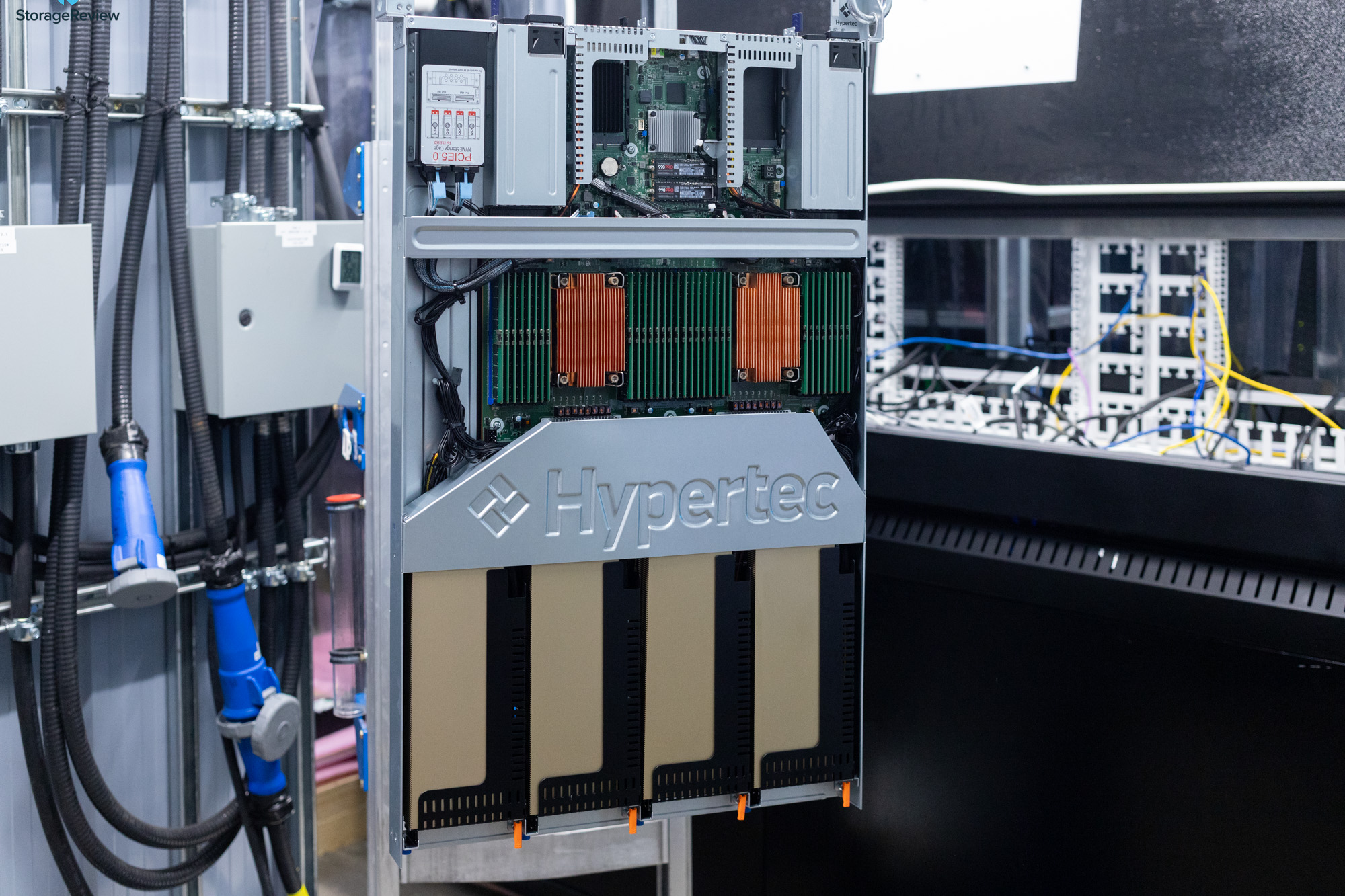
The H200 is not just another leap forward for NVIDIA; it’s a rethinking of how GPUs handle memory, power, and compute for AI workloads.
At its core, the H200 introduces a 1.5x improvement in performance per watt over its predecessor, the A100. This isn’t just about raw speed—it’s about efficiency at scale. The GPU’s 80GB of HBM3e memory, paired with a new memory controller design, allows it to process larger datasets without the usual trade-offs between bandwidth and power consumption.
For enterprise buyers, this means a GPU that can sustain high throughput in data centers while staying within tight power budgets. The H200’s architecture suggests a path forward for AI systems that need both performance and sustainability—two often conflicting goals in modern computing.
The shift to HBM3e isn’t just about capacity; it’s about how memory is distributed across the GPU. Unlike previous generations, the H200 uses a more balanced approach, reducing bottlenecks between compute units and memory. This change could redefine how AI frameworks are optimized for GPUs, potentially leading to broader adoption of mixed-precision workloads without sacrificing accuracy.
For now, the H200 remains NVIDIA’s flagship GPU for AI, but its architecture hints at what’s next: a future where memory efficiency is as critical as raw compute power. Enterprise buyers should watch how this design evolves—it could set the standard for the next generation of AI hardware.