Computing efficiency has always been a balancing act—more speed often means higher power draw, larger footprints, or prohibitive costs. But the launch of Saros introduces a fundamental shift: a platform that delivers substantial performance gains while addressing these trade-offs head-on. Unlike traditional high-performance systems that chase raw metrics at any cost, Saros redefines the equation by optimizing traversal efficiency, memory bandwidth, and clock speeds in a way that benefits both workloads and power consumption.
Today’s iteration of Saros focuses on three key innovations that could reshape how organizations approach data processing and rendering. It eliminates the inefficiencies that have plagued previous generations, offering a more sustainable path to performance without the usual compromises.

- Traversal efficiency is improved dramatically, reducing latency in high-demand applications while maintaining smooth operation even under heavy loads.
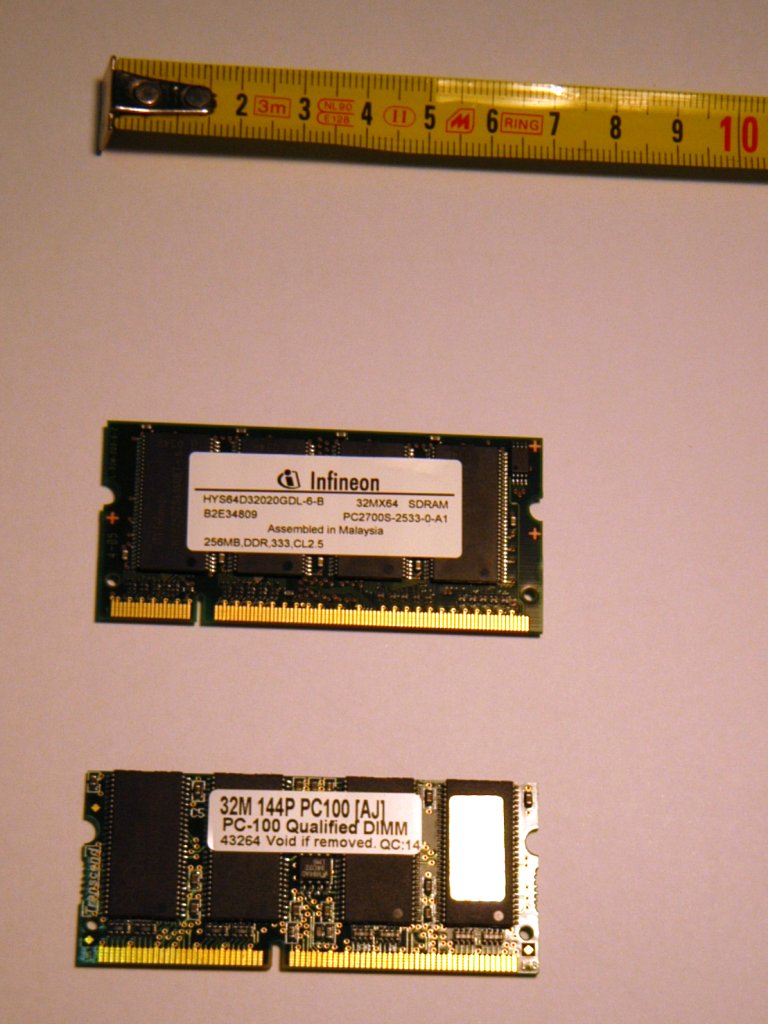
- Memory bandwidth support reaches up to 128GB of DDR5, directly tackling one of the most persistent bottlenecks in high-performance computing.
- Clock speeds are fine-tuned for power efficiency, avoiding the thermal and energy drawbacks that have limited previous advancements.
The practical impact is immediate: organizations gain more computational power without the steep price increases typically associated with performance upgrades. Saros avoids the premium pricing model, making it a viable alternative for those seeking both speed and long-term scalability. Whether in data analysis or 3D rendering, the platform delivers measurable improvements that could shift industry priorities toward efficiency-driven innovation.
This isn’t just another incremental step—it’s a rethinking of how high-performance computing should work. If the trend holds, Saros could set new benchmarks not only for speed but also for power efficiency and roadmap potential. For now, it stands as a turning point, one that IT teams will watch closely to determine whether this is the start of a lasting transformation or merely a temporary disruption.