In the sprawling universe of The Expanse, where every decision carries weight, Owlcat Studios has taken an unconventional path to finalize its latest installment, Osiris Reborn. While the studio insists that 100% of creative choices remain human-made, it acknowledges using generative AI to iterate faster—a move that could reshape expectations for AAA game development.
The revelation comes as Osiris Reborn nears completion, with Owlcat emphasizing that no player-facing content was generated by AI. Yet the admission introduces new questions: if AI can accelerate development without compromising quality, where does that leave human creativity in games? And could this be a preview of broader industry shifts?
AI as an iteration tool
Owlcat’s approach differs from recent examples where AI has been used to create entire levels or assets. Instead, the studio describes generative AI as a means to refine existing materials—suggesting variations for environments, dialogue, or even gameplay mechanics that developers can then evaluate and implement manually.
This is not the first time a major studio has experimented with AI in development pipelines. Earlier this year, other developers hinted at using similar tools to streamline asset creation, but Owlcat’s transparency about its role—rather than just its presence—stands out. The key distinction here is that AI does not replace human judgment; it augments it.
Industry implications
The potential ripple effects are significant. If studios can reliably use AI to cut development time without sacrificing narrative depth or player immersion, the pressure to deliver blockbuster titles on tight budgets could intensify. This might lead to more efficient pipelines, but it also risks homogenizing creative output if AI suggestions default to predictable patterns.
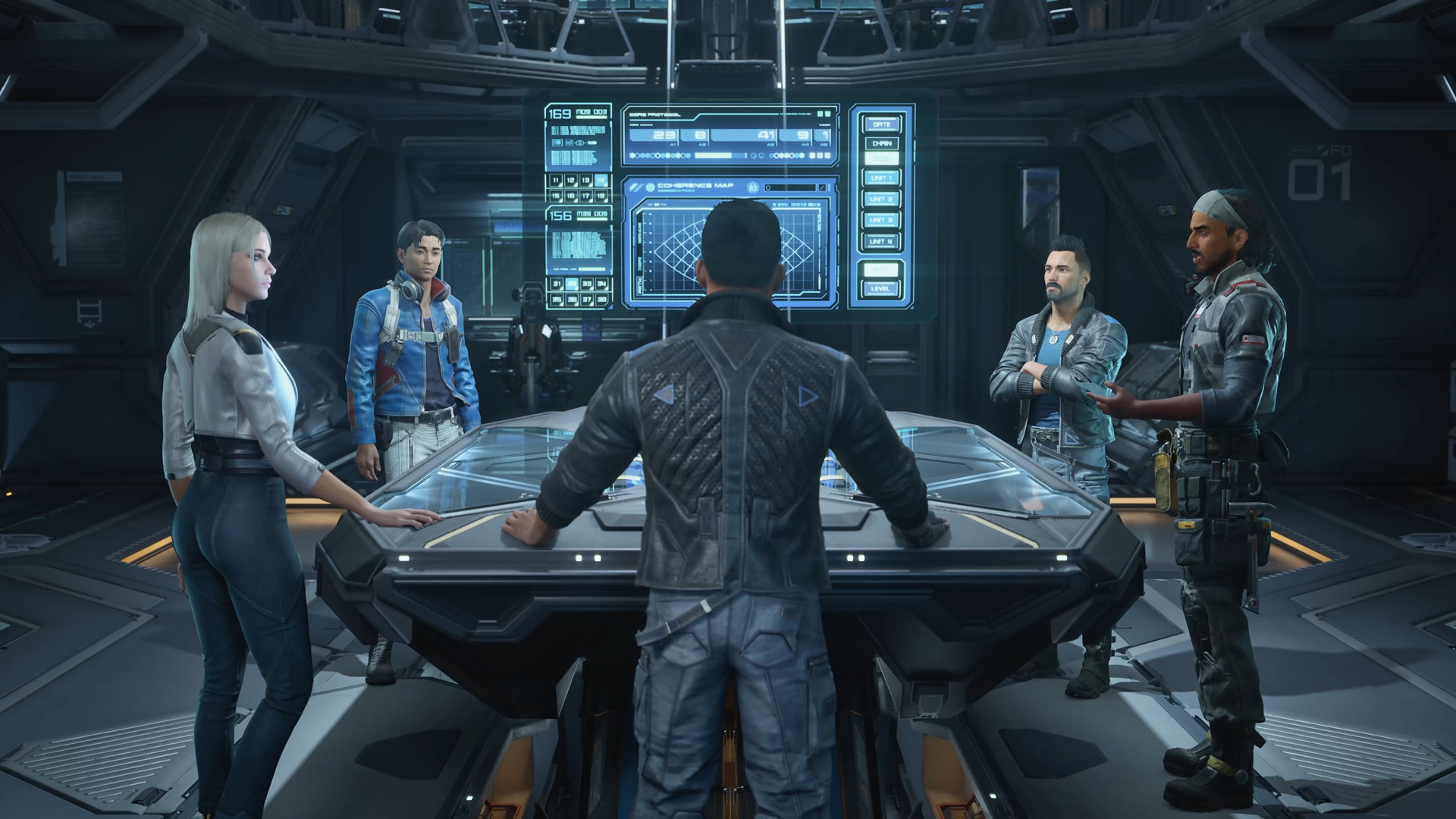
Game developers and industry analysts are split on whether this is a breakthrough or just another optimization in a long line of tools. Some argue that AI’s role as an iterative partner could democratize certain aspects of game design, allowing smaller teams to compete with larger studios. Others caution that over-reliance on AI-generated variations might dilute the unique identity of a franchise, particularly in a series like The Expanse known for its meticulous world-building.
What’s confirmed—and what isn’t
Owlcat has confirmed that no finalized content in Osiris Reborn was generated by AI. However, it remains unclear how much of the development process was influenced by AI suggestions versus traditional methods. The studio also hasn’t specified whether this approach will be extended to future projects or if it’s limited to this title.
For players, the immediate takeaway is that Osiris Reborn will arrive with the same level of human oversight as previous entries in the series. But for industry observers, the bigger story may lie in what comes next: Will other studios follow suit, and if so, how will they balance AI efficiency with creative integrity?
The final version of The Expanse: Osiris Reborn is expected later this year, pending standard release windows. Whether this experiment becomes a blueprint for the future or remains an anomaly, one thing is certain: the conversation around AI in game development has just gotten more complex.