The tradeoff is familiar by now: more compute power, but at what cost in energy and cooling? The latest generation of GPUs pushes that boundary further than ever before, offering a leap in performance-per-watt that could redefine the economics of AI workloads. Yet, the road to widespread adoption isn’t just about raw specs—it’s also about managing heat, ensuring supply stability, and navigating the shifting dynamics of the semiconductor market.
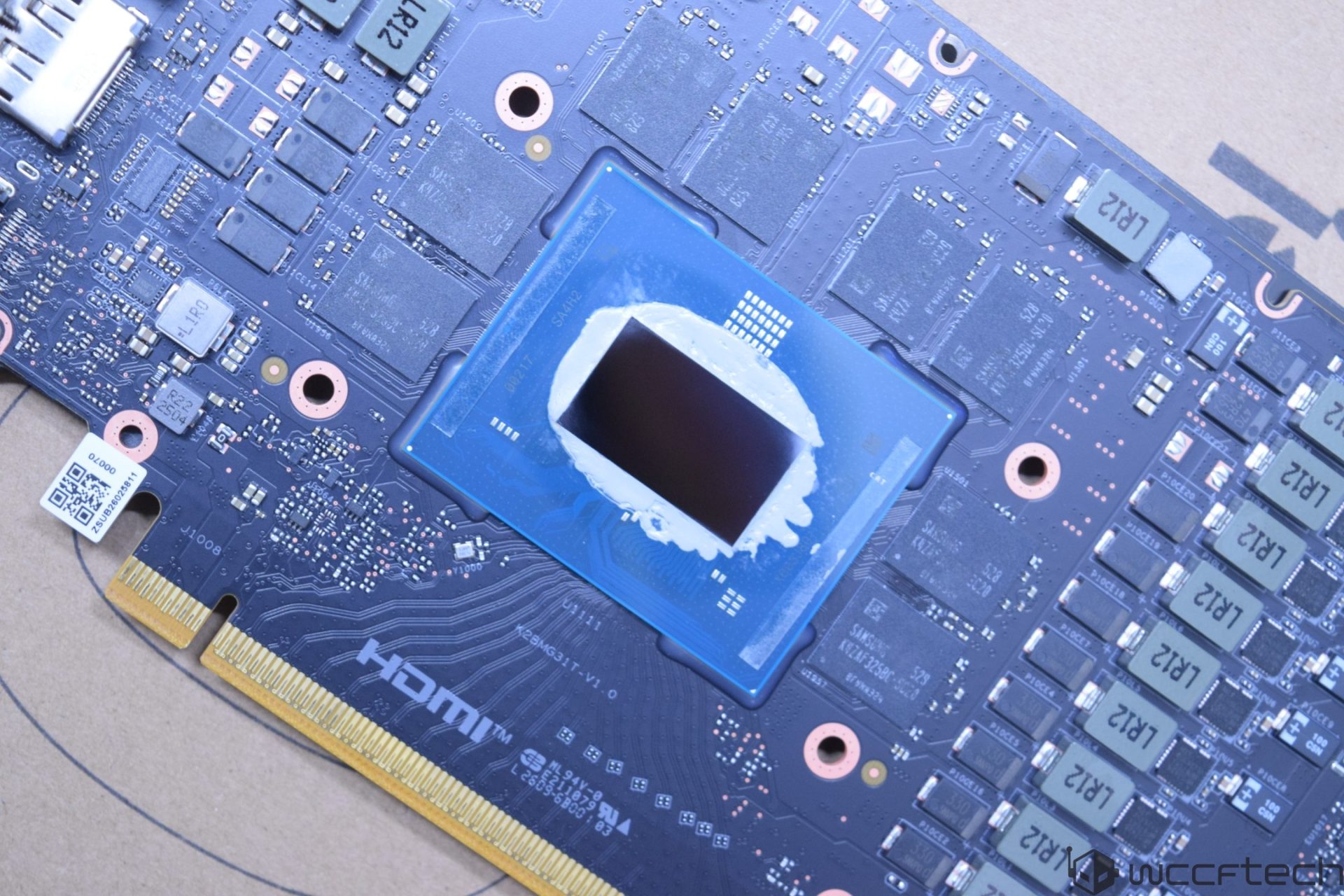
At the heart of this shift is a new GPU designed for high-density AI training clusters. It doesn’t just deliver more floating-point operations per second; it does so with significantly lower power draw, reducing cooling demands while maintaining peak efficiency even under sustained workloads. The numbers are striking: nearly 50% more performance-per-watt compared to its predecessor, paired with a thermal design that keeps junction temperatures in check during prolonged sessions.
For data center operators and AI researchers, this means tighter control over operational costs—a critical factor as cluster sizes grow and energy budgets come under scrutiny. But the gains aren’t just about cost savings; they also open doors to new workloads previously constrained by thermal or power limitations. The GPU’s memory subsystem, with its high-bandwidth architecture, allows for larger batch sizes and more complex models without choking on bandwidth.

- Key specs:
- Performance-per-watt: ~50% improvement over previous generation
- Thermal design: Optimized junction temperature management
- Memory: 24GB HBM3, 1.6 Tb/s bandwidth
- Clock speeds: Base 1.8 GHz, Boost 2.5 GHz (AI-optimized)
The implications ripple through the supply chain. Foundries are already scaling production to meet demand, but bottlenecks in advanced packaging and wafer yields could delay availability. Meanwhile, cooling solutions—from liquid immersion to AI-driven thermal management—are evolving in lockstep with the hardware. Buyers will need to weigh not just the upfront performance gains, but also long-term reliability and energy efficiency as they integrate these GPUs into existing infrastructure.
The most important change isn’t just the speed or efficiency, though. It’s the economic threshold this architecture lowers: the point at which AI training becomes viable for smaller institutions or edge deployments without requiring massive power investments. That shift could accelerate adoption far beyond traditional data centers, reshaping where and how AI models are trained.