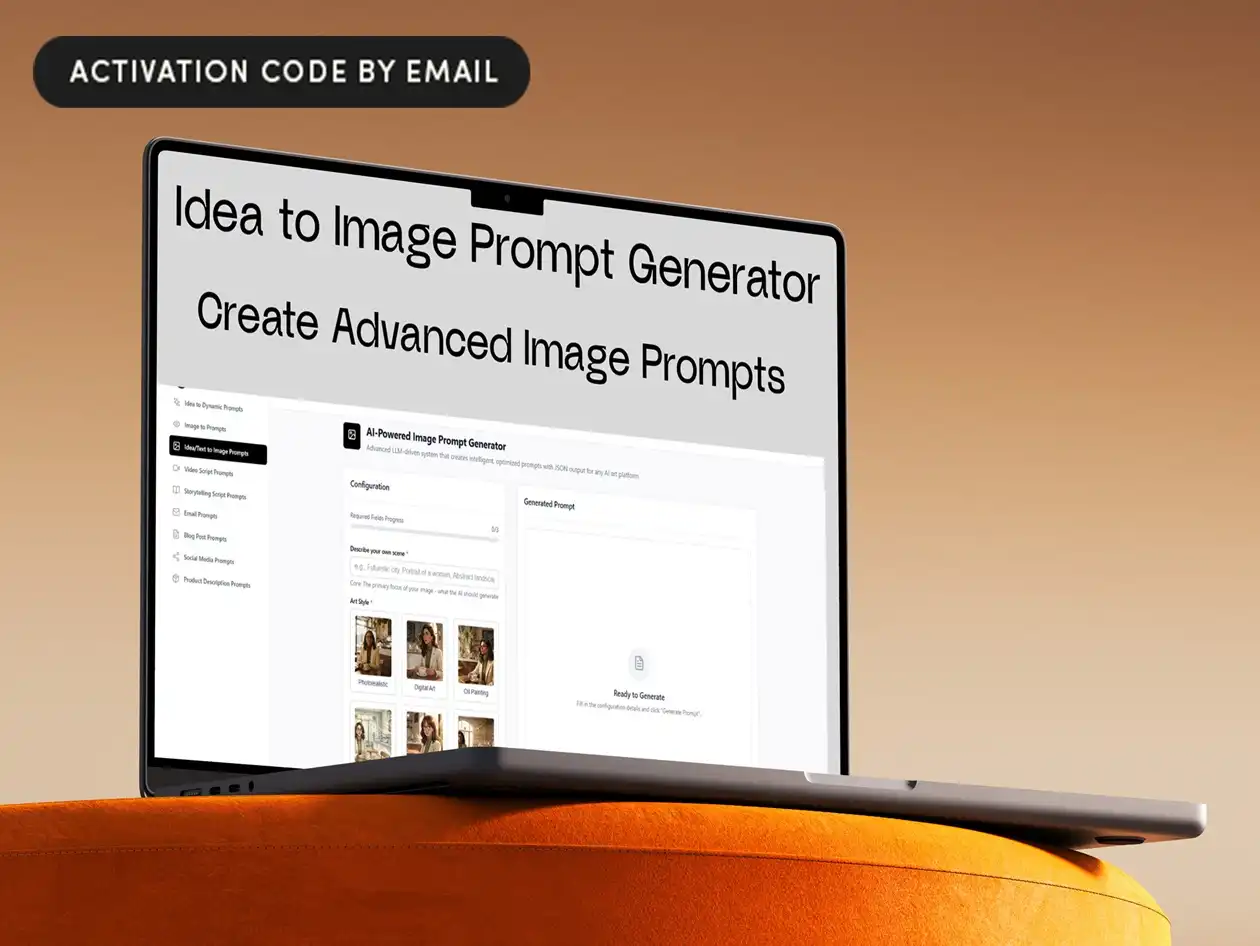
The 89% reduction in price for this AI prompt engineering tool is more than just a financial incentive—it’s a challenge to IT teams to reconsider how they approach AI development. The tool, which has long been positioned as a premium solution for refining prompts, now costs just $20 per year instead of its original $199. For smaller organizations or those without dedicated AI researchers, this could be the push they need to experiment with more sophisticated prompt design without the usual sticker shock.
Prompt engineering is no longer a niche skill; it’s become a cornerstone of effective AI deployment. Teams that master it can guide language models toward more accurate, context-aware responses by carefully structuring inputs. While some companies have built this expertise in-house, others rely on third-party tools to bridge the gap between raw model outputs and practical applications. This tool, with its automated suggestions and performance analytics, promises to accelerate that process—claiming up to a 70% reduction in the time spent fine-tuning prompts. That’s a compelling proposition for teams already stretched thin by other AI-related tasks.
How it compares
The tool isn’t operating in a vacuum. Competitors, some of which are free or open-source, offer similar functionalities, often with strong community support. For organizations that prioritize transparency and control over convenience, these alternatives may still be the better choice. The question then becomes: does this discounted tool justify its cost when compared to those options? The answer depends on what teams value most—speed, integration, or long-term flexibility.

Looking ahead
The discount is undeniably attractive, but its real impact will be measured in how it fits into broader AI strategies. For teams already deep into model fine-tuning, the savings might feel minor next to the larger expenses of training and scaling models. However, for those just beginning to explore AI applications, this could be an opportunity to test advanced prompt engineering without significant upfront investment.
Will it change the game?
The tool’s long-term value will hinge on its ability to keep pace with rapid advancements in AI development. If it becomes outdated quickly or fails to adapt to new language model architectures, teams may find themselves stuck between a good deal and a solution that no longer meets their needs. For now, the discount is a tactical move—a way to lower the barrier to entry—but whether it translates into lasting utility remains an open question.
For organizations that prioritize speed and simplicity, this tool could be a worthwhile shortcut. But for those with the resources or ambition to build internal expertise, even the steepest discount may not offer enough incentive to switch. The discount itself is just one piece of the puzzle; its true test will be how it performs in real-world AI workflows over time.