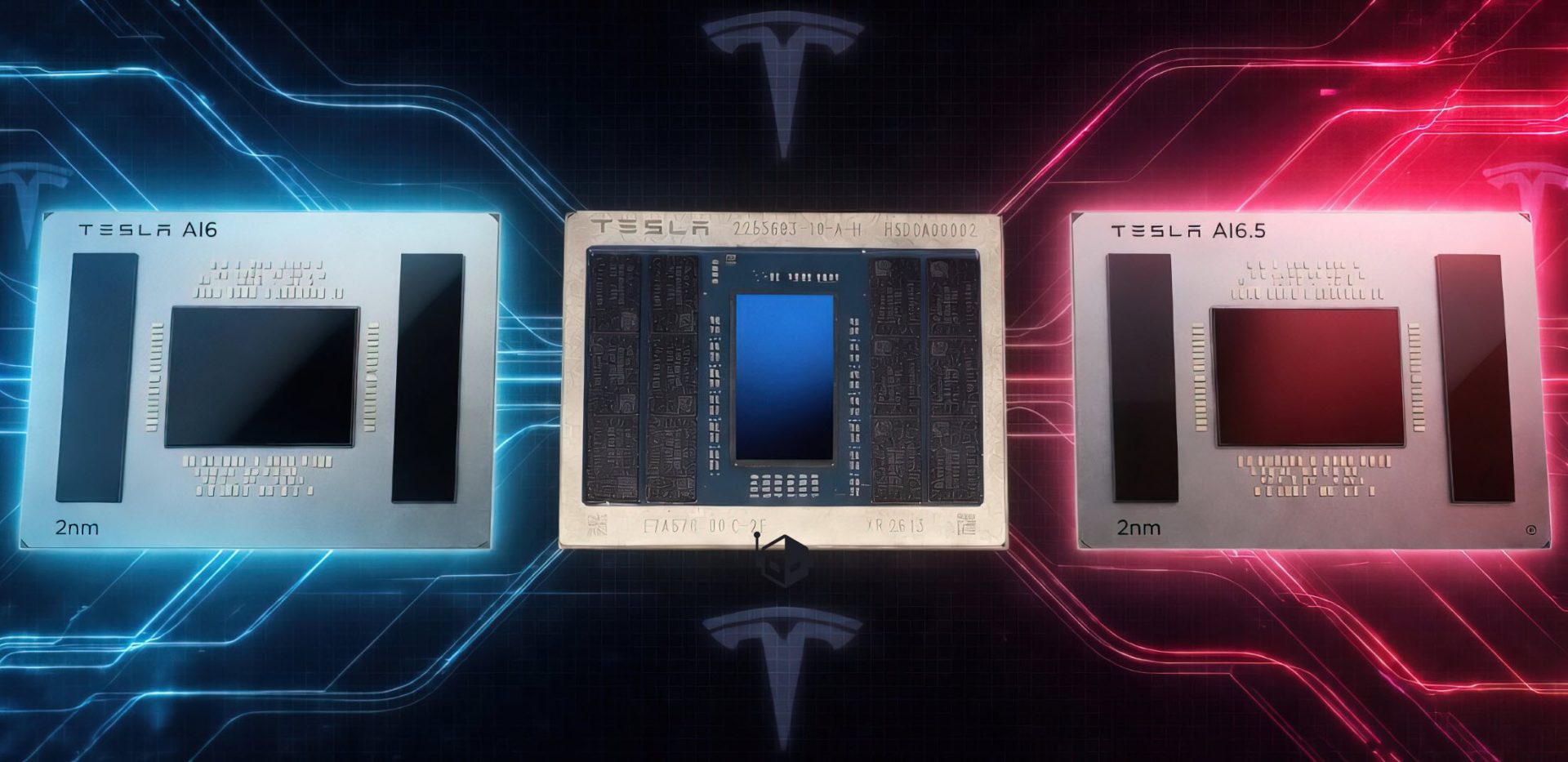
Semiconductor manufacturing has always been about scaling down, but TeraFab is proposing a leap that could redefine the boundaries of what’s physically and economically feasible. With a target of 10,000 wafers processed weekly—more than double today’s most advanced foundries—TeraFab isn’t just about increasing volume. It’s about integrating thermal management into the fabrication process itself, aiming to slash energy consumption while maintaining high throughput. The implications for data centers and AI workloads are significant, as cooling has become a critical bottleneck in next-generation hardware.
Current leading-edge foundries, even at 3-nanometer nodes, typically handle around 25,000 to 30,000 wafers annually. TeraFab’s approach, however, goes further by embedding advanced cooling systems directly into the manufacturing pipeline. This could unlock substantial efficiency gains, but it also introduces a fundamental challenge: if the fab itself becomes part of the thermal solution, how does this affect compatibility with existing infrastructure? Data centers and server designs are optimized for specific thermal profiles, and a chip built for TeraFab’s architecture might not integrate smoothly into current setups.
Thermal Management as a Core Manufacturing Challenge
The initiative’s focus on performance-per-watt is more than just about chip design. By addressing thermal constraints at the manufacturing level, TeraFab aims to push the limits of energy efficiency. However, this shift introduces complexity that could complicate deployment. If the technology doesn’t align with evolving cooling standards, it risks creating a siloed solution that benefits only early adopters while leaving others stranded.
Administration and Deployment: A New Level of Complexity
For system administrators and deployment teams, TeraFab represents more than just a hardware upgrade—it’s a potential overhaul of how chips are managed. If successful, it will require new software stacks, thermal modeling tools, and possibly custom firmware to optimize performance. This isn’t about plugging in a new CPU; it’s about redefining the relationship between chips and their environment.

Additionally, the long-term roadmap remains uncertain. While TeraFab targets 2025, the semiconductor industry operates on a fast-moving cadence influenced by market demands and technological breakthroughs. If the project faces delays or pivots, early adopters could be left with cutting-edge but potentially obsolete hardware.
Platform Lock-In: A Strategic Gamble
The most immediate concern isn’t technical performance—it’s strategic viability. TeraFab’s scale suggests a high degree of platform lock-in, where chips designed for this architecture may not be interchangeable with existing systems or future standards. This could create a divide between early adopters and those who wait, potentially leaving the latter behind if the technology doesn’t mature as expected.
Enterprises face a tough choice: bet on TeraFab’s potential to redefine efficiency or stick with proven alternatives. The stakes are high—both in performance gains and long-term compatibility. If TeraFab delivers, it could set a new benchmark for energy-efficient computing. But if it stumbles, it may become just another experiment in an industry that rewards caution over bold bets.
The Future: A Cautious Industry at the Crossroads
The semiconductor landscape is evolving rapidly, but TeraFab’s potential to reshape this evolution depends on more than technical feasibility. It requires a shift in how chips are designed, manufactured, and deployed—a shift that few initiatives have successfully executed before.
For now, the industry watches, waits, and weighs the risks. The promise of unprecedented performance-per-watt is compelling, but so too is the reality of platform lock-in and unproven scalability. Whether TeraFab will be remembered as a catalyst for change or a cautionary tale remains to be seen. One thing is certain: in an industry built on innovation, the line between visionary and speculative is thinner than ever.