Microsoft’s Surface Laptop Ultra isn’t just another incremental update—it signals a deliberate departure from the company’s usual approach to Windows hardware. While previous models leaned into speed and visual polish, this version prioritizes efficiency, reducing background noise in both performance and user interaction. The result is a device that feels more purposeful, even if it sacrifices some flexibility for a cleaner experience.
The hardware specifications follow a familiar pattern: an 11th Gen Intel Core i7 processor, 8 GB of LPDDR4x RAM, and up to 512 GB of PCIe NVMe SSD storage. Yet, the true innovation lies in how Windows operates on this platform. By default, it runs Windows 10 Home in S mode, a constrained version that restricts app installations to those available through the Microsoft Store unless users explicitly opt out. This approach ensures faster performance and stronger security but may limit advanced functionality for power users.
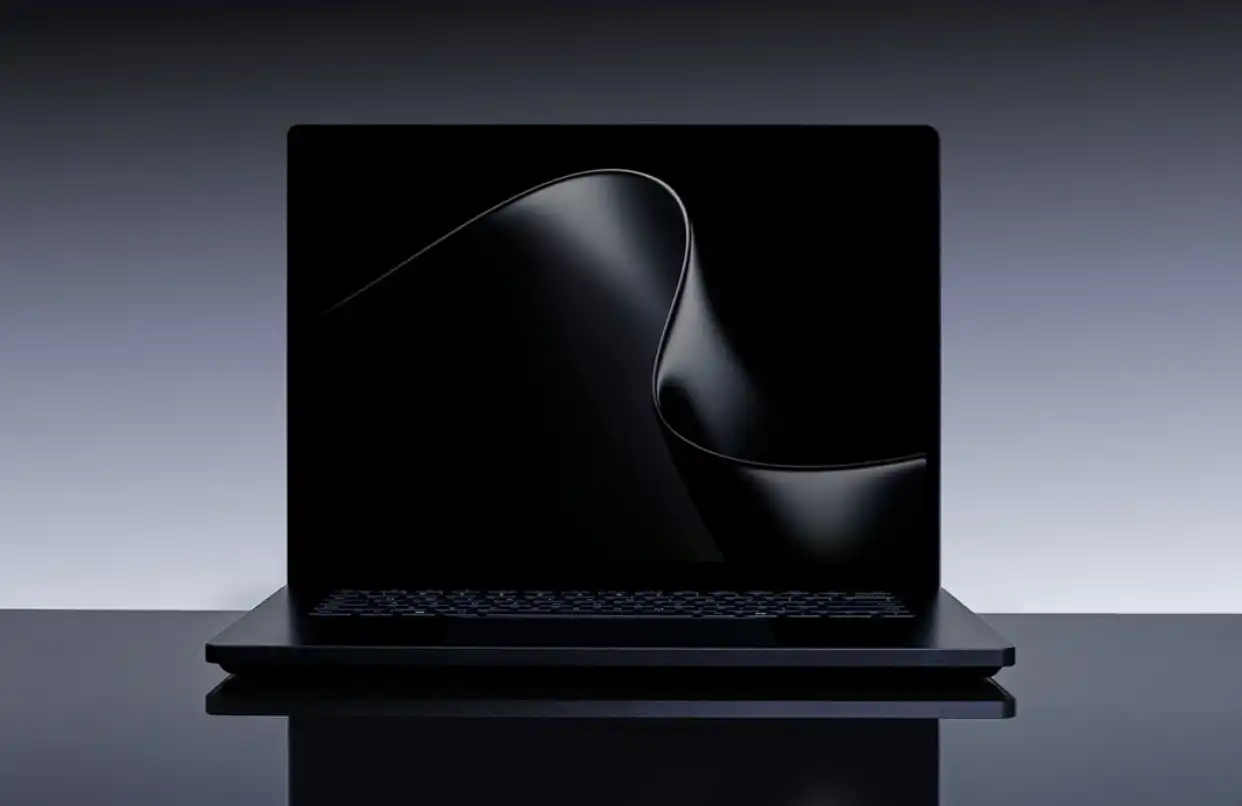
Beneath the surface, Microsoft has made systemic adjustments to minimize auditory and visual clutter. System notifications are less intrusive, and animations—once a hallmark of fluidity in Windows—now appear more deliberate. The goal isn’t just speed; it’s a reimagined workflow where efficiency becomes the default rather than an afterthought.
For users who rely on advanced Windows features like Task Manager or deep system diagnostics, this model could feel unnecessarily restricted. However, for those in work, study, or light creative tasks, the Surface Laptop Ultra delivers exactly what it promises: a quieter, more focused computing experience. This aligns with broader industry trends where efficiency and user experience are gaining prominence over raw performance metrics.
The question remains whether this shift will resonate beyond its core audience. Microsoft has historically balanced innovation with accessibility, and the Surface Laptop Ultra suggests a move toward subtlety—one that may not appeal to all but could redefine expectations for productivity-focused devices. If successful, it could set a new benchmark for how Windows hardware should prioritize user experience over sheer capability.