The NAND flash market is no longer just about raw capacity—it’s about survival in an AI-dominated landscape. The latest revenue surge, up 23.8% in the final quarter, reveals a stark reality: prices are climbing toward 90% increases by early next year, while supply chains tighten around high-density QLC SSDs. For smaller businesses already navigating shortages, this means a double-edged sword—higher costs and fewer options tailored to their needs.
At the heart of this transformation are enterprise-grade storage solutions, where 122 TB and 245 TB QLC SSDs have become the standard for AI workloads. These drives, built for bandwidth-intensive tasks, are pulling supply away from consumer markets, leaving smaller data centers with limited alternatives. The result? A market increasingly optimized for generative AI but less accommodating for businesses not yet locked into those demands.
The New Market Dynamics
- Samsung: Despite leading the pack with $6.6 billion in revenue, its market share has dipped to 28%. The company is navigating a tricky transition, balancing rising prices with declining bit shipments due to process shifts.
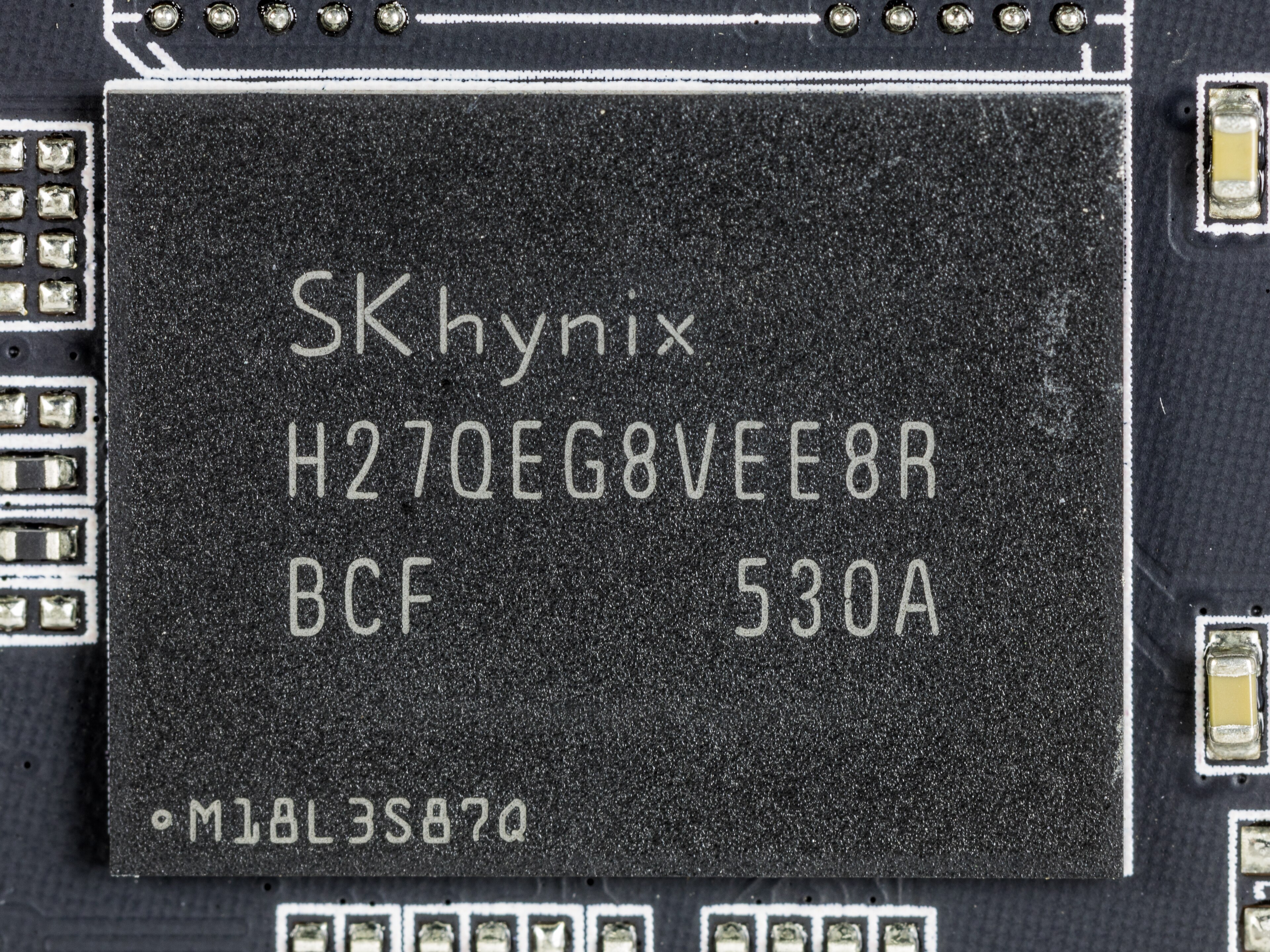
- SK Group (SK hynix and Solidigm): Emerged as the fastest-growing player, with a 47.8% quarterly revenue surge to $5.21 billion. Their focus on mobile NAND and enterprise SSDs is paying off, securing them second place in market share at 22.1%.
- Kioxia: Recorded its strongest performance yet, with $3.31 billion in revenue—a 16.5% jump—driven by AI-optimized storage solutions that are reshaping their product lineup.
- Micron: Expanded its QLC output and ramped up ninth-generation NAND production, positioning itself to dominate the high-capacity segment in 2026.
- SanDisk: Saw a 31.1% revenue increase to $3.03 billion, marking a significant pivot toward server applications—a shift that could redefine its market presence.
The implications for smaller businesses are immediate and pressing. Higher costs, longer lead times, and a market increasingly dominated by AI-optimized hardware are forcing tough choices. Suppliers are doubling down on high-density solutions, but the trade-off is clear: consumer products are getting squeezed, leaving businesses that haven’t yet adapted to AI workloads in a precarious position.
The Road Ahead
With no immediate relief on the horizon, the focus turns to 2026 and how these dynamics will unfold. Suppliers are betting big on QLC SSDs, but the question remains: who will bear the cost of this transition? For small businesses, the answer may come down to whether they can afford to adopt these high-density solutions or risk being left behind by supply constraints.
For now, the market is volatile, with prices expected to stay elevated. The crunch isn’t just about storage—it’s about who will be able to navigate it without getting lost in the shuffle. The AI storage surge has arrived, and the landscape is changing faster than ever before.