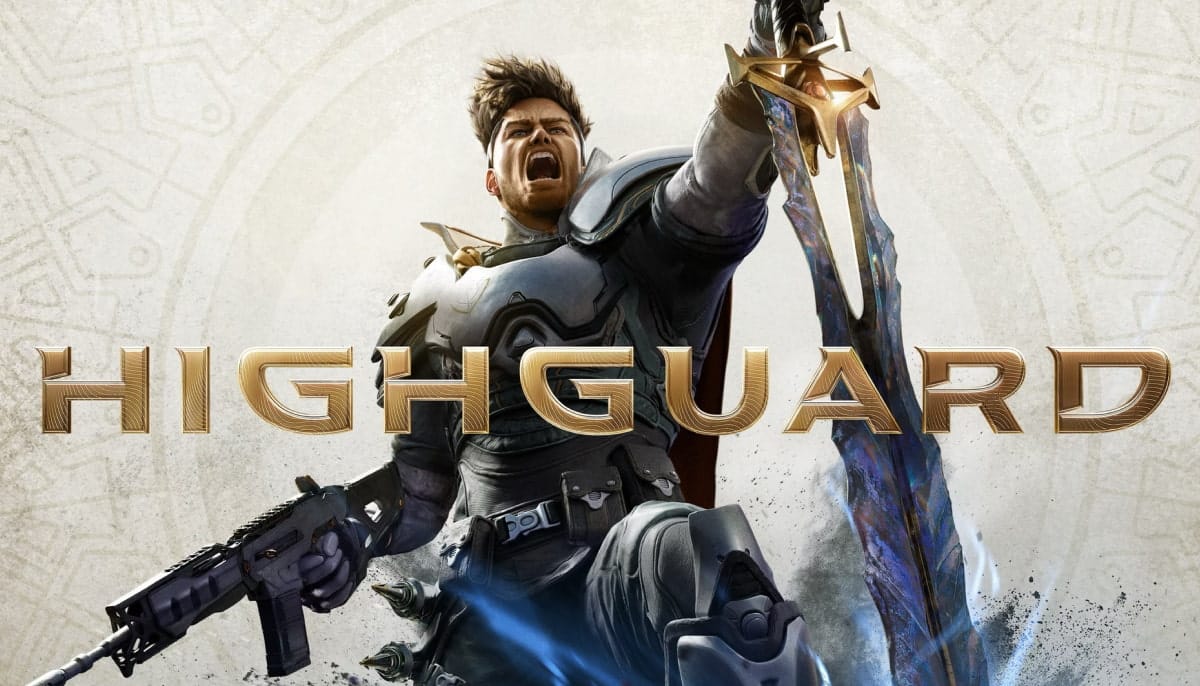
Highguard, a live-service raid shooter developed by Wildlight Entertainment, is set to shut down permanently on March 12, 2026—less than two months after its January 26 launch. The abrupt end marks another failure in the increasingly competitive live-service gaming landscape, where even experienced developers struggle to sustain player interest and financial viability.
The game’s closure was announced via its official social media channels, with Wildlight acknowledging that despite attracting over 2 million players across consoles and PC, it had failed to build a sustainable player base. The studio cited the inability to meet long-term financial expectations as the primary reason for the shutdown, leaving behind unfinished content and unfulfilled promises.
Highguard’s downfall reflects broader industry trends. Live-service games demand significant upfront investment in development, marketing, and ongoing updates, yet many fail to recoup costs due to market saturation, player fatigue, or misaligned expectations. The game’s brief lifespan—45 days—highlights the pressure on developers to deliver immediate success, a challenge that has claimed other high-profile projects in recent years.
Key Facts About Highguard’s Shutdown
- Shutdown Date: March 12, 2026 (45 days after launch)
- Player Base: Over 2 million players at peak, though engagement declined rapidly
- Final Update: A patch arriving before shutdown includes a new Warden character, weapon, account level progression, and skill trees
- Financial Runway: Reports suggest Tencent, the studio’s backer, cut funding shortly after launch, leaving Wildlight without resources to sustain operations
The game’s trajectory was marked by controversy from its debut. A teaser trailer at the 2025 Game Awards generated widespread skepticism, and early player reviews on Steam were overwhelmingly negative—often written before players even completed the tutorial. This preemptive backlash set a tone that mirrored broader industry sentiment, where live-service games are increasingly scrutinized for their business models rather than their gameplay.
Why It Matters: Lessons for Developers and Players
For IT teams and developers, Highguard’s collapse serves as a cautionary tale about the risks of entering the live-service space without a proven track record. The financial stakes are high, and the margin for error is thin. Players, meanwhile, face a landscape where even promising titles can vanish quickly, leaving behind unfinished content and unmet expectations.
The shutdown also raises questions about the sustainability of live-service models in an era where player trust is paramount. Games that rely on microtransactions to fund development often struggle to balance monetization with player satisfaction—a challenge Highguard was unable to overcome. As the industry evolves, the ability to adapt quickly and retain player loyalty will determine which titles survive and which become footnotes.
For those still interested in experiencing Highguard’s final hours, the upcoming patch offers a glimpse into what Wildlight had planned before its shutdown. However, the game’s legacy is already being written not just by its creators, but by the players who chose to walk away early—and the industry that may learn from this latest example of what happens when ambition outpaces execution.