Memory chip shortages are keeping Sony’s PlayStation 6 launch on hold, with no confirmed timeline despite industry-wide efforts to stabilize supply chains. Meanwhile, the company has taken an $800 million impairment charge related to its Bungie acquisition, signaling financial strain beyond just hardware production.
A Console in Limbo
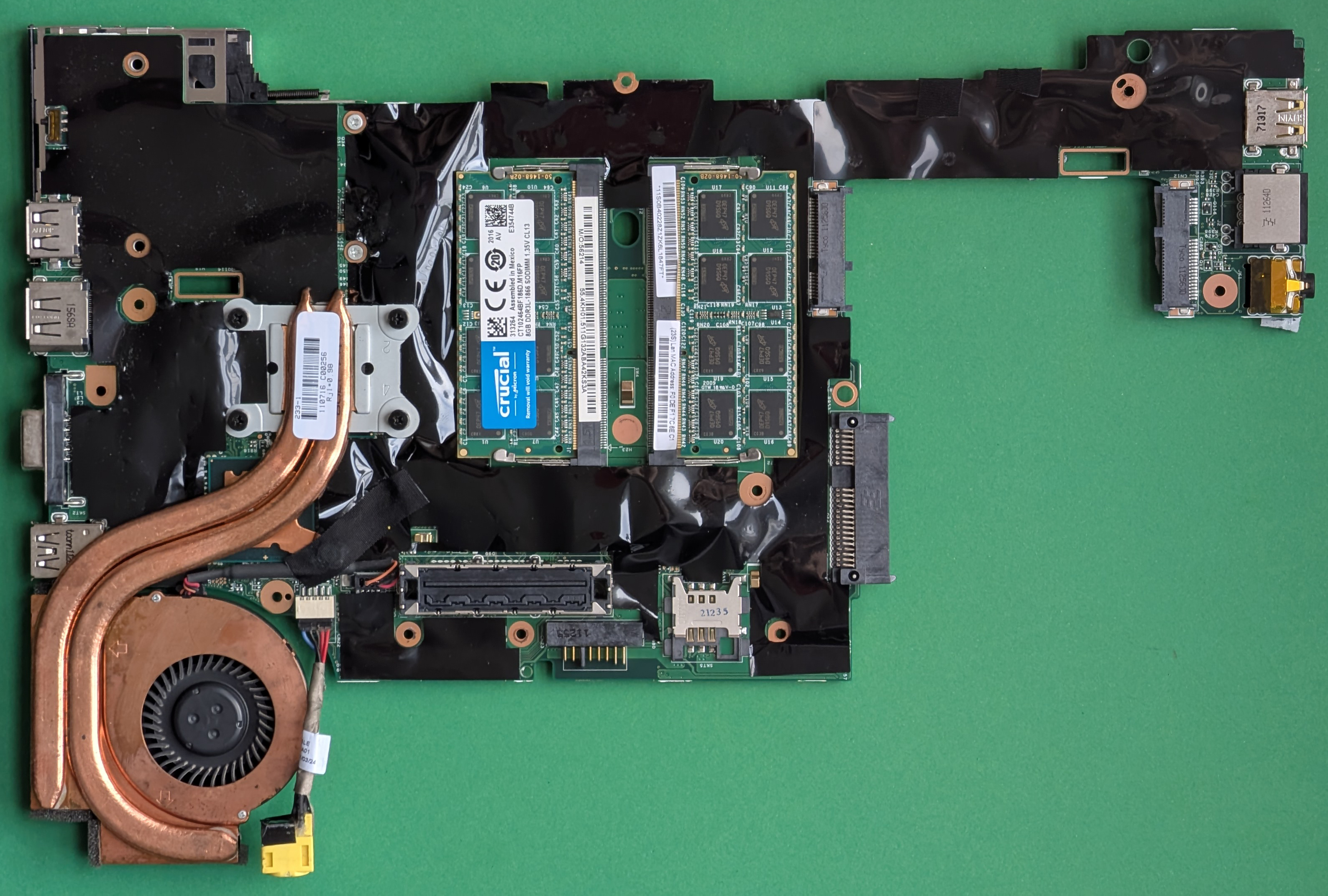
Sony’s PlayStation 6 launch timing remains undecided amid persistent memory shortages that have disrupted console manufacturing. Unlike the PS5, which faced delays due to pandemic-related supply chain issues, the PS6 is now caught in a broader industry struggle to secure sufficient GDDR6 and HBM memory for next-gen hardware. This delay isn’t just about production—it’s forcing Sony to rethink its roadmap for 2024 and beyond.
Financial Strain Beyond Hardware
The $800 million impairment loss announced alongside the PS6 update underscores deeper financial pressures. While Sony has not linked this directly to Bungie, industry analysts suggest the acquisition’s integration costs may be contributing to the hit. This comes at a time when console manufacturers are also grappling with rising development costs for next-gen games, making the PS6’s launch even more critical for Sony’s revenue outlook.
What’s Next?
The lack of a confirmed launch window means Sony is likely evaluating multiple scenarios: whether to push the PS6 into 2024, extend production timelines further, or adjust its business strategy in response to both supply chain and financial challenges. For gamers, this delay could mean longer waits for next-gen hardware, while developers face uncertainty around hardware availability for their upcoming titles.
Sony’s silence on a specific launch date suggests the situation is still fluid, but one thing is clear: memory shortages are no longer a temporary issue—they’re reshaping the entire console landscape. Whether this delay will ultimately benefit Sony or leave it trailing behind competitors remains to be seen.