The digital landscape of gaming saw a significant shift this week as a long-awaited sequel to a beloved indie title surged to the top of Steam’s sales chart, drawing in over 430,000 players within 24 hours. This milestone not only underscores the enduring appeal of roguelike deckbuilding but also signals a fresh evolution in how multiplayer functionality can be seamlessly integrated into such games without diluting their core experience.
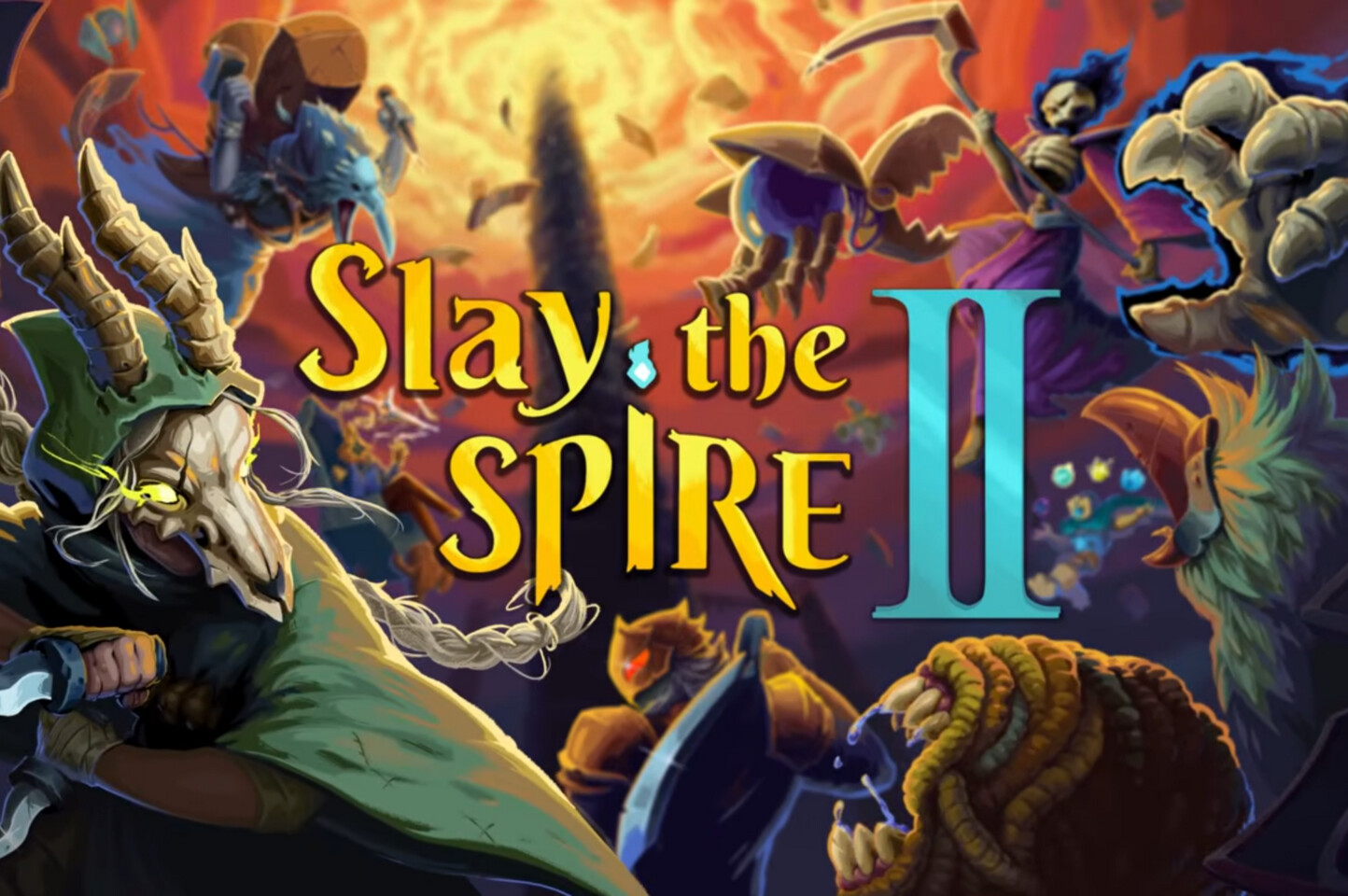
Slay the Spire 2, developed by Mega Crit, has quickly distinguished itself from its predecessor by introducing a four-player co-op mode—a feature that appears to have been executed with precision rather than as an afterthought. The game’s design maintains the tight, strategic gameplay that defined the original while expanding its narrative and mechanical depth. Initial reviews suggest that the addition of cooperative play does not compromise the single-player experience, which remains a cornerstone for fans of the series.
Beyond the co-op innovation, Slay the Spire 2 expands on the original’s foundation with new characters, cards, abilities, and secrets, each designed to deepen player engagement. The game’s ability to balance complexity with accessibility is evident in its reception, which has been overwhelmingly positive, reinforcing its position as a standout entry in the roguelike genre.
- Key Features:
- Four-player co-op mode, a first for the series
- Expanded character roster with unique abilities and cards
- Secrets system that adds replayability
- Steam sales chart dominance within 24 hours of launch
- 97% positive review rating on Steam
The game’s rapid ascent to the top of Steam’s sales chart—outperforming established titles like Marathon and Resident Evil Requiem—highlights its immediate market impact. This success is particularly noteworthy given the competitive nature of the gaming landscape, where player retention and innovation are critical factors. Slay the Spire 2’s ability to attract such a large audience so quickly suggests it has struck a balance that resonates with both long-time fans and new players.
While the game’s record-breaking launch is a strong indicator of its potential longevity, its true test will be in sustaining this momentum. Roguelike games often thrive on replayability, and Slay the Spire 2’s introduction of co-op elements may further extend its lifespan by appealing to groups of players looking for shared experiences without sacrificing the depth that defines the genre.
For small businesses or independent developers looking to draw parallels from this launch, the key takeaway is the power of incremental innovation. Slay the Spire 2 did not reinvent the wheel; instead, it refined and expanded on what already worked, proving that even modest enhancements can lead to significant market impact when executed thoughtfully.