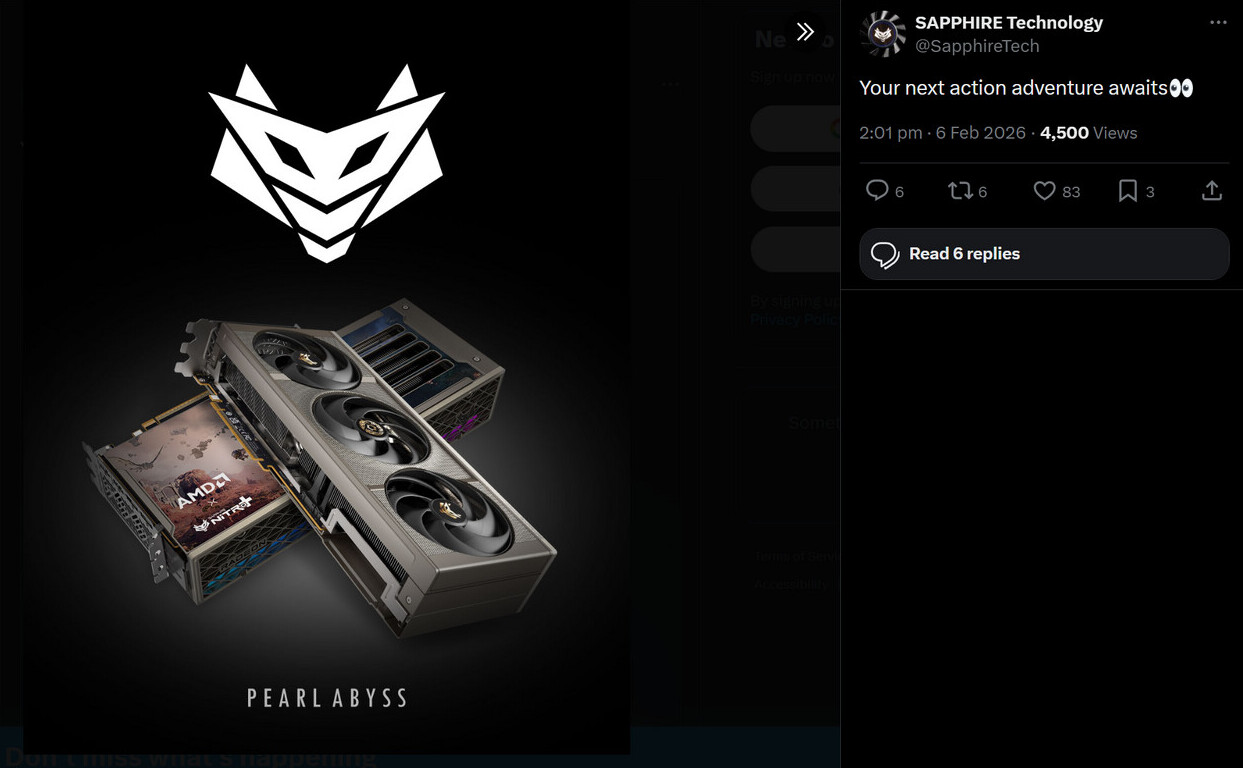
The gaming hardware market just gained a new visual standout: Sapphire Technology’s NITRO+ Radeon RX 9070 XT Crimson Desert Edition. This isn’t just another graphics card—it’s a collaboration between AMD, Sapphire, and Crimson Desert* developer Pearl Abyss, arriving ahead of the fantasy action-adventure game’s March 19 launch.
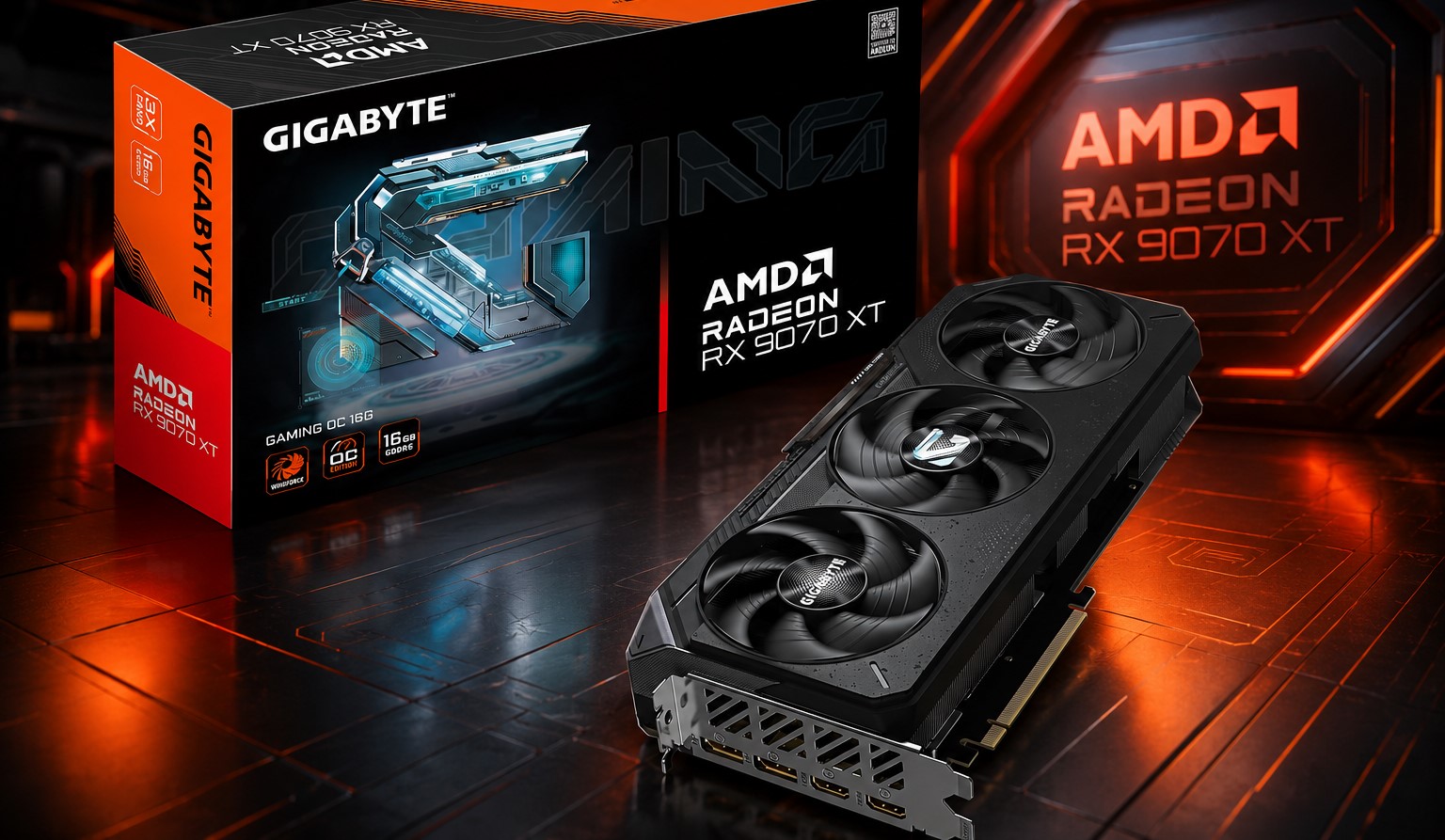
The card retains the core specs of the standard RX 9070 XT—16GB GDDR6 memory, Navi 48 architecture, and three high-performance fans—but now sports a backplate and fan accents themed around Crimson Desert’s signature red-and-gold color scheme. Early listings in European retailers suggest a price near €970–980, with at least one store already advertising stock availability.
The Aesthetic Meets the Performance
While the technical specifications remain unchanged, the design upgrades are subtle yet deliberate. The backplate features Crimson Desert branding, and the triple-fan array includes custom decals, a nod to the game’s fantasy aesthetic. This follows a trend seen earlier with AMD’s RX 9070 XT Monster Hunter Wilds Edition, where high-quality printing elevated the card’s visual appeal.
Sapphire’s move aligns with the growing trend of GPU manufacturers partnering with gaming franchises to create exclusive hardware. The timing is strategic: Crimson Desert’s standalone prequel is set to release next month, and this card could serve as a pre-launch promotional piece for enthusiasts.
What’s Next for Gamers?
For those interested in the Crimson Desert Edition, availability appears to be expanding, with at least one retailer already listing it as in stock. Pricing remains consistent with the standard RX 9070 XT’s market position, making it a premium option for fans of both AMD’s RDNA 4 architecture and the Crimson Desert* universe.
This isn’t the only limited-edition GPU hitting shelves this year. Earlier this month, AMD’s RX 9060 XT was positioned as the ‘fastest under $350’ card, while NVIDIA’s high-end lineup—including the RTX 5090—has seen speculative pricing spikes due to AI-driven demand. Meanwhile, AMD has clarified that older RX 5000 and RX 6000 series cards will enter ‘maintenance mode,’ though first-day game support remains intact.
As the market evolves, collaborations like this one highlight how gaming hardware is increasingly becoming a canvas for cross-industry creativity—where performance meets pop culture.