Samsung is on the brink of a significant labor challenge that could further strain its already fragile financial position. A potential strike, set to begin next week, has analysts warning of severe consequences if the company fails to engage meaningfully with workers' demands. With global economic pressures already tightening profit margins, any prolonged disruption would test Samsung's ability to maintain its market dominance.
Production and Labor Under Pressure
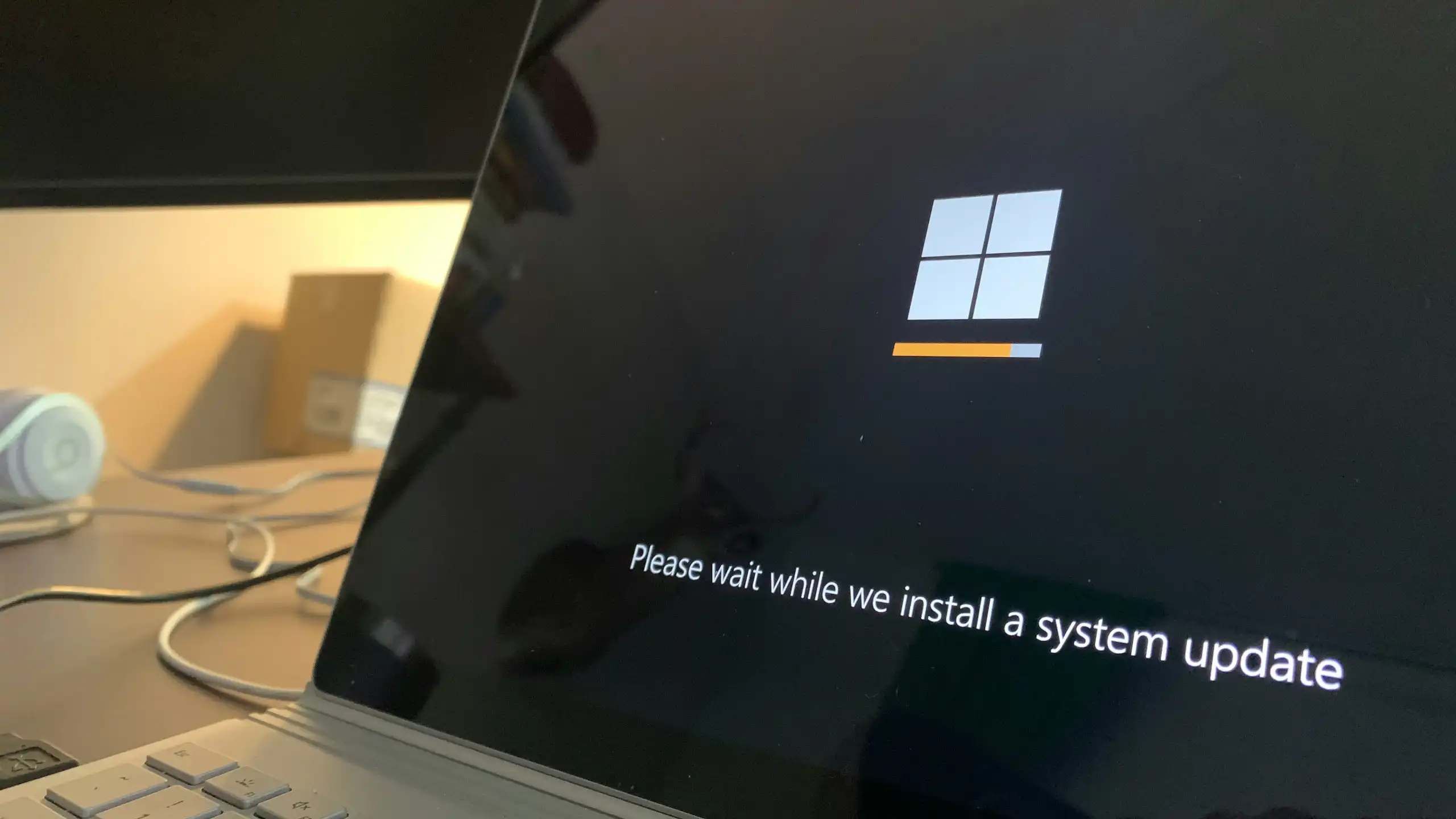
The strike, which could involve thousands of workers, comes at a critical juncture for Samsung. Employees have expressed frustration over rigid labor contracts that limit flexibility, raising concerns about the company's willingness to adapt. If negotiations break down, production lines—already operating near full capacity—could face immediate strain, with ripple effects extending across semiconductor and smartphone supply chains.
Financial Fallout Could Reach Billions
The potential financial impact of a prolonged strike is staggering, with estimates suggesting losses could surpass $20 billion. This figure accounts for more than just production costs; it also reflects lost sales and the erosion of investor confidence. Samsung's recent earnings reports have shown signs of slowing growth, making this moment particularly precarious.
Strategic Crossroads
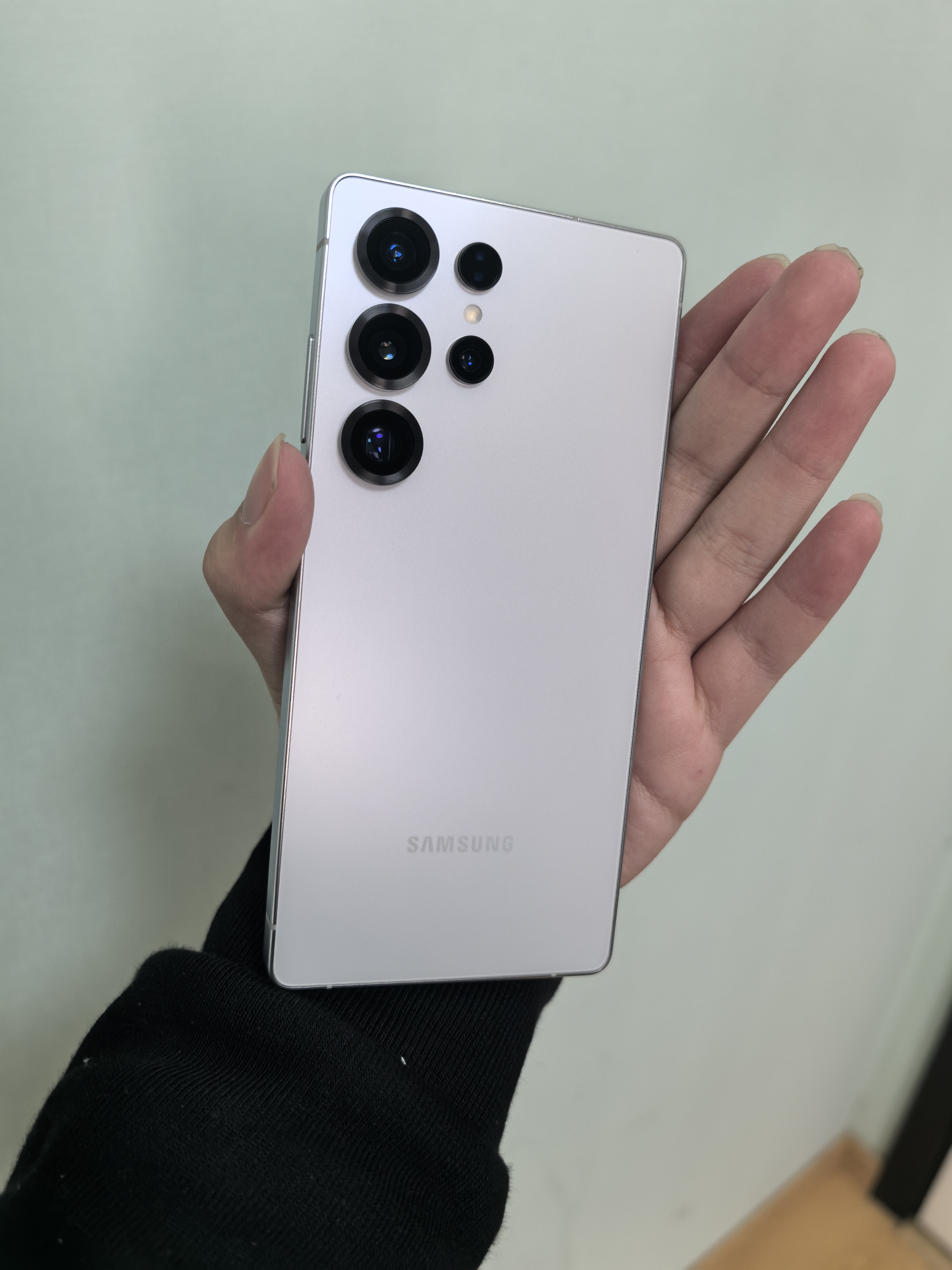
Samsung faces a critical decision: whether to negotiate with workers or risk prolonged strike action that could destabilize its market position. If the company chooses to engage, it may need to restructure labor agreements, potentially increasing operational expenses or altering its workforce model. Conversely, resisting worker demands could escalate tensions, further complicating an already tight market.
Industry-Wide Implications
The outcome of this strike could set a precedent for other global tech firms navigating similar challenges. As regulatory pressures grow, Samsung's handling of the situation will be closely watched by competitors and industry observers alike. The company's ability to adapt quickly will determine not only its short-term financial health but also its long-term competitiveness in an evolving business landscape.
The focus remains on whether Samsung can avoid prolonged disruptions while maintaining its market position. The stakes are high, with the potential for lasting damage if the strike becomes a turning point for industry-wide change. For now, the company's response will shape its labor relations strategy for years to come.