Samsung's 2nm Gate-All-Around (GAA) process has crossed a critical threshold, with yields now exceeding 60%. This marks a substantial leap from previous benchmarks, positioning the technology as a viable contender in next-generation semiconductor production. For PC builders and chip designers, this development could redefine what's possible in terms of power efficiency and performance density.
The 2nm GAA process represents a shift away from traditional planar transistors, utilizing vertical nanowires to improve electron mobility and reduce leakage current. This architectural change is expected to deliver up to a 30% improvement in power efficiency compared to existing 5nm processes, while also offering a path toward higher clock speeds without significant thermal throttling.
- Up to 70% lower power consumption at peak performance
- Potential for 20-25% higher single-threaded performance
- Reduced thermal output, enabling tighter chip packaging
The implications for PC builders are substantial. Chips built on this process could enable systems that run cooler and longer without sacrificing raw performance—a critical factor in both desktop and mobile computing. Early benchmarks suggest that a 2nm-based processor could outperform current 5nm designs by as much as 15-20% in sustained workloads, while consuming significantly less power.
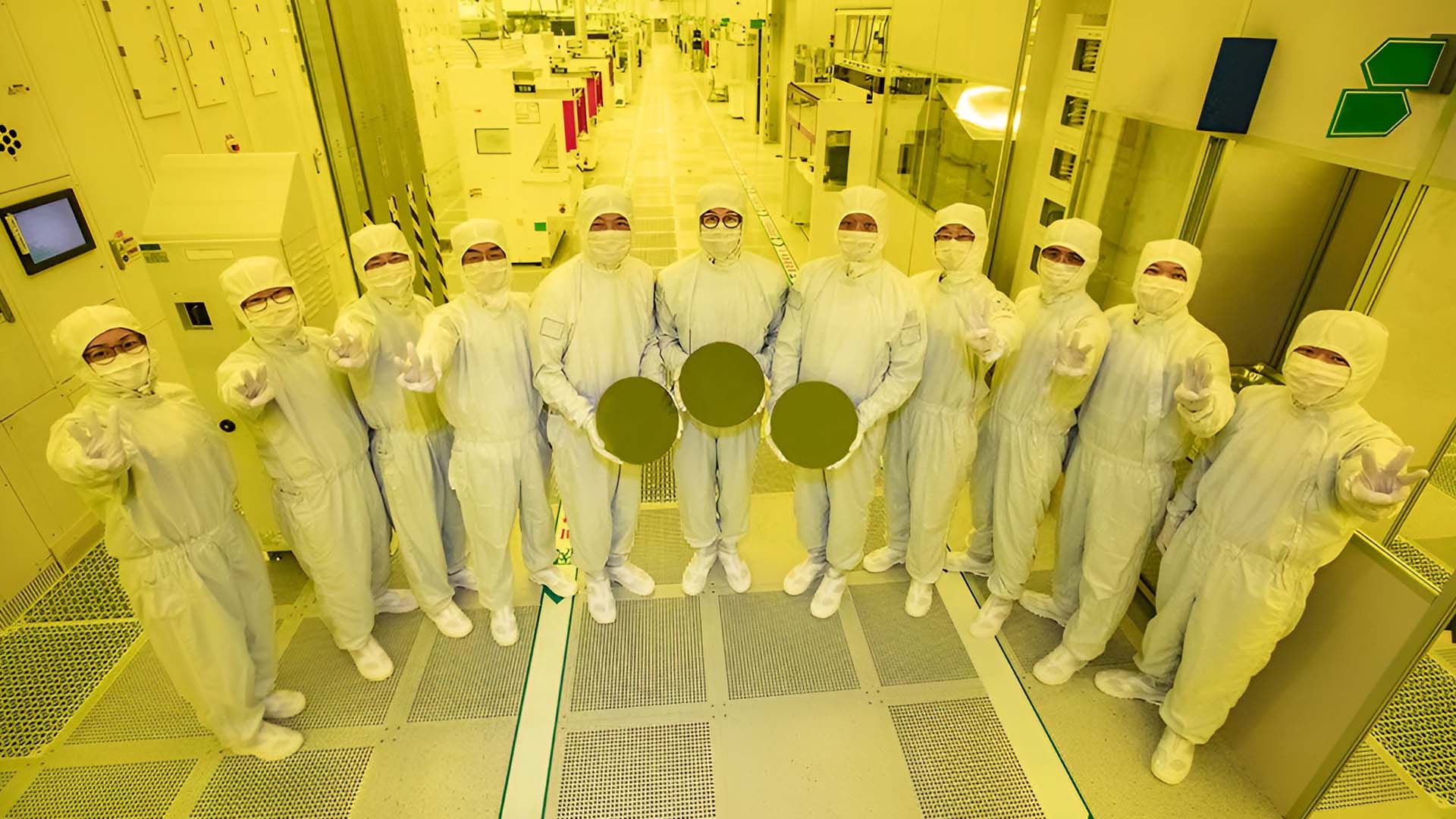
However, the roadmap for consumer adoption remains uncertain. While Samsung has demonstrated progress, mass production timelines are still fluid. The company's focus appears to be on refining yield stability and scaling manufacturing infrastructure before committing to volume production. This cautious approach is standard in semiconductor development, where even small improvements in yield can take years to translate into widely available products.
For now, PC builders should watch this space closely. If Samsung maintains its momentum, the 2nm process could become a cornerstone for future CPUs and GPUs, particularly in high-performance computing segments. The technology's ability to balance power efficiency with performance could make it a default choice for next-generation platforms, but concrete details on availability will be key before any definitive shifts occur.