In a data center in northern California, technicians are assembling new memory modules designed specifically for AI workloads—components that would have been unthinkable in smartphones just two years ago. The transition marks a significant strategic shift for Samsung’s memory unit, which is prioritizing enterprise demand over consumer devices at a time when smartphone margins are under severe pressure.
This pivot comes as the tech industry faces two competing forces: the surging demand for AI infrastructure and the brutal cost pressures on smartphones that have left manufacturers struggling to maintain profitability. Internal data from Samsung indicates that memory prices have increased by nearly 40% year-over-year, squeezing profit margins on flagship devices to levels that executives now describe as unsustainable without significant changes.
Technical Details: A Shift in Focus
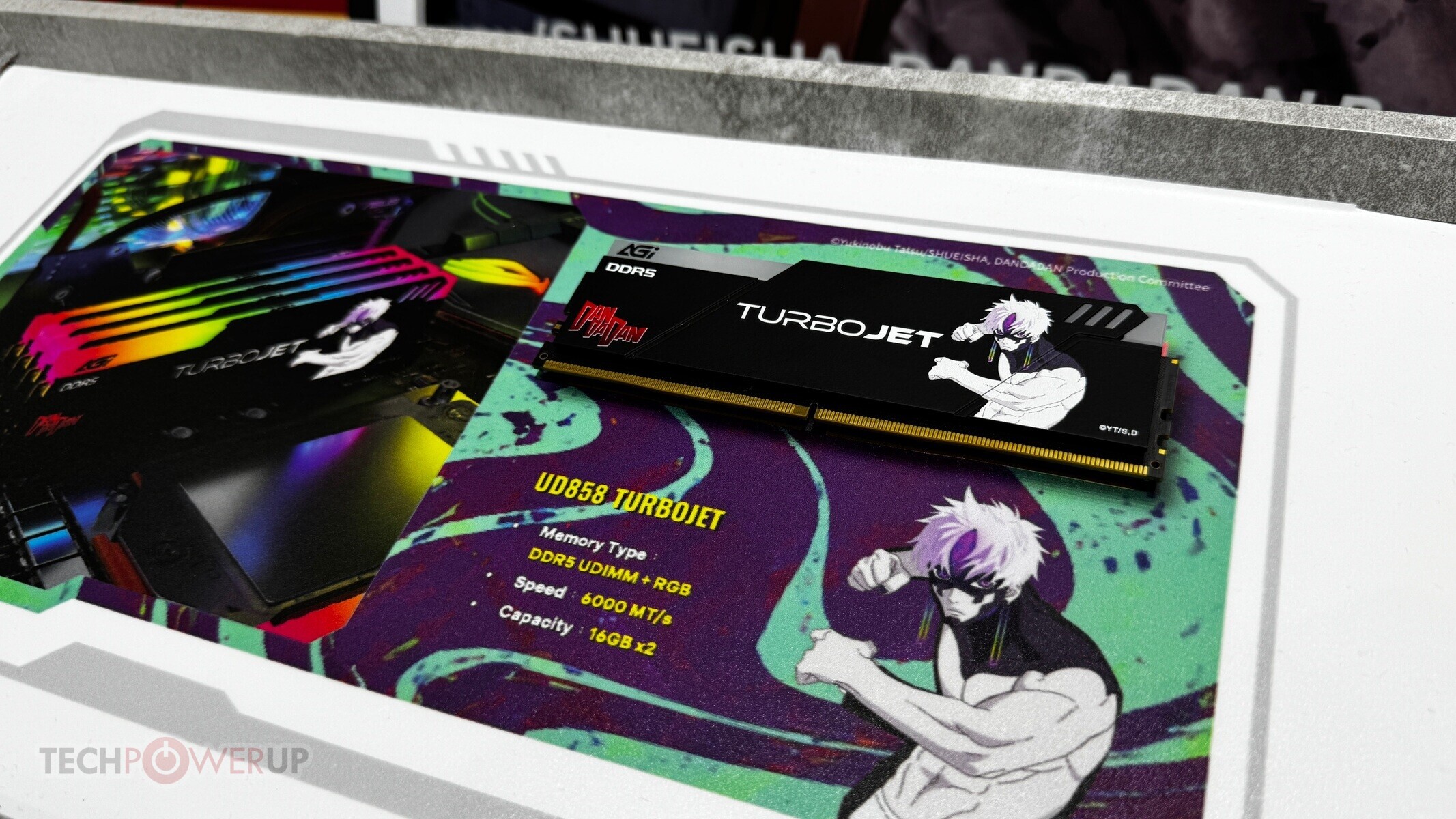
- DDR5 DRAM: New 128GB modules (up from a previous maximum of 64GB) optimized for AI training clusters, with improved power efficiency for data center deployment.
- LPDDR5X: Mobile-grade memory continues in production but is being repurposed for edge AI devices rather than high-volume smartphones.
- NAND Storage: 1TB enterprise SSDs with PCIe 4.0 support, featuring latency improvements tailored for large-scale machine learning workloads.
The technical specifications highlight the division’s strategic realignment: while smartphones will continue to use downscaled versions of these components, Samsung’s AI-focused products are being engineered for environments where performance is prioritized over cost. This raises the prospect of a supply chain split, where the same fabrication lines produce both loss-leading consumer hardware and high-margin enterprise solutions—a balancing act that could test Samsung’s operational limits.
The Smartphone Deficit Challenge
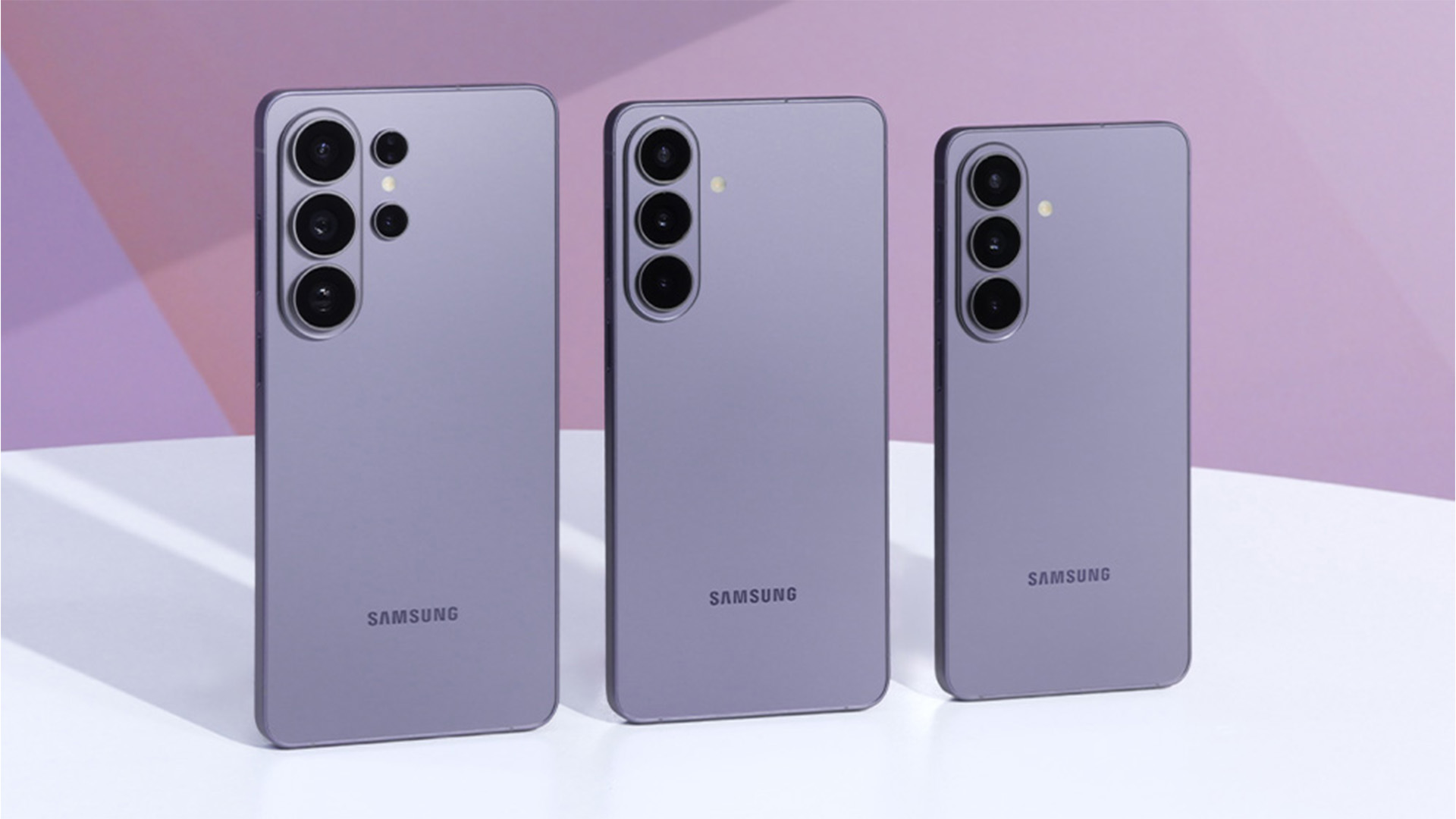
Samsung’s acknowledgment of deficits in its smartphone business suggests that the company may need to make difficult choices soon. Potential measures include reducing output of mid-range devices, renegotiating contracts with foundries, or absorbing losses on certain product lines. The risk is that such actions could trigger a supply chain reaction, leaving smaller manufacturers without access to critical components at stable prices.
For small businesses already dealing with inventory overhangs and uncertain demand, the implications are immediate: higher costs for both consumer and enterprise hardware may persist unless Samsung—or competitors—can stabilize prices in the next 12 months. The AI push, while promising long-term growth, offers no short-term relief, leaving smaller players to navigate a market where component availability is as volatile as pricing.
Long-Term Stakes
The memory unit’s shift toward AI infrastructure is confirmed in internal roadmaps, but its impact on smartphone profitability remains uncertain. If enterprise solutions become the primary focus, Samsung could lose ground in the mid-range segment—a scenario that would benefit competitors with more flexible cost structures. The challenge will be whether the company can execute this pivot without alienating key partners or overloading its existing production capacity.
For now, the industry faces a period of dual uncertainty: on one hand, the promise of AI-driven growth; on the other, the very real risk that smartphone margins—once a bedrock of Samsung’s profitability—could erode further before stabilizing. The question is no longer whether this transition will happen, but how smoothly it can be managed without leaving any market segment behind.