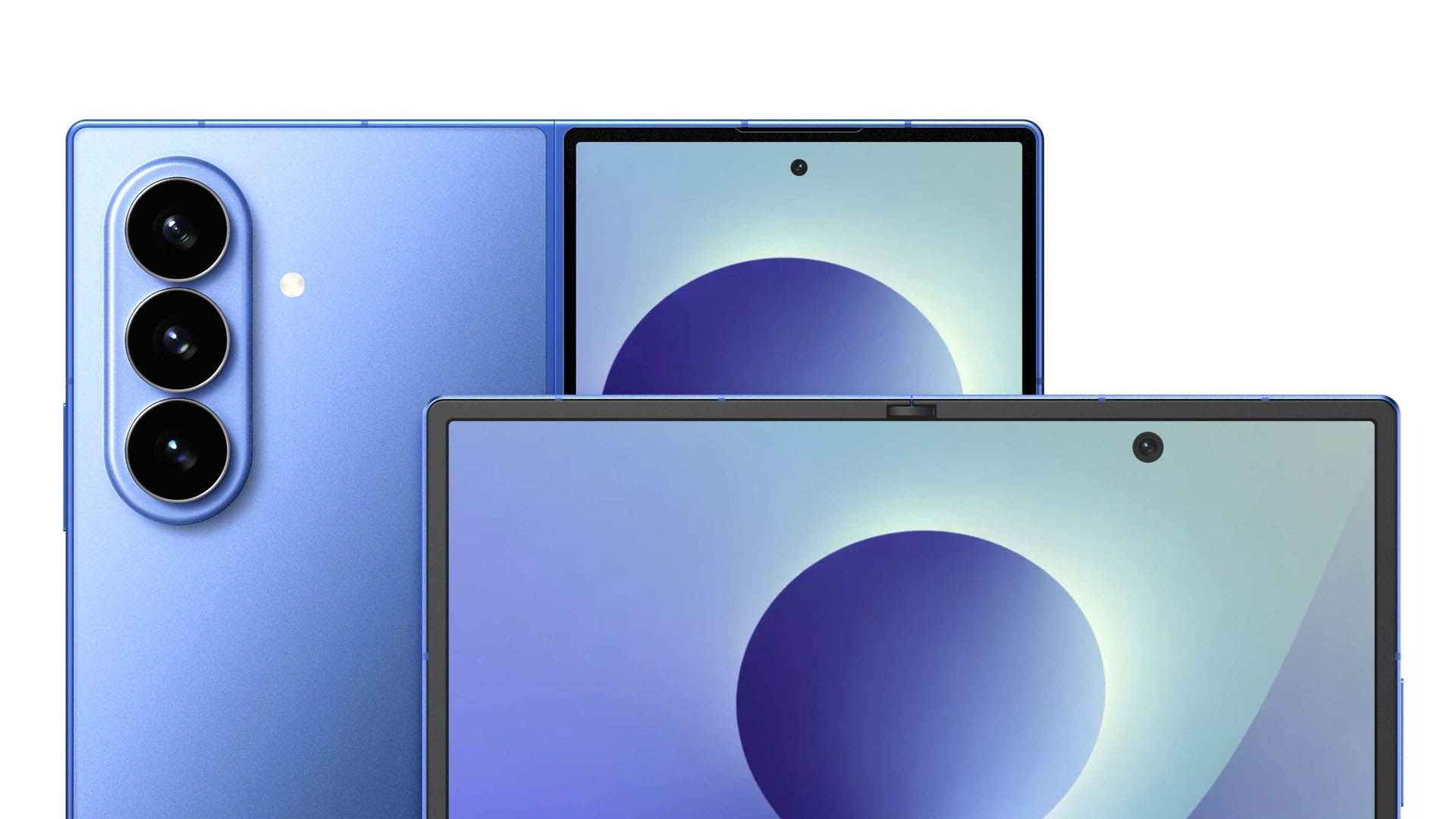
The Galaxy S26 Ultra’s premature reveal wasn’t just a leak—it was a calculated act of defiance. Distributors, frustrated by Samsung’s aggressive margin cuts and refusal to secure long-term LPDDR5X supply for the Galaxy S26 series, deliberately bypassed embargo controls. The result? Unreleased units surfaced in grey markets, stripping away the secrecy surrounding Samsung’s flagship before its official launch.
- Memory: Initial batches split 50/50 between Samsung’s LPDDR5X and Micron’s DRAM due to internal supply constraints.
- Battery: Downgraded from the S25 Ultra’s 5,000mAh but with unspecified optimizations that may limit longevity.
- Software lock: Proactive AI disabled until launch event, suggesting Samsung anticipated distributor retaliation.
- Display: Privacy Display confirmed functional, though S Pen specs remain underwhelming.
The memory split underscores Samsung’s internal struggle. The company’s semiconductor division (DS) has refused to grant favorable terms to its mobile arm (MX), forcing a last-minute pivot to Micron for half of the initial production run. Beyond the first batch, no clear preference exists—meaning consumers may face inconsistent performance depending on DRAM sourcing.

Thermal management remains a concern despite unspecified optimizations. The downgraded battery capacity, while retaining the same 000mAh label, hints at trade-offs in sustained performance. Early hands-on reports suggest the Privacy Display performs as advertised, though the S Pen’s lackluster specs may disappoint power users.
Pricing and availability remain unconfirmed, but the distributor revolt signals deeper instability. Samsung’s attempt to recoup margins through aggressive channel policies has backfired, leaving the Galaxy S26 Ultra’s launch in disarray—while competitors watch closely for weaknesses in Samsung’s supply chain.