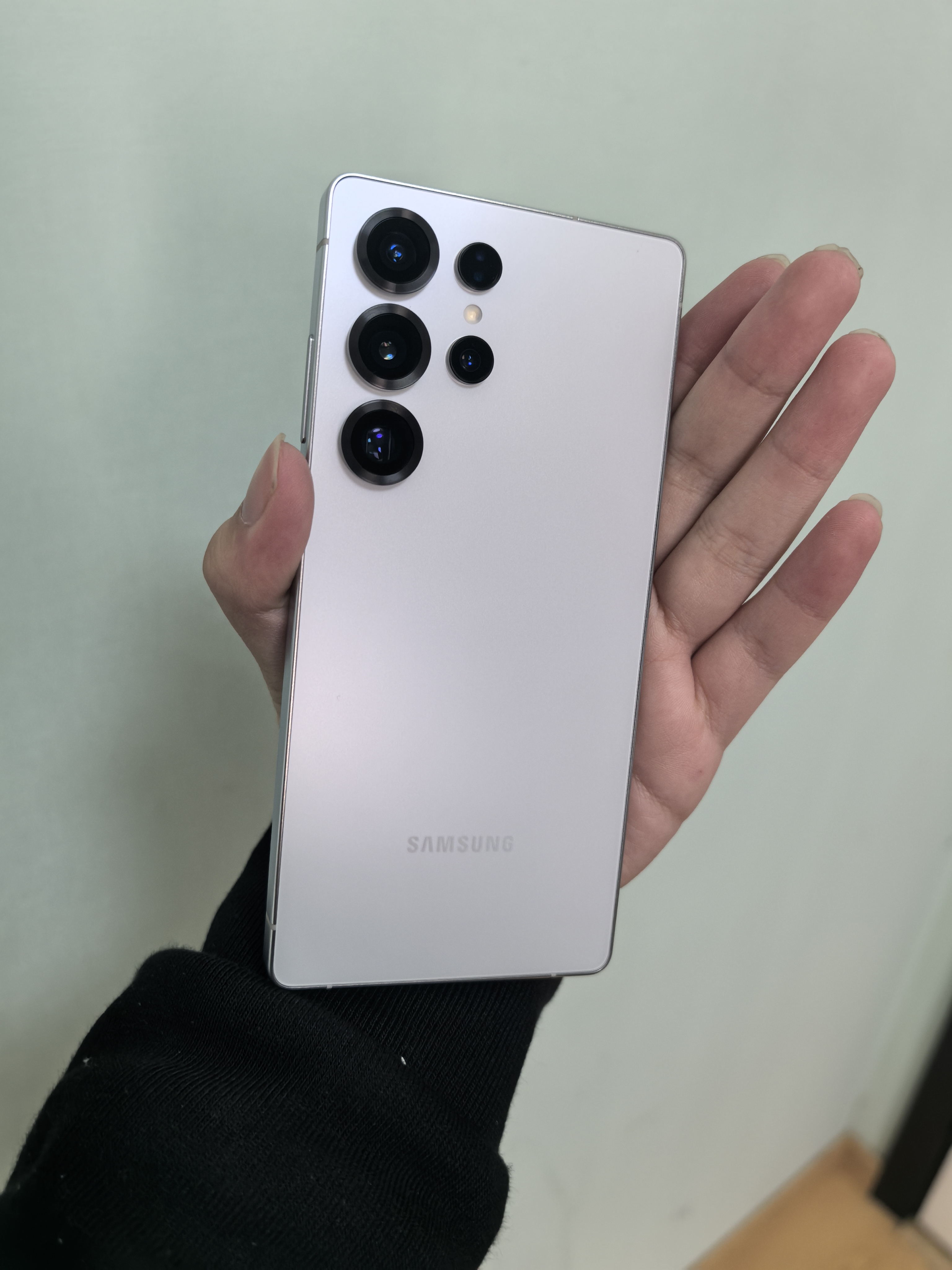
The Galaxy S26 Ultra is not living up to expectations in a way that’s becoming increasingly common for high-end smartphones. Unlike previous flagship cycles where minor flaws were overlooked, this time Samsung has taken an unusual step: reportedly offering refunds to owners who return their devices. The question isn’t just why—it’s what this means for the future of premium Android phones and whether buyers should reconsider their upgrade paths.
Samsung’s decision reflects a broader tension in the flagship market. On paper, the Galaxy S26 Ultra delivers incremental improvements over its predecessor: a 12GB RAM option (up from 8GB), slightly faster clock speeds, and minor software refinements. But in practice, these changes don’t feel substantial enough to justify the premium price tag, especially when compared to competitors that offer more tangible upgrades—like better battery life or camera performance. This disconnect is forcing buyers to weigh whether a flagship’s brand prestige still outweighs its real-world benefits.
Key Specifications and Tradeoffs
- Display: 6.8-inch Dynamic AMOLED 2X, 120Hz adaptive refresh rate, HDR10+
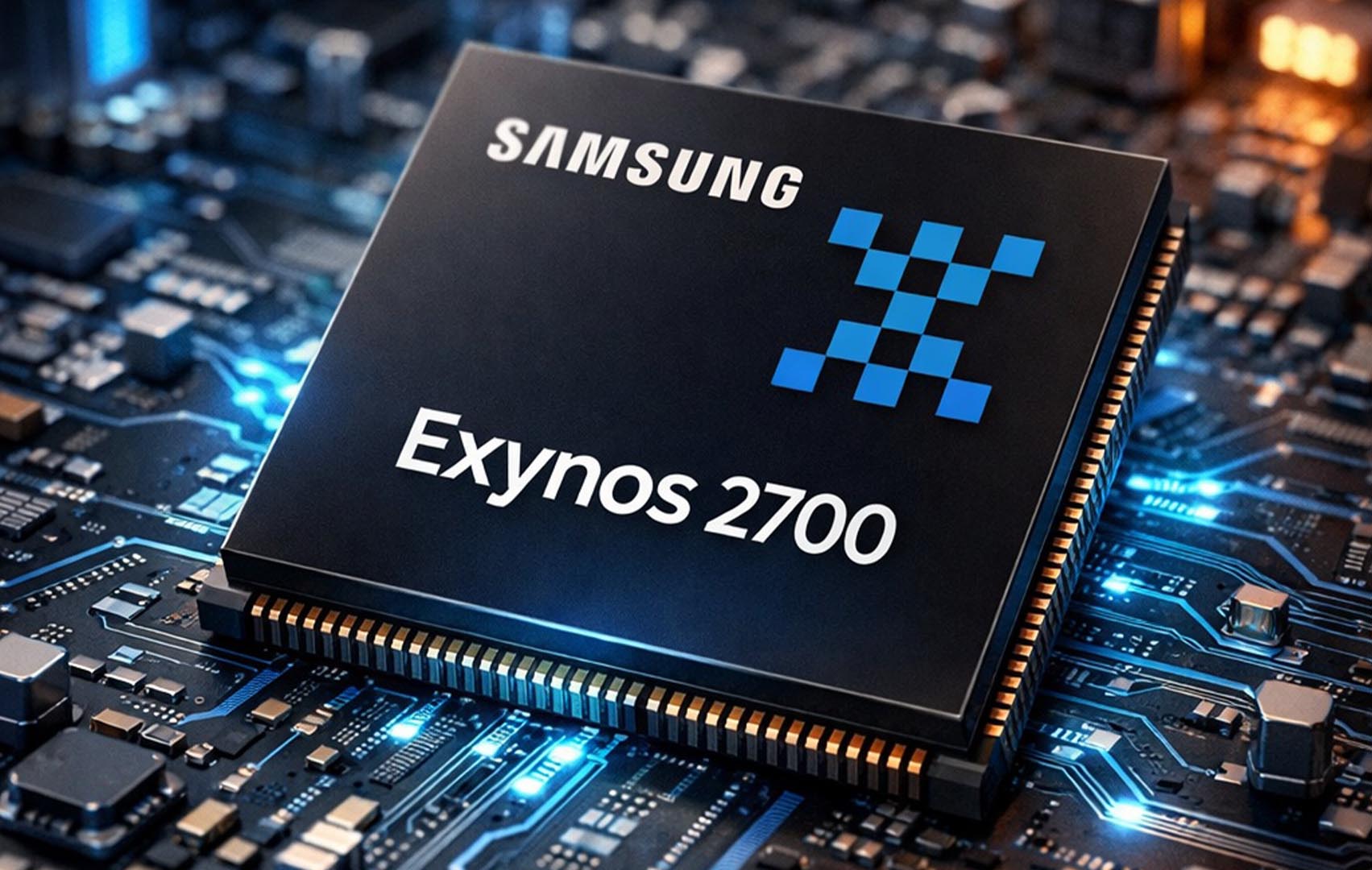
- Chipset: Snapdragon 8 Gen 3 (same as S25 Ultra), but with optimized cooling for sustained performance
- Memory: 12GB RAM (base model), 256GB/512GB/1TB storage options
- Cameras: 200MP main sensor, 12MP ultra-wide, 10MP periscope telephoto (5x optical zoom)
- Battery: 5,000mAh with 45W fast charging
- Software: One UI 6.1 based on Android 14, expected to receive four major updates
The specs read like a checklist of ‘good enough’ rather than breakthroughs. The Snapdragon 8 Gen 3 is already a mature chip, and while Samsung has tweaked thermal management, there’s no leap in raw performance that would make this phone feel significantly faster or more efficient than last year’s model. Similarly, the camera system—while still top-tier—lacks the kind of disruptive innovation seen in competitors’ latest flagships. Battery life remains a weak point, with the 5,000mAh cell not translating to meaningful runtime improvements over the S25 Ultra.

Market Implications: A Shift in Flagship Dynamics
The refund offer is a signal that Samsung’s flagship strategy is under pressure. Historically, buyers would stick with a brand for its ecosystem—like Samsung’s DeX or Google integration—but this cycle, the tradeoffs are too pronounced. The 12GB RAM option, for example, is more of a marketing play than a practical necessity; most users won’t notice the difference in everyday use, yet it commands a premium price. Meanwhile, competitors are pushing harder on battery efficiency and software longevity, areas where Samsung has traditionally lagged.
This isn’t just about one phone—it’s about the entire flagship market. Consumers are becoming more discerning, prioritizing real-world improvements over incremental upgrades. If Samsung can’t close that gap in the next cycle, the refund trend could become a regular occurrence, reshaping how buyers approach premium Android devices.
What Buyers Should Consider
For those already holding an S25 Ultra or earlier model, the Galaxy S26 Ultra may not be worth the upgrade unless they’re chasing specific features like the 12GB RAM option or minor camera tweaks. The lack of a major performance leap means the jump is more about software longevity than hardware gains. Meanwhile, buyers eyeing this year’s iPhone lineup might find Apple’s offerings more compelling, given their focus on efficiency and ecosystem integration.
The refund policy adds another layer of uncertainty. While it’s rare for Samsung to offer such a move, it suggests the company is acknowledging that not all flagship launches are guaranteed successes. For now, the Galaxy S26 Ultra remains a solid phone, but its market impact hinges on whether Samsung can course-correct before the next cycle.