Samsung’s next-generation flagship lineup may take a detour through cost optimization, with reports indicating the tech giant is testing OLED display samples from a Chinese supplier for the Galaxy S27 series. This isn’t just about trimming expenses—it’s a calculated gamble on whether lower-cost OLED can maintain the visual and power efficiency that defines today’s premium smartphones.
The industry has long assumed Samsung would stick to its in-house OLED production, but market pressures are forcing a rethink. The Galaxy S27 is expected to retain a 120Hz refresh rate, full HDR10+ support, and likely an LTPO adaptive refresh feature, but the underlying display panel could now come from outside Samsung’s traditional supply chain. If this shift holds, it would mark one of the first times a top-tier Android phone has relied on external OLED suppliers without sacrificing core performance metrics.
What Changes—And What Doesn’t
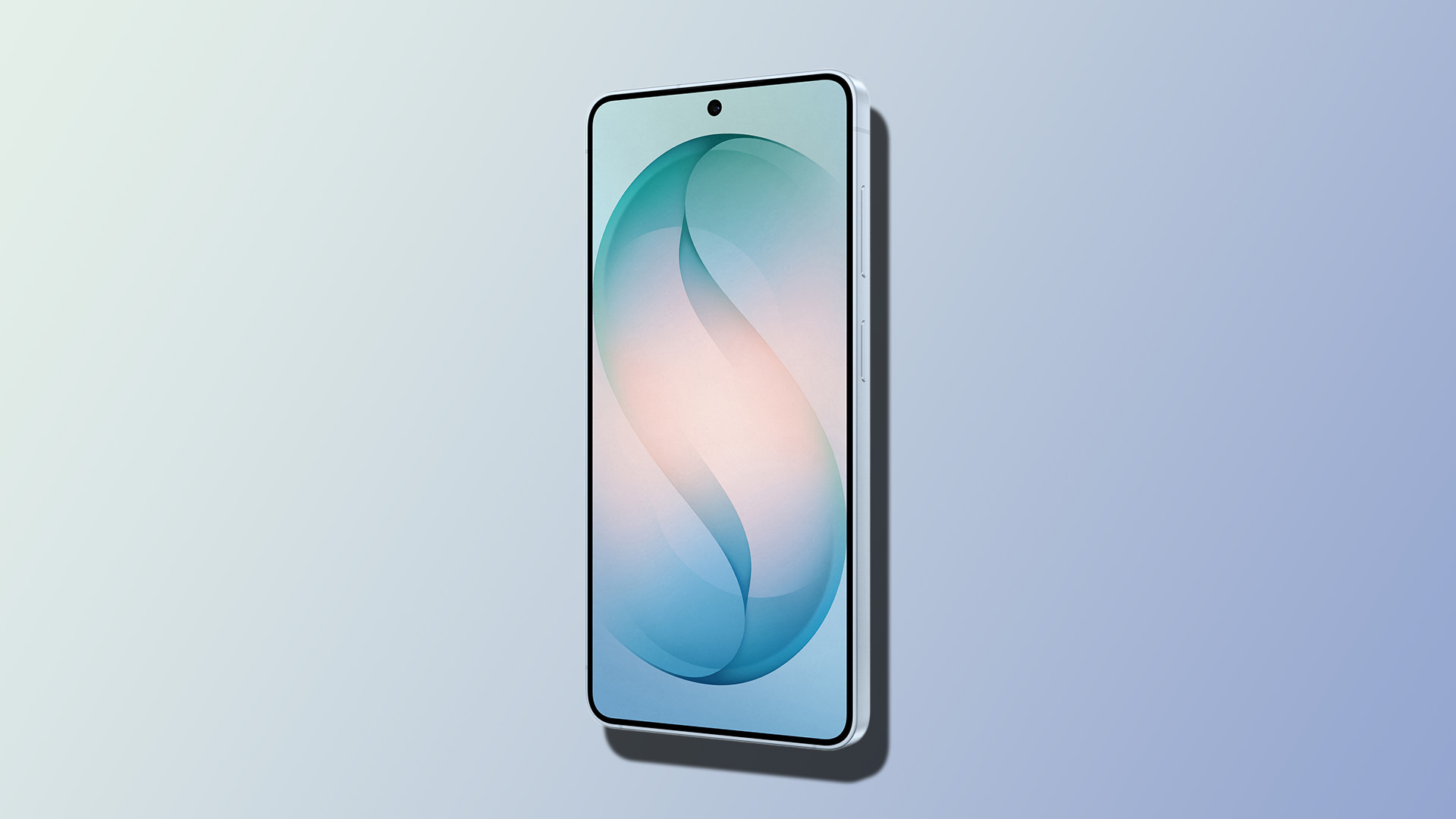
The Galaxy S27 series is still rumored to feature a 6.1-inch or 6.2-inch display, depending on regional variants, with a punch-hole front camera setup and likely a 1,080-pixel resolution (not 4K). The key uncertainty isn’t screen size or resolution—it’s whether the Chinese-sourced OLED can match Samsung’s signature color accuracy, peak brightness, and power consumption. Current benchmarks for similar panels suggest they can hit 1,300 nits, but real-world performance under sustained HDR content remains untested.
- Display:
- 6.1-inch or 6.2-inch OLED (likely 1,080 x 2,400 resolution)
- 120Hz adaptive refresh rate (LTPO expected)
- HDR10+ support
- Peak brightness: ~1,300 nits (speculative)
- Punch-hole front camera layout
A user would notice the difference in battery life if the new OLED panel delivers lower power draw under HDR workloads—a common pain point in today’s high-refresh-rate displays. However, Samsung’s software optimizations for color and contrast could mitigate any degradation, ensuring the visual experience stays on par with competitors like Apple or Google.
Chip, Battery, and the Efficiency Equation
The Galaxy S27 series is expected to run on a custom Exynos chip (likely the 2300 or a successor), paired with 8GB–16GB LPDDR5X RAM and 128GB–256GB UFS 4.0 storage. Where the display might save costs, the rest of the hardware remains premium: a 4,750mAh battery (with 30W fast charging) and likely a triple-camera system with a 50MP main sensor, 12MP ultrawide, and 10MP telephoto module.
- Chipset: Custom Exynos (2300-series or newer)
- RAM: 8GB–16GB LPDDR5X
- Storage: 128GB–256GB UFS 4.0
- Battery: 4,750mAh (30W fast charging)
- Cameras: Triple: 50MP main + 12MP ultrawide + 10MP telephoto
The real test will be thermal performance. Samsung’s Exynos chips have historically struggled with heat under sustained AI workloads, so any display cost savings must not come at the expense of cooling efficiency. If the new OLED panel reduces power draw by even a few percentage points, it could free up headroom for more aggressive CPU/GPU clock speeds—something Apple has long leveraged to stay ahead in compute benchmarks.
Who Stands to Gain—or Lose?
This shift isn’t just about Samsung; it’s a signal that the premium smartphone market is reaching an inflection point. For years, OLED production was a moat—only a handful of suppliers could deliver the precision and efficiency needed for flagship devices. If Chinese manufacturers crack the code without sacrificing quality, we’ll see a ripple effect: more brands sourcing OLED externally, driving down costs across the board. The losers? Established display makers like LG or BOE, who’ve relied on Samsung’s long-term contracts to justify massive R&D investments.
For consumers, the upside is clearer: potentially lower prices for a phone that still delivers 120Hz smoothness, vibrant HDR, and likely a longer battery lifespan. The downside? If the new OLED panels introduce subtle color shifts or lower peak brightness in real-world use, Samsung’s reputation for display perfection could take its first crack since the Galaxy S III era.
What’s Still Unclear
- Final Decision: Samsung may still opt for in-house OLED if quality concerns arise during testing. No official confirmation yet.
- Regional Variants: Some markets (e.g., China) might get the new panel first, while others stick to Samsung’s traditional suppliers.
- Software Impact: One UI 6.0 will need to recalibrate color profiles if the OLED characteristics differ significantly from Samsung’s usual panels.
The biggest question isn’t whether this move will succeed—it’s how quickly competitors will adapt. If Samsung pulls it off without trade-offs, we’ll see a wave of mid-range and premium phones adopting external OLED in 2025, fundamentally reshaping the cost-performance equation for smartphone displays.
What to watch: Whether Samsung announces the Galaxy S27 series with the new panel by Q3 2024, and if prices drop noticeably compared to last year’s models. If this is a one-off experiment, it won’t change the industry. But if it becomes the new standard, we’re in for a reset.