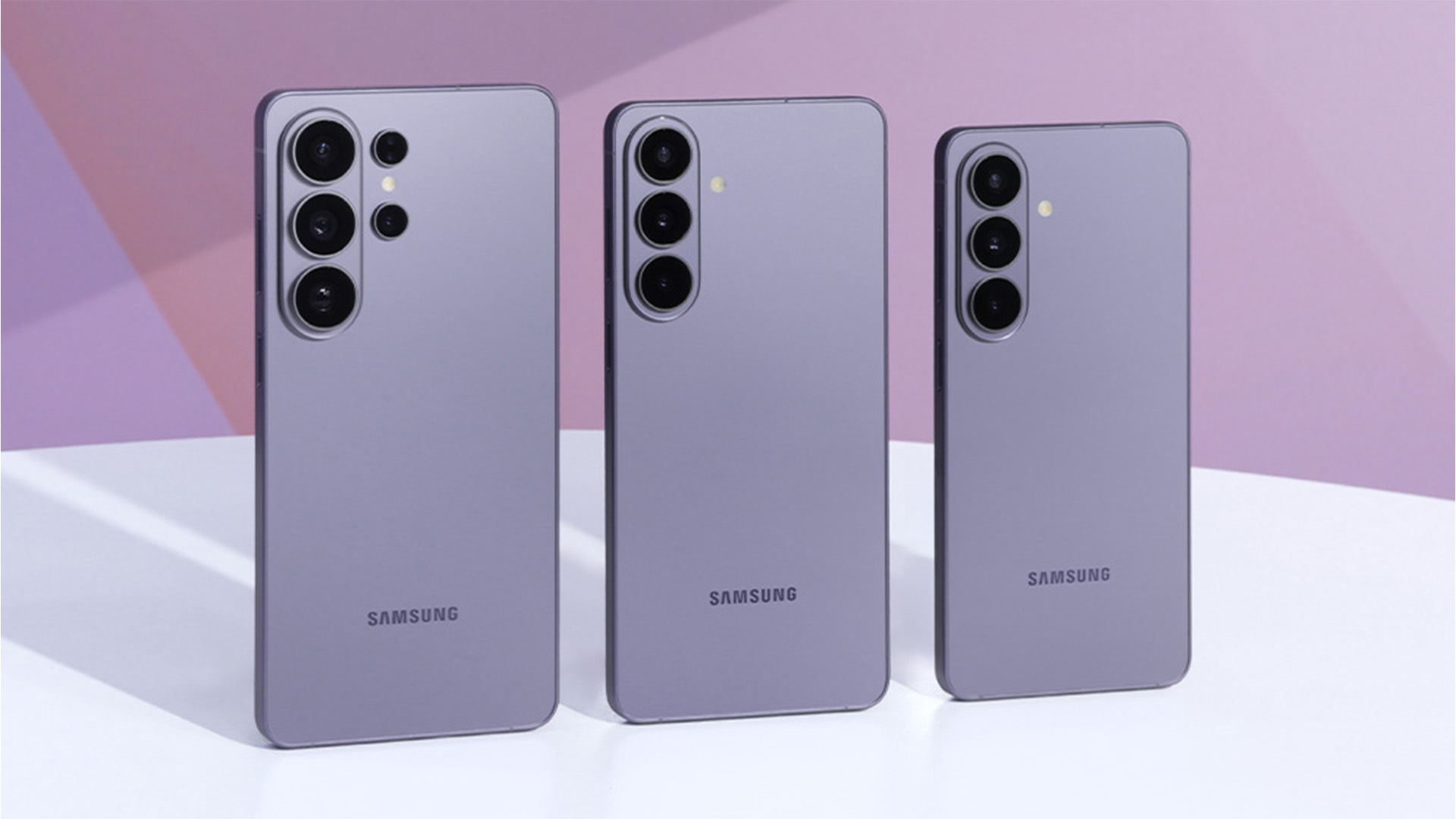
The global technology landscape is currently navigating a complex and challenging environment for electronics manufacturers. Samsung Electronics, a dominant force in the mobile device market, has publicly acknowledged anticipating potential price increases for smartphones due to persistent shortages within the memory component supply chain. These concerns were articulated by TM Roh, Co-CEO of Samsung’s Mobile eXperience (MX) Business, during presentations at the Consumer Electronics Show (CES) 2026.
Roh’s highlighted a particularly demanding ‘pricing situation’ within memory markets. He explicitly stated that “smartphone price adjustments may be necessary” – a significant departure from previous statements emphasizing sustained investment in innovation and premium device offerings. This proactive warning suggests a fundamental shift in operational strategy, driven by external pressures rather than solely internal growth objectives.
Understanding the Root of the Problem
The memory shortage impacting Samsung and numerous other electronics companies is multifaceted. It’s not simply about a lack of supply; it stems from several converging factors including increased demand for data-intensive applications, the proliferation of IoT devices requiring significant storage, and ongoing geopolitical tensions influencing manufacturing locations and trade routes. The semiconductor industry, in particular, has experienced substantial investment cycles focused on advanced memory technologies (DDR5, LPDDR5X), further exacerbating supply constraints.
Beyond smartphones, the ripple effect of this shortage is being felt across a broad spectrum of electronic devices. Samsung’s ecosystem extends beyond mobile to encompass televisions, home appliances, and industrial equipment – all relying heavily on memory chips for functionality and performance. This widespread impact underscores the interconnectedness of the global electronics supply chain and highlights vulnerabilities inherent in concentrated manufacturing hubs.
Strategic Responses: Collaboration and ‘Repricing’
Samsung isn't passively accepting these challenges; the company is actively pursuing a range of strategies to address the situation. A key element involves close collaboration with suppliers across its entire value chain, aiming for improved visibility into supply availability and coordinated planning efforts. This collaborative approach seeks to optimize logistics, reduce lead times, and ultimately secure more consistent access to critical memory components.
Furthermore, insights from Wonjin Lee, Samsung’s Global Marketing Head, indicate the company is seriously considering “repricing” its product portfolio. Speaking with Bloomberg, Lee elaborated that this decision would be meticulously calibrated to align with the evolving economic realities and reflect the increased costs associated with memory procurement. The precise details of these potential price adjustments remain undisclosed, but it signals a willingness to adapt pricing strategies to maintain profitability in a constrained environment.

Impact on Consumers: What to Expect
While specific price hikes haven't been announced, industry analysts predict consumers may see modest increases in the cost of new smartphones, particularly those representing flagship models. Premium devices, which typically utilize higher-capacity memory and cutting-edge technologies, are likely to be disproportionately affected. However, Samsung is expected to continue offering a range of devices across different price points, ensuring accessibility for various consumer segments.
The company’s approach will likely involve strategic product positioning – focusing on features and performance where it can maintain a competitive advantage while managing costs effectively. Innovation efforts may be subtly shifted towards areas less reliant on memory-intensive technologies, though Samsung remains committed to ongoing advancements in display technology, camera systems, and processor architecture.
Long-Term Implications for the Electronics Industry
The current memory shortage serves as a stark reminder of the vulnerabilities within global supply chains. It’s prompting significant conversations about diversification, regionalization, and increased investment in domestic semiconductor manufacturing capabilities. Governments worldwide are implementing policies to incentivize local production and reduce reliance on geographically concentrated supply sources – a trend that is expected to accelerate in the coming years.
Beyond government initiatives, electronics manufacturers are increasingly adopting strategies such as long-term contracts with suppliers, building strategic reserves of critical components, and exploring alternative memory technologies. The crisis has forced a fundamental reassessment of risk management practices within the industry, highlighting the importance of resilience and adaptability in an era of rapid technological change and geopolitical uncertainty.
Samsung’s Position: Navigating Uncertainty
Samsung's response to this challenging market environment demonstrates its commitment to operational agility. By proactively anticipating supply constraints and implementing a multifaceted strategy encompassing collaboration, strategic pricing adjustments, and long-term supply chain diversification, Samsung aims to mitigate the impact of the memory shortage on its business operations. The company’s ability to navigate these complexities will undoubtedly shape the future direction of the smartphone industry as a whole.