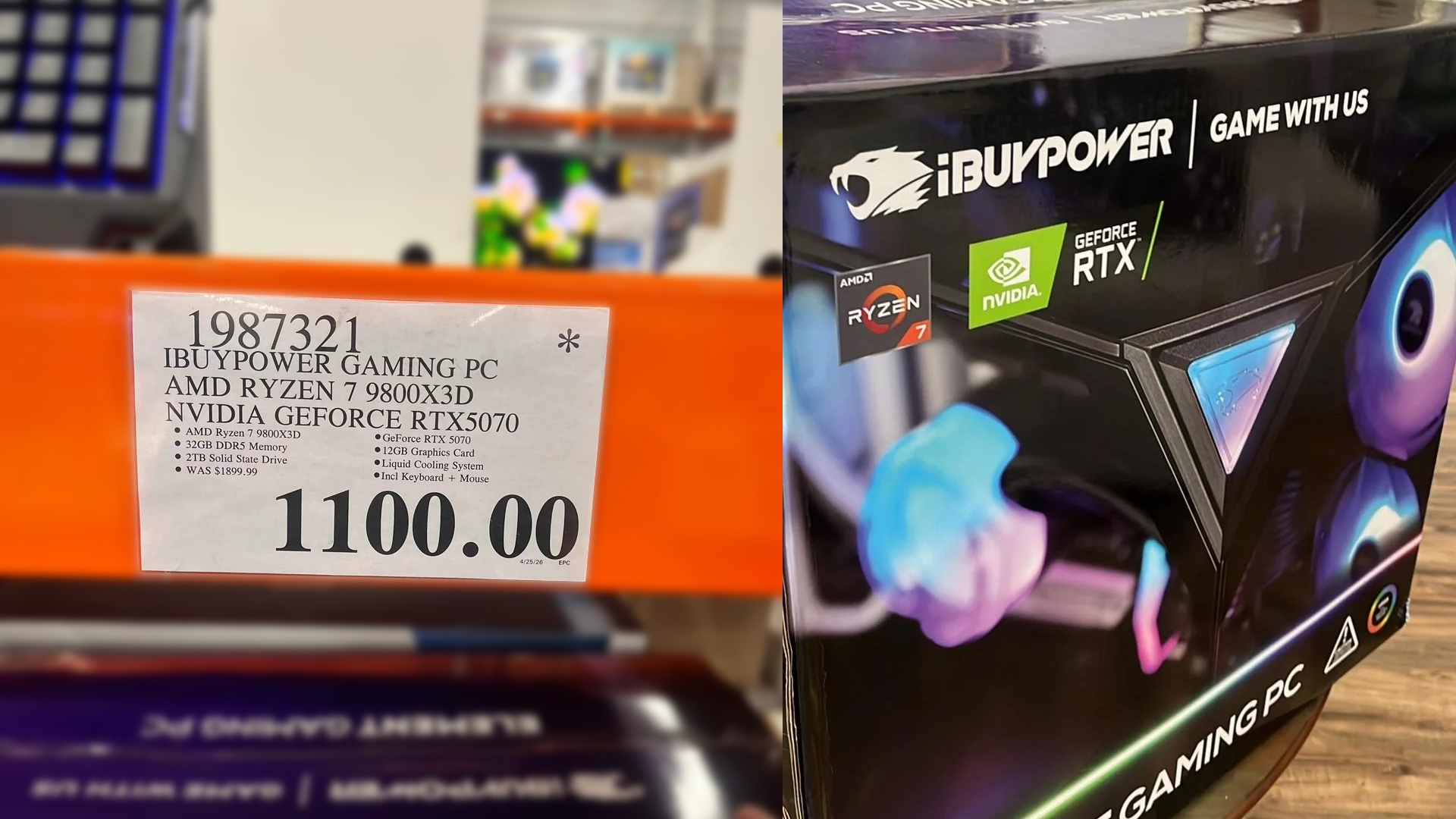
A gaming PC built around the Ryzen 9 6900X3D processor and RTX 5070 graphics card is now available at a major retailer for just over $1,100—a price point that challenges the usual cost of custom builds. This prebuilt system, which includes high-performance components typically found in premium configurations, offers IT teams a ready-to-deploy option without the need for extensive assembly or part sourcing.
The build, which combines AMD’s latest 8-core, 16-thread processor with NVIDIA’s DLSS 3.5-enabled graphics card, represents a shift in how budget-conscious buyers can access high-end hardware. While custom builds often require careful component matching and can easily surpass $2,000, this prebuilt option simplifies the procurement process while delivering comparable performance.
Key Specifications
- Processor: AMD Ryzen 9 6900X3D (8 cores / 16 threads, 4.5 GHz base clock, 5.8 GHz boost clock)
- Graphics Card: NVIDIA GeForce RTX 5070 (12 GB GDDR6 memory, 17 Gbps bandwidth)
- Memory: 32 GB DDR5-6000 RAM
- Storage: 1 TB NVMe SSD
- Power Supply: 850W 80+ Gold certified
The system also includes a 240 mm AIO liquid cooler, RGB lighting, and a pre-installed operating system. While the exact availability may vary by location, this build is notable for its balance of performance and price, making it an attractive option for IT teams looking to deploy high-end gaming or content-creation workstations without the overhead of custom assembly.
Practical Implications
The $1,100 price tag is particularly interesting when compared to the cost of individual components purchased separately. A Ryzen 9 6900X3D alone retails for around $549, while an RTX 5070 typically sells for $499. When combined with other essential components like RAM and storage, the total can quickly exceed $1,500—let alone the additional costs of assembly, cooling, and power supply. This prebuilt option effectively bundles those costs into a single purchase, reducing both time and complexity for buyers.
However, there are tradeoffs to consider. Prebuilt systems often come with less flexibility in terms of upgrades or customization compared to custom builds. IT teams should also verify whether the included power supply meets their facility’s requirements, as 850W units may not be suitable for all environments. Additionally, the availability of this specific build is not yet confirmed beyond the initial announcement, so procurement teams should confirm stock before ordering.
Looking ahead, this development suggests a growing trend toward prebuilt systems that cater to both performance and budget constraints. As component prices fluctuate and supply chains stabilize, such options could become more common, providing IT teams with a reliable path to deploy high-end hardware without the usual headaches of sourcing and assembly.