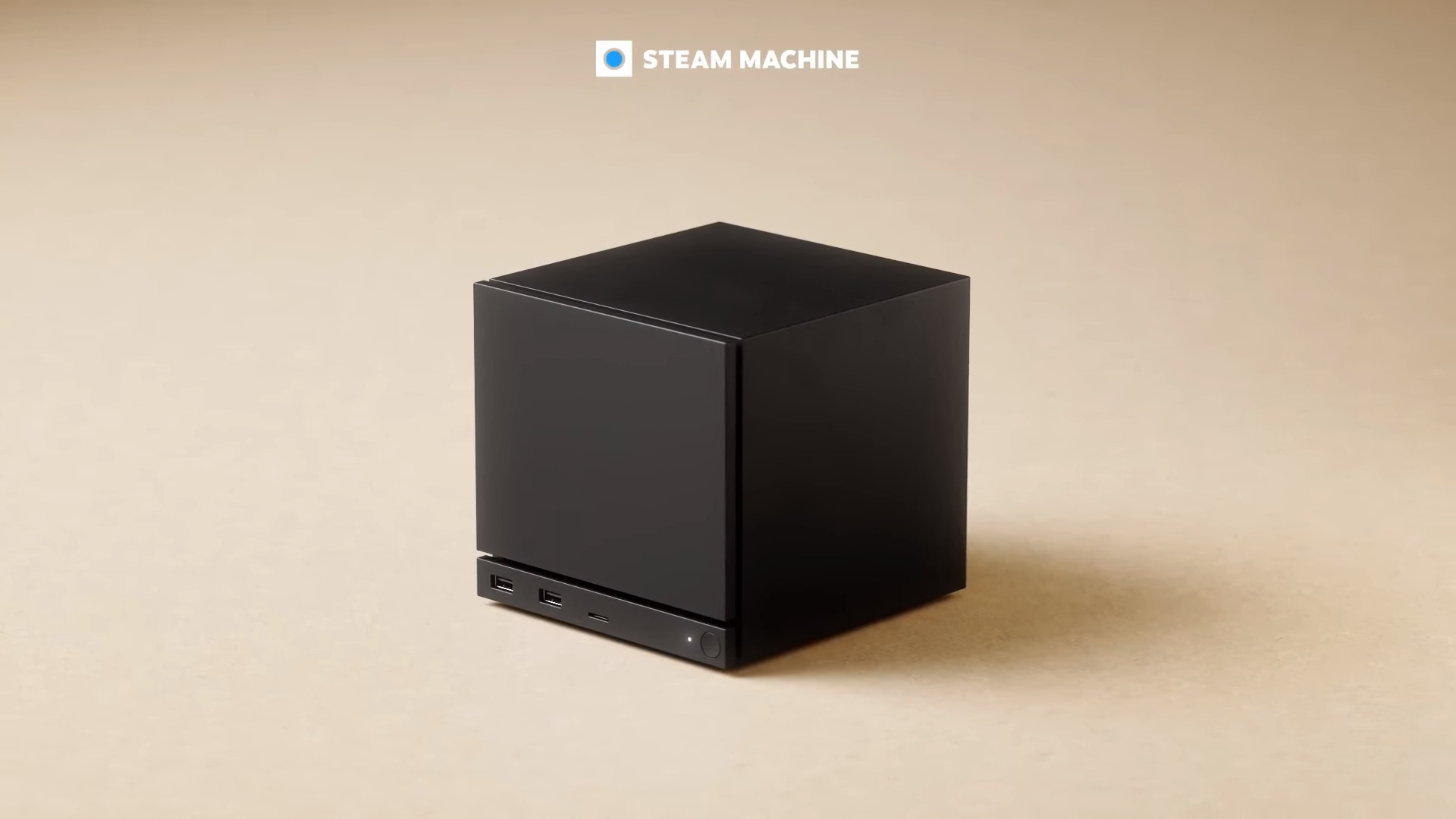
A single component—memory—is now a deciding factor in whether a Steam Machine build stays within budget or spirals beyond it.
Sources indicate that internal price lists for the Steam Machine have seen sharp increases, largely due to the ongoing RAM crisis. This isn't just a matter of cost; it's reshaping how PC builders prioritize components and plan their next purchase. The ripple effect extends from enthusiasts assembling custom rigs to developers testing compatibility in an increasingly constrained market.
What does this mean for those who rely on Steam Machine for performance or portability? The answer lies in the numbers: a component that once fit neatly into mid-range builds is now a bottleneck, forcing choices between higher costs and potential compromises in system specs. The shift also raises questions about long-term stability—how will RAM scarcity affect future compatibility, especially as new software and game updates roll out?
Why the Steam Machine is feeling the pinch
The Steam Machine, designed to blend the flexibility of a desktop with the portability of a console, has always been a niche player. But its reliance on standard PC components—particularly RAM—means it's not immune to the broader supply chain disruptions hitting the tech industry. The current crisis has pushed prices upward, making it harder for builders to justify the investment without significant trade-offs.
For example, a system that once balanced 16 GB of DDR4 memory with a mid-range GPU now faces a choice: stick with older, slower RAM or accept a larger price jump to meet current standards. This isn't just about raw performance; it's about ensuring the machine remains viable for years to come. Compatibility becomes a moving target when the foundation—memory—is no longer stable.
What’s confirmed and what’s still unknown
The internal price hikes are confirmed, but the broader implications remain unclear. Will this trend continue as more builders adjust to higher RAM costs? Or will alternative solutions emerge, such as optimized software or hardware workarounds? For now, the focus is on navigating the current landscape—balancing cost, performance, and future-proofing without knowing exactly where the next bottleneck will appear.
One thing is certain: the Steam Machine isn't alone in this struggle. The RAM crisis has touched nearly every corner of the PC market, from gaming desktops to workstations. But for a device that straddles the line between desktop and console, the stakes are higher. A misstep in component selection could leave it lagging behind competitors or, worse, rendering it obsolete before its time.
As supply chains stabilize—or fail to—builders will need to adapt. The question isn't whether RAM prices will drop; it's how quickly they'll adjust and what that means for the next generation of Steam Machines. For now, the only certainty is that memory is no longer just a component; it's the variable that could define an entire build.