AMD’s Flagship Processor Surfaces in Pre-built Systems
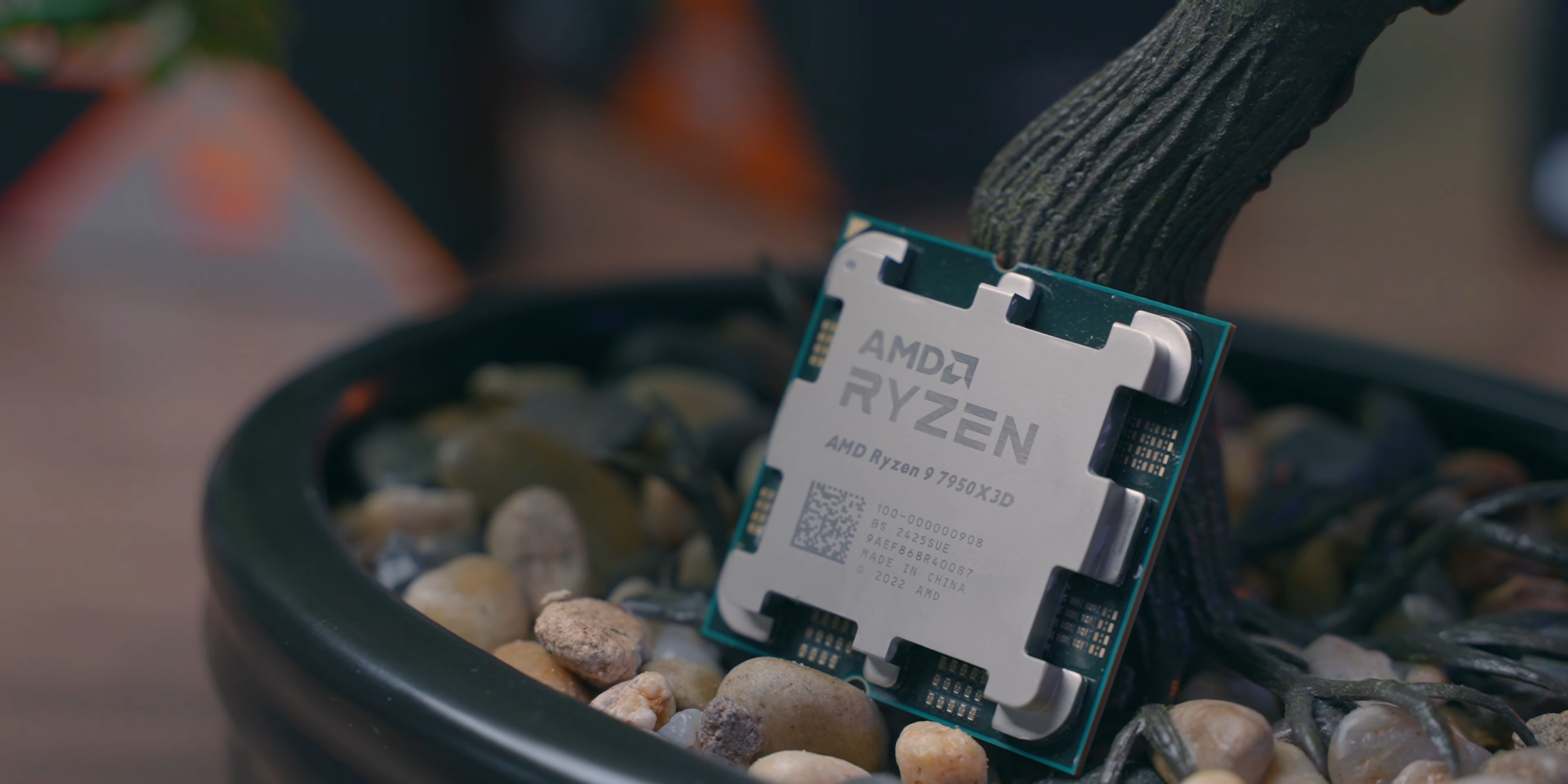
The tech landscape is abuzz with renewed interest surrounding AMD's highly anticipated Ryzen 9 9950X3D, often referred to as the ‘Granite Ridge’ variant. Initial whispers and web sleuth activity quickly pointed towards its inclusion within marketing materials and product descriptions – a significant indicator of potential availability.
Alienware China's official Weibo account inadvertently highlighted a new Area-51 desktop system designed around this processor. Accompanying the announcement was a short video prominently featuring a ‘CES 2026’ banner, immediately sparking conversation and excitement within the enthusiast community. While AMD showcased the Ryzen 7 9850X3D during recent trade shows, these developments suggest a potentially staggered release strategy.
Sytronix Announces NexStation Powered by Ryzen 9 9950X3D
Adding further fuel to the speculation, UK-based PC workstation and server specialist Sytronix has unveiled an ‘all-new’ NexStation product slated for pre-order release. The announcement details a system powered by AMD's Ryzen 9 9950X3D CPU alongside the Radeon AI PRO 9700 GPU – creating a configuration targeted at demanding professional workloads.
Sytronix’s product page elaborates on the key features of the 9950X3D, emphasizing its dual CCD architecture. The company highlights how this design ‘stacks massive L3 cache directly on the CPU, boosting memory bandwidth and cutting latency.’ This innovation is specifically positioned to benefit applications requiring rapid access to large datasets – including simulation software, Computer-Aided Design (CAD) programs, data science initiatives, and Artificial Intelligence (AI) inferencing tasks.
Understanding the Ryzen 9 9950X3D’s Technological Advantages
The core of the excitement surrounding the 9950X3D lies in its unique architecture. The inclusion of a massive L3 cache directly on the CPU is a key differentiator from previous Ryzen generations. This approach dramatically improves memory bandwidth and reduces latency, translating to significant performance gains in applications that heavily rely on data-intensive operations. The dual CCD configuration further enhances processing capabilities, allowing for parallel execution of tasks and improved overall system responsiveness.
This technology is particularly well-suited for professional workloads demanding high throughput and low latency. The ability to quickly access and process large datasets makes the 9950X3D a compelling option for professionals in fields such as scientific research, engineering design, financial modeling, and advanced data analytics.
Potential Timeline and Future Implications
Early leaks and benchmark reports surrounding the Ryzen 9 9950X3D suggest a potential rollout timeline that may extend beyond the immediate release of its 8-core sibling (the Ryzen 7 9850X3D). This indicates a phased approach to market introduction, allowing AMD to optimize production and distribution channels.
The increased attention surrounding the 9950X3D is likely to drive further innovation within the CPU landscape. AMD’s focus on high-performance cache technology could influence future processor designs across the industry, prompting other manufacturers to explore similar strategies for boosting performance in demanding applications.