The conversation around game exclusivity has rarely been as heated as it is today, with debates over platform dominance, developer autonomy, and the financial realities of publishing deals taking center stage. At the heart of this storm lies *Alan Wake 2*, a critically acclaimed title that became a lightning rod for criticism over its Epic Games Store exclusivity—particularly after its sales trajectory fell short of expectations. Now, the game’s developer, Remedy Entertainment, has entered the fray, defending its partnership with Epic as not just necessary but 'very fair,' while acknowledging the broader challenges of selling premium experiences outside Steam’s ecosystem.
Released in late October 2023, *Alan Wake 2* was met with near-universal praise, earning a 9 out of 10 from critics and sweeping awards at The Game Awards 2023 for Best Game Direction, Best Narrative, and Best Art Direction. It also became Remedy’s fastest-selling game at launch, surpassing 1.3 million units by February 2024. Yet, by late 2024, the studio admitted in investor updates that development and marketing costs had yet to be recouped—a situation that only improved in February 2025 when sales finally crossed the 2 million mark. The slow start, combined with its permanent exclusivity on Epic’s platform, reignited discussions about whether the choice of publisher had hindered its commercial success.
Criticism reached a fever pitch this week after Larian Studios’ Director of Publishing, Michael Douse, suggested that Remedy’s financial struggles could be traced back to the Epic exclusivity deal, estimating the studio may have lost 'hundreds of millions' by forgoing Steam. His followed Epic Games CEO Tim Sweeney’s defense of the Epic Games Store, which he argued now accounts for 55–60% of Steam’s user base—a claim that underscored the growing competition between the two platforms. Yet Douse’s argument struck a chord: if Epic’s Free Program and aggressive pricing strategies were meant to benefit developers, why had *Alan Wake 2* struggled to recover costs?
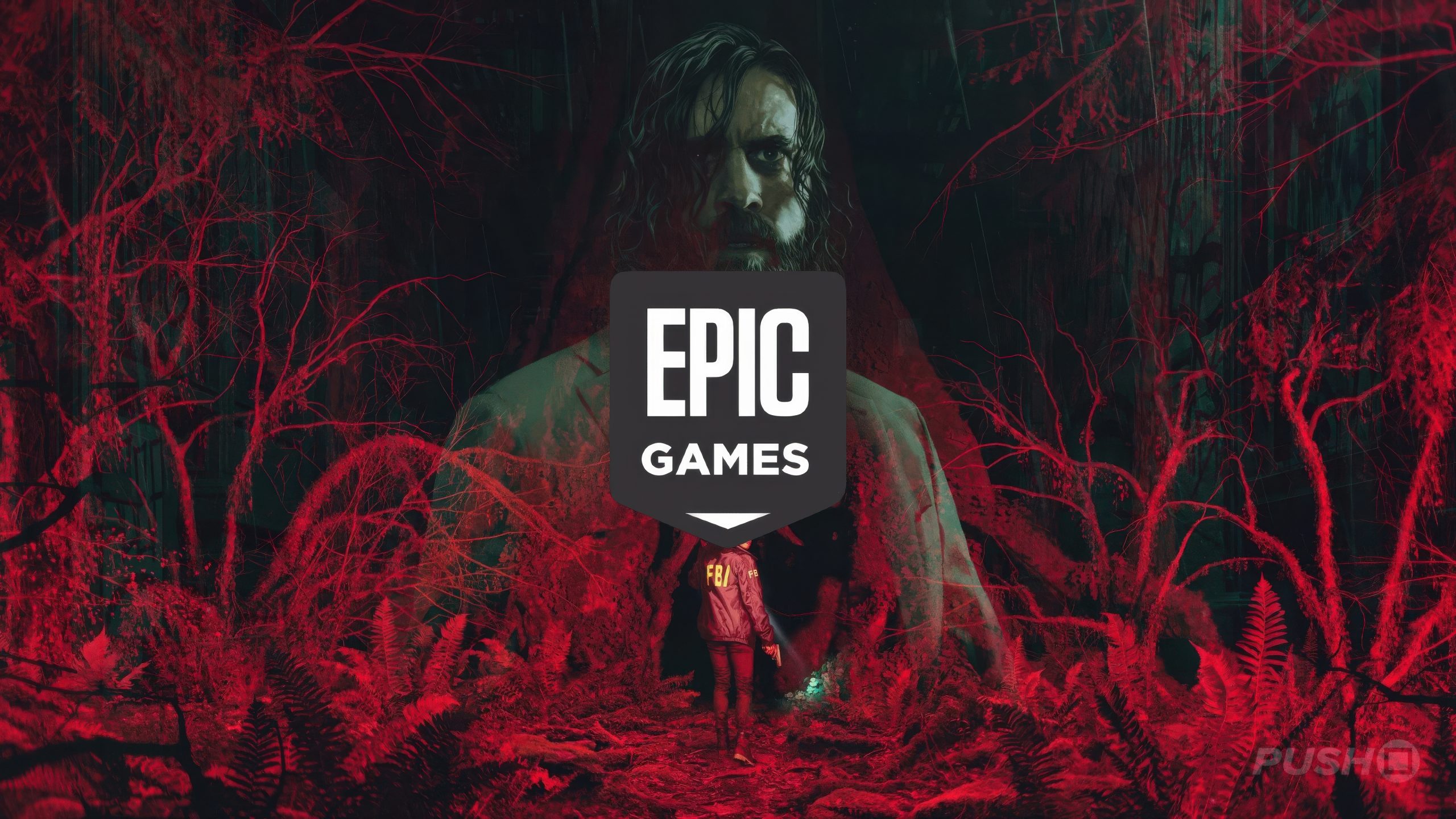
Remedy’s response was swift and unequivocal. In a public statement, the studio clarified that *Alan Wake 2* would not exist without Epic’s publishing support, calling the deal 'very fair' and noting that negotiations concluded in months—a rarity in an industry where such agreements often drag on for over a year. The developer also dismissed suggestions that the game’s underperformance was solely due to exclusivity, pointing out that its predecessor, *Alan Wake*, achieved similar sales figures without a Steam release. 'Steam or no Steam,' Remedy emphasized, 'Epic has been an excellent partner.'
The exchange highlights a deeper tension in the gaming industry: while Epic’s ambitions to rival Steam are undeniable, the practical realities of selling premium titles outside the dominant platform remain contentious. Remedy’s defense of its deal reflects a broader truth—many developers rely on publishers to fund ambitious projects, even if the commercial outcomes are uncertain. For Remedy, the stakes were particularly high: *Alan Wake 2* was a sequel long in the making, and its release kept the studio’s Connected Universe alive. Yet, as the developer itself admitted, the game’s sales performance was more about market dynamics than exclusivity alone.
Looking ahead, Remedy’s focus appears to be shifting. The studio’s upcoming *CONTROL Resonant*, a lower-budget action RPG set in Manhattan, is positioned as a more commercially viable follow-up. With a tighter budget and a genre that aligns more closely with current market trends, it may offer a clearer path to profitability—something Remedy has historically struggled with outside of its breakout hit, *Control*. Meanwhile, the debate over exclusivity and platform competition shows no signs of slowing down, with Epic’s Free Program and Steam’s entrenched dominance shaping the future of how games are bought, sold, and experienced.
The *Alan Wake 2* saga serves as a case study in the risks and rewards of exclusivity deals. For Remedy, the partnership with Epic was a means to an end—a way to bring *Alan Wake 2* to life at all. Whether that strategy would have played out differently on another platform remains an open question, but one thing is clear: in an industry where every decision carries financial weight, the balance between artistic vision and commercial pragmatism is more delicate than ever.