The Final Fantasy VII Remake series has always been a story of evolution—both for the characters it revisits and the technology that brings them to life. Part 3 is set to continue that tradition, but with a twist: Square Enix’s apparent eagerness to release it quickly, before the full weight of its technical demands is fully understood by consumers.
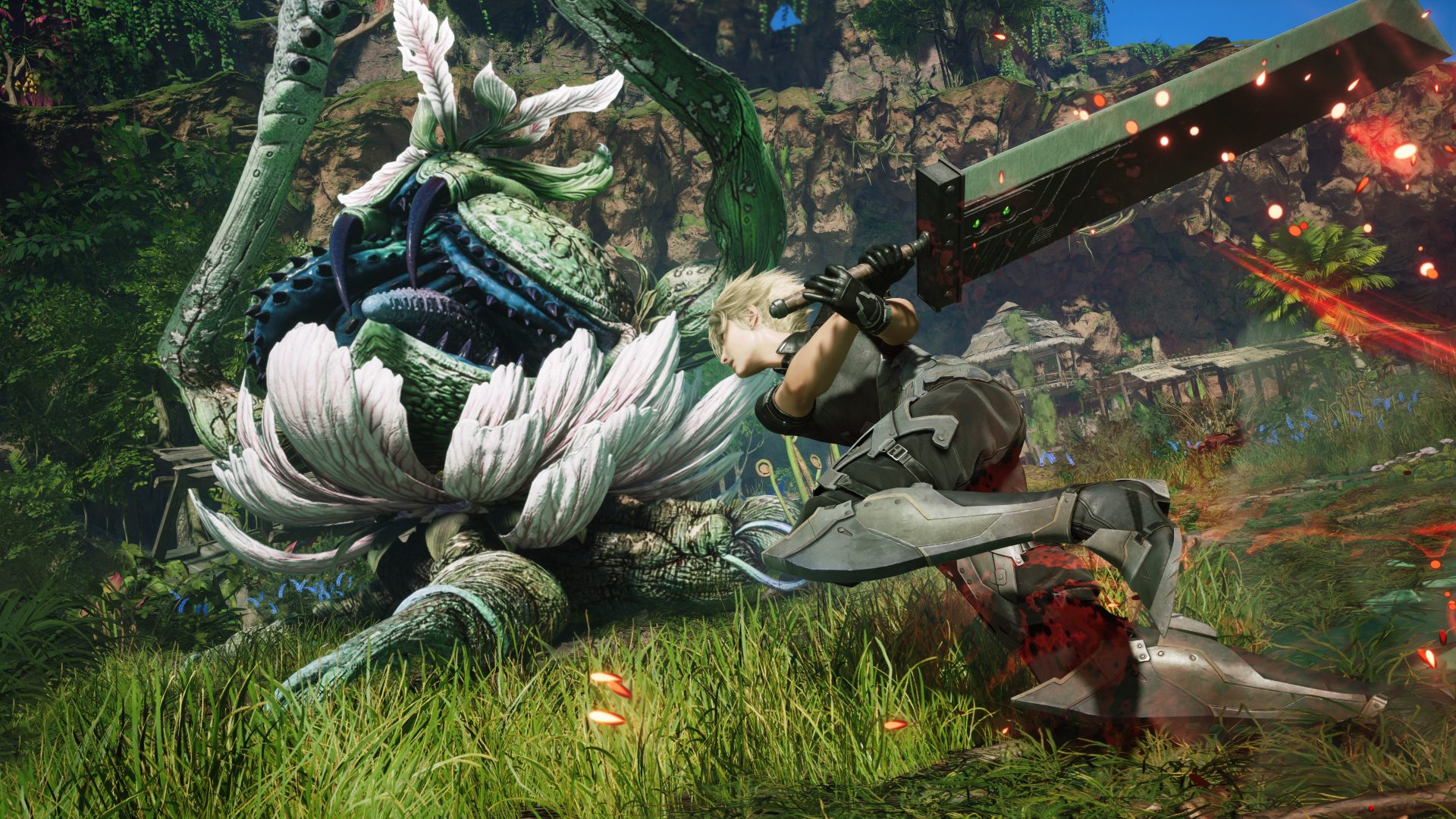
This isn’t just another incremental upgrade in visual fidelity or content. Part 3 will push boundaries further than its predecessors, introducing ray-traced lighting that dynamically shifts with weather conditions, textures refined to near-photorealistic detail, and dungeons rebuilt from the ground up to accommodate these enhancements. The game is designed to run on the same foundation as Parts 1 and 2, but with a performance bar raised higher—supporting 4K resolution, HDR, and variable refresh rate (VRR) where hardware allows.
- Target platforms: PlayStation 5, PC
- Graphics: Ray-traced lighting, adaptive weather effects, next-gen textures
- Gameplay: Expanded combat system, revamped dungeon design
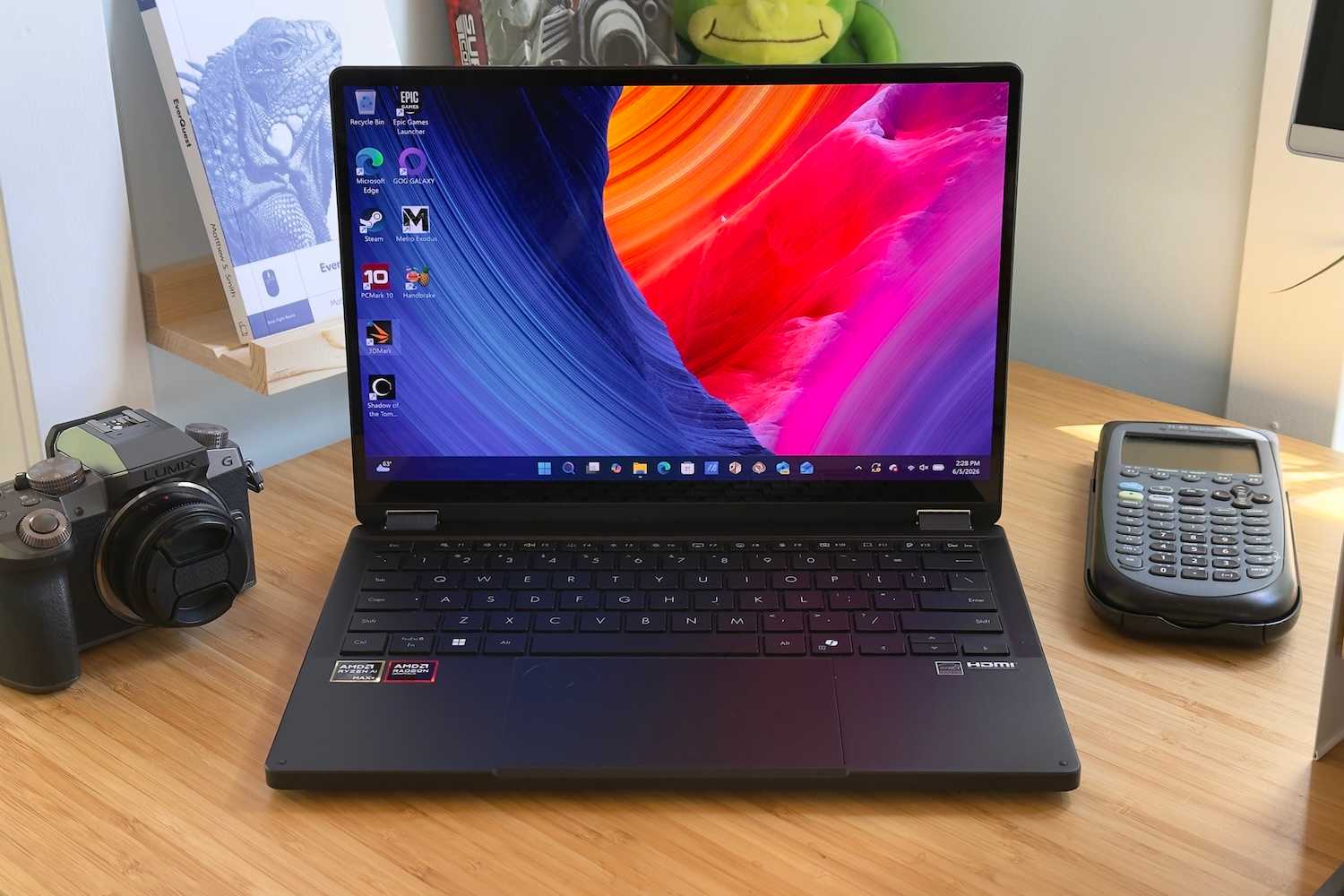
The challenge isn’t whether the game will perform well—it’s whether players will be prepared for it. Previous entries in the series have shown that cutting-edge visuals come with strings attached. Older GPUs, for instance, may struggle to render ray-traced scenes smoothly, leading to frame drops or compromised settings. Storage is another potential chokepoint: Part 3 will require a minimum of 80 GB on an SSD, though the full experience—including all additional content—could stretch that to 150 GB.

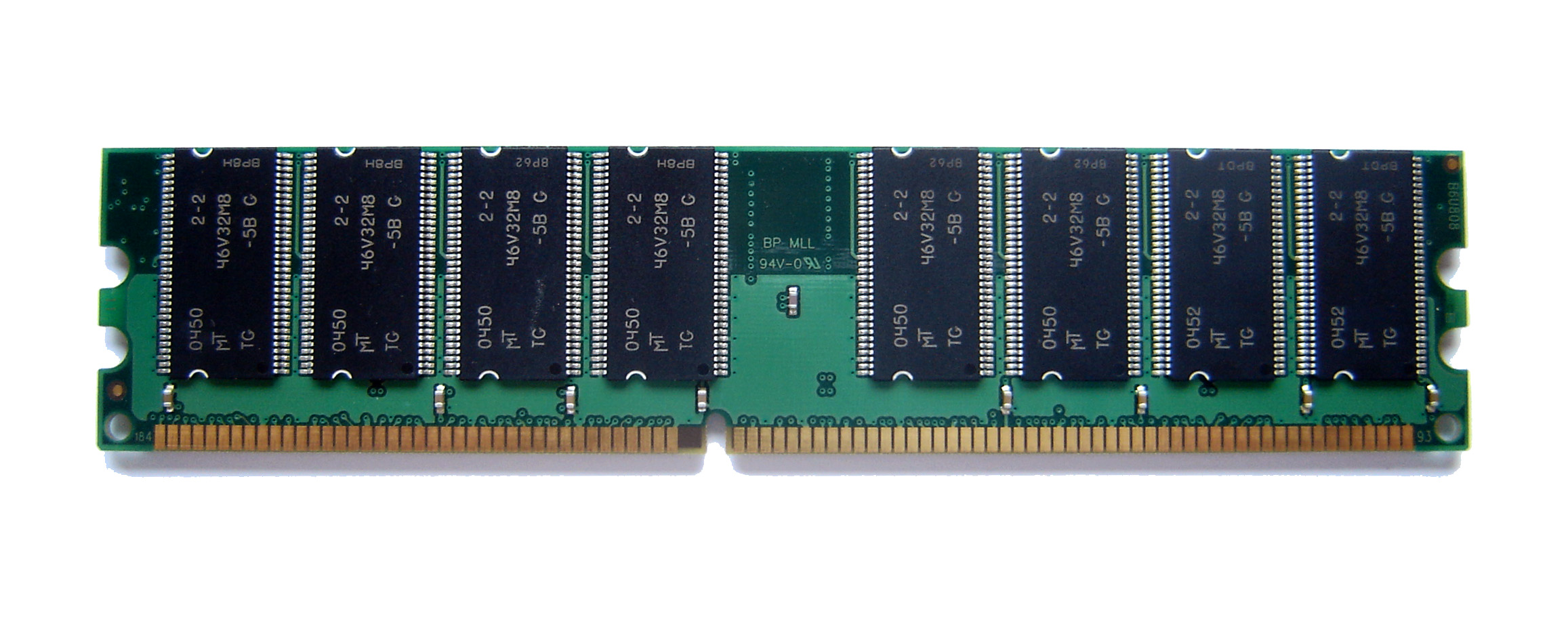
For those already invested in the first two parts, the dilemma is acute. Upgrading now means committing to hardware that may not yet be future-proof, while waiting risks missing out on a narrative and technical milestone in the series. The recommended system specs—32 GB of RAM for optimal performance—suggest this isn’t just a incremental upgrade but a leap forward that demands serious consideration.
Square Enix’s track record with ports suggests that Part 3 will arrive between late 2024 and early 2025, though no official date has been confirmed. The real question is whether the studio’s momentum will translate into a seamless experience for players. If history is any guide, the answer may depend less on the game itself than on the hardware standing in its way.
The stakes are high, but so is the potential reward. For those with next-gen setups, Part 3 could deliver a breathtaking conclusion to one of gaming’s most beloved trilogies. For others, it may serve as a reminder that even the most polished ports require careful navigation.