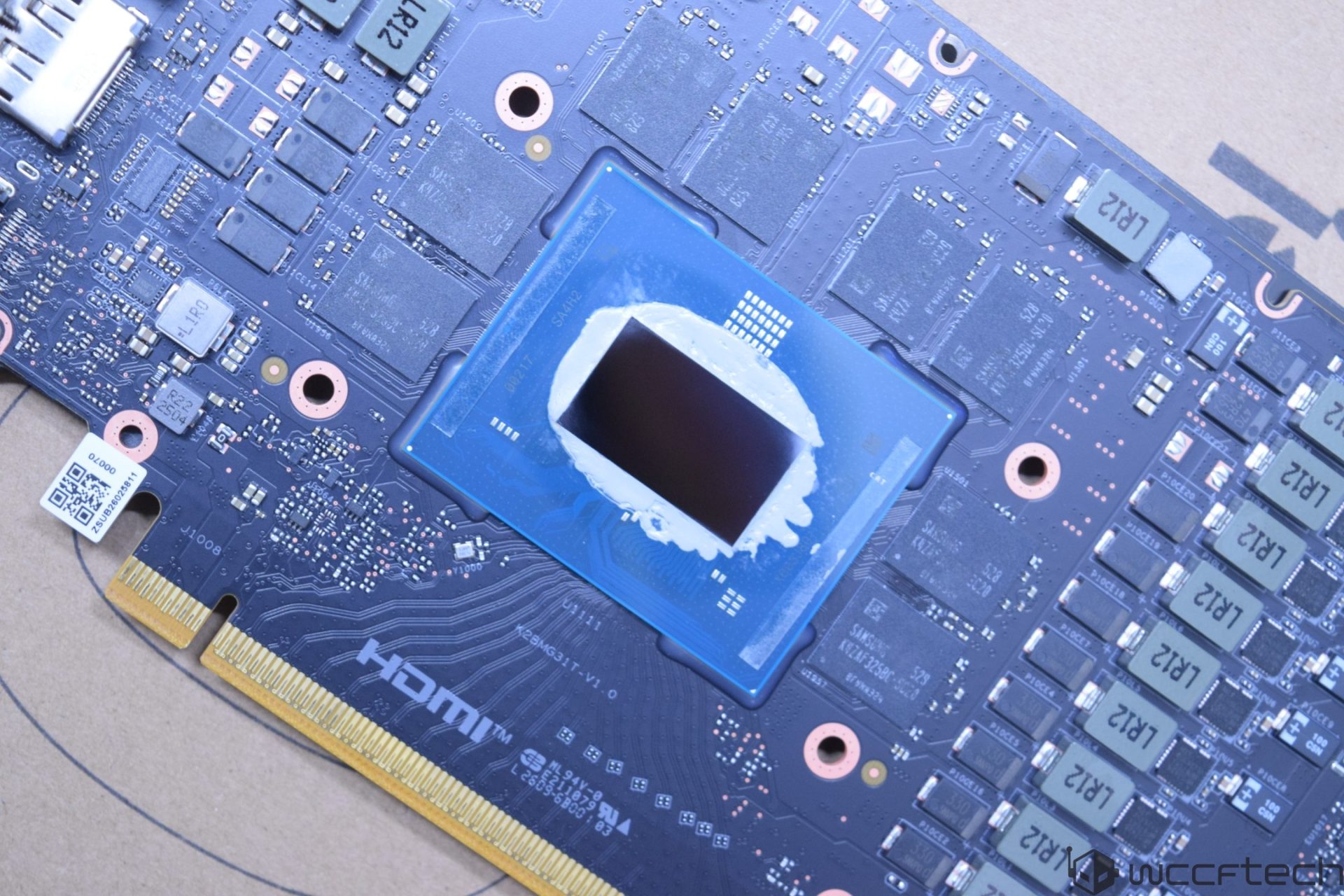
The RDNA architecture has always been synonymous with high-end graphics performance, but its true innovation lies in how it manages power. Unlike traditional CPU designs that prioritize raw processing power at the cost of heat output, RDNA takes a different approach—balancing performance with thermal efficiency. This isn't just about making games run faster; it's about rethinking how gaming hardware consumes energy without sacrificing visual fidelity.
What makes this metric so critical is its impact on next-generation consoles and PC builds. HDMI 2.1 support, already a staple in modern gaming setups, becomes even more relevant when paired with RDNA's power efficiency. This combination allows for higher refresh rates, deeper color accuracy, and smoother gameplay—all while keeping thermal output in check. For developers, this means they can push the boundaries of graphical fidelity without worrying about overheating or power consumption becoming a bottleneck.

- RDNA's power efficiency enables higher performance-per-watt ratios than previous generations.
- HDMI 2.1 support allows for next-gen gaming features like 4K@120Hz and HDR, which demand more efficient thermal management.
- The architecture is designed to handle both high-end PC builds and console-grade efficiency, making it a versatile choice for future hardware.
But the implications go beyond just hardware. For gamers, this means longer play sessions without thermal throttling, quieter operation, and potentially lower power bills. For PC builders, it opens up new possibilities for compact yet powerful systems that don't compromise on performance. And for Valve, whose Steam Machine and Steam Frame projects have already hinted at a shift toward more efficient gaming hardware, RDNA could be the cornerstone of their vision—a device that bridges the gap between console-like simplicity and PC-like power.
The challenge will be scaling this efficiency without sacrificing performance. Early benchmarks suggest RDNA-powered systems outperform 70% of current gaming PCs, but maintaining that edge while keeping thermals in check is no small feat. If Valve can pull it off, the Steam Frame could set a new benchmark for what gamers expect from their hardware—not just in terms of raw power, but in how smartly that power is used.
For now, the focus remains on refining this balance. The memory issues that plagued earlier iterations of the Steam Machine and Frame are still being addressed, but the underlying architecture seems to be on the right path. If the RDNA-powered Steam Frame follows through on its promise, it could redefine what gamers expect from their hardware—not just in terms of performance, but in how efficiently that performance is delivered.