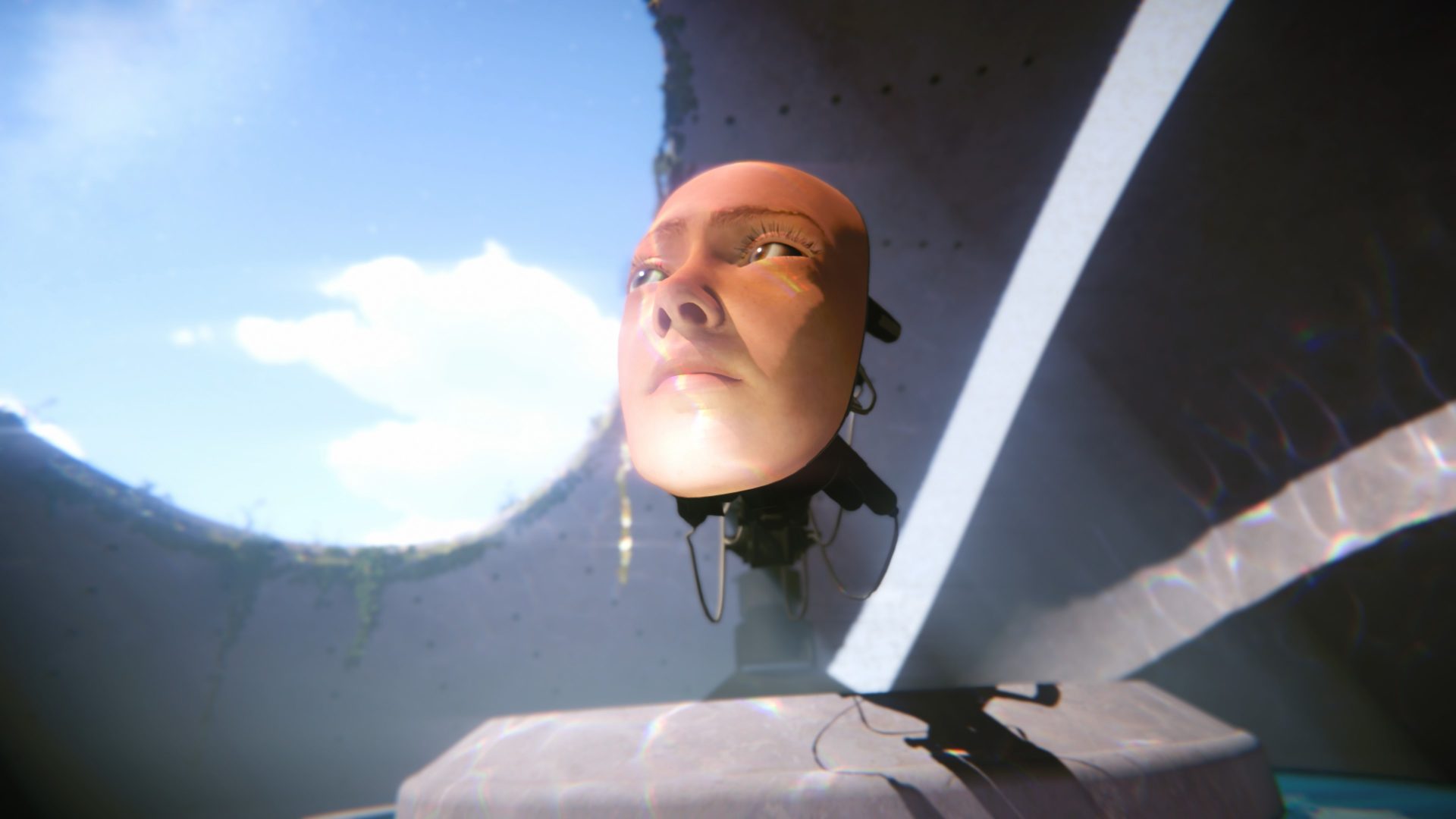
Razer’s latest push into artificial intelligence is less about creating holographic companions for gamers and more about refining how AI interacts with gaming hardware. The company has opened three global AI hubs in late 2025, signaling a shift toward integrating AI into its product ecosystem rather than chasing speculative trends.
Among the projects under development are Project Motoko—a headset that blends augmented reality with gaming inputs—and Project Ava, an AI assistant designed to offer real-time gaming insights. Unlike earlier iterations of backseat AI bots, this version leverages xAI’s Grok model for deeper engagement. Razer’s CEO, Min-Liang Tan, describes the approach as intuitive rather than rigidly financial, prioritizing projects that excite the company first.
While Project Ava has drawn comparisons to animated virtual assistants seen in sci-fi, Tan clarifies that Razer is not aiming to foster emotional attachments. Concerns about AI-driven relationships—already observed with chatbots and even vehicles—are acknowledged but dismissed as a development risk rather than a design goal. The company’s focus remains on utility, such as AI-powered quality assurance tools for developers.

The partnership with xAI introduces complexities, particularly given recent controversies around Grok’s deepfake capabilities. Tan avoids direct commentary on trust and safety, instead emphasizing the need for high-quality conversational models. Razer’s stance suggests a cautious but determined approach to AI integration, balancing innovation with practicality.
Despite its experimental nature, Razer’s CEO predicts AI will permeate every industry, from healthcare to entertainment. The company’s strategy hinges on avoiding 'AI slop'—low-effort content generated from minimal prompts—and instead fostering AI that enhances creativity and design. Whether this vision translates into market success remains an open question.