A creator working on a high-end project suddenly finds the cost of essential components dropping. It seems like an opportunity too good to miss—until they realize that the savings come with hidden trade-offs.
RAM prices have indeed fallen, but the reasons behind this shift are more nuanced than they appear at first glance. The drop is not uniform across all capacities or form factors, and supply chain dynamics remain unpredictable. Buyers who rush into purchases without careful consideration may end up locked into platforms that limit future upgrades or face compatibility issues with emerging hardware standards.
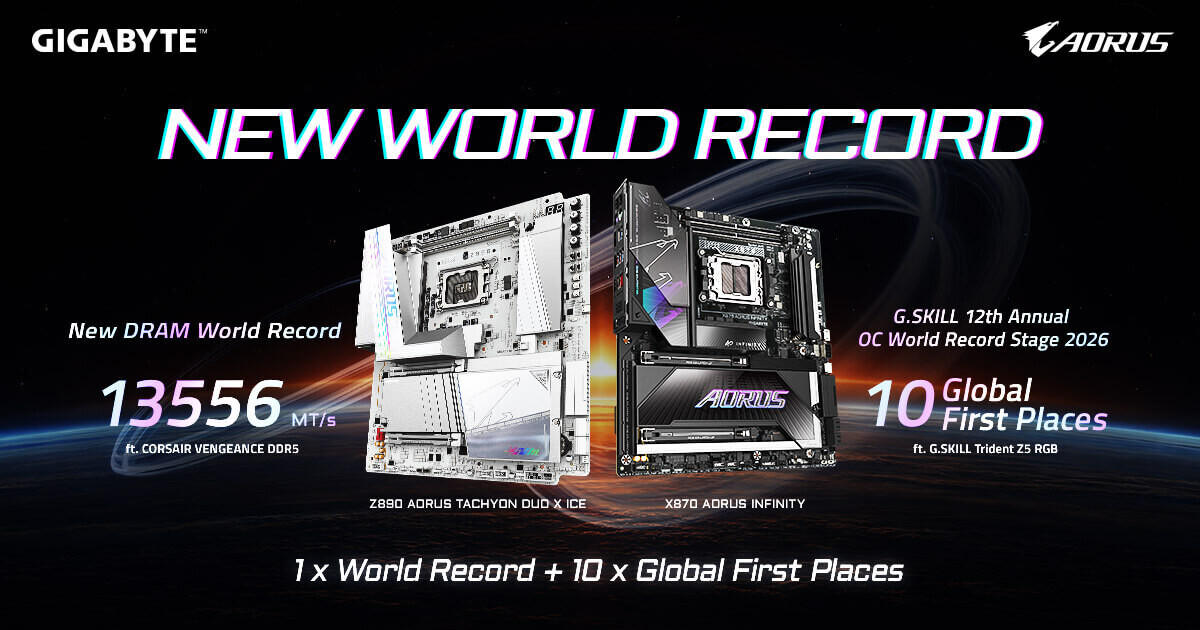
The most immediate change is in the pricing of DDR5 memory modules. Prices for 16GB kits have decreased by roughly 20% over the past month, bringing them closer to parity with DDR4 equivalents in some cases. This shift is driven by a combination of increased production capacity and softer demand from consumers, though industry analysts caution that the market remains volatile.
One key factor to watch is the balance between supply and demand. While manufacturing output has stabilized, stock levels are still unevenly distributed across regions. Retailers with better inventory management have been quick to adjust prices, but smaller sellers may lag behind, creating inconsistencies in pricing and availability. Additionally, the introduction of new motherboard chipsets designed for DDR5 has not yet fully offset the decline in DDR4 demand, leaving some buyers caught between two incompatible ecosystems.
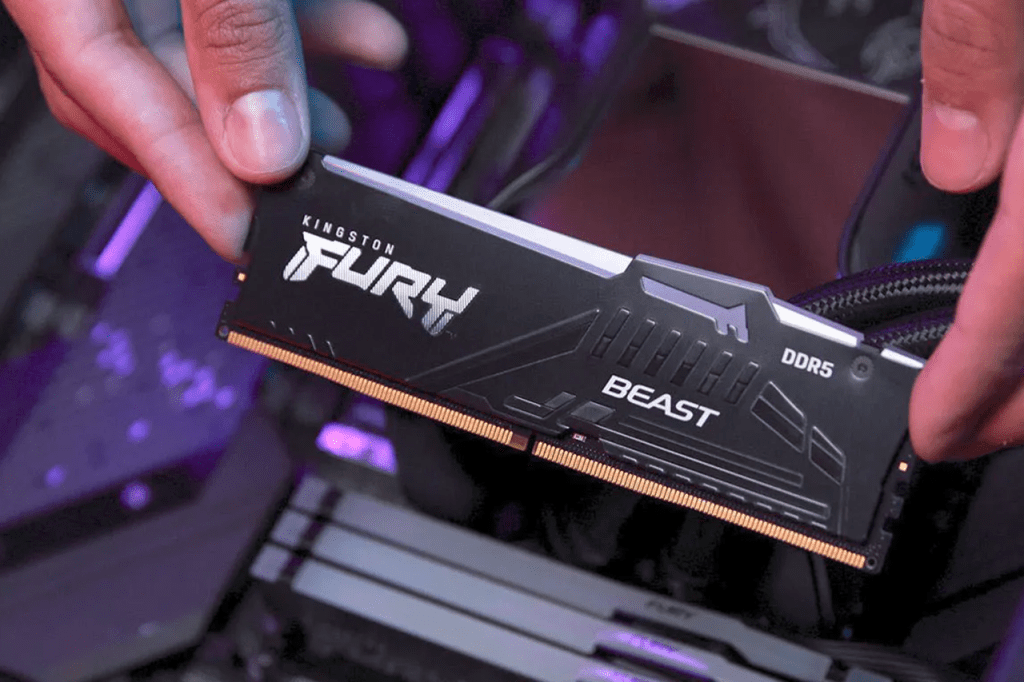
For creators who rely on high-bandwidth memory for rendering or 3D modeling, the drop in RAM prices is a welcome development. However, the trade-off lies in platform lock-in. Many newer motherboards now require DDR5, which means that upgrading from an existing DDR4 system could lead to compatibility issues if future hardware follows suit. This creates a dilemma: should buyers invest in cheaper DDR5 modules now or wait for prices to stabilize further while risking being left behind by the next generation of platforms?
Another consideration is the potential for price fluctuations. The market for memory modules has historically been prone to sudden swings, often influenced by geopolitical factors or shifts in global supply chains. While current trends suggest a downward trajectory, there is no guarantee that prices will continue to fall at the same rate. Buyers should monitor industry reports and retailer announcements closely to avoid making decisions based on short-term trends.
In the end, the drop in RAM prices offers a rare opportunity for savvy buyers, but it comes with the responsibility of weighing long-term compatibility against immediate savings. Creators who prioritize flexibility may find that waiting a few months could yield better options without sacrificing performance or future-proofing their setups.