Enterprise buyers evaluating semiconductor partners now face a new dynamic: Qualcomm’s global semiconductor operation has gained a high-level executive with deep experience in foundry services, while Intel continues to navigate leadership shifts in its own manufacturing division.
The move sees Kevin O'Buckley transition from his role as senior vice president and general manager of Intel Foundry Services to executive vice president of global operations and supply chain at Qualcomm. In this new position, he will oversee semiconductor manufacturing engineering, foundry partnerships, supplier relationships, and procurement—a broad remit that reflects Qualcomm’s expanding ambitions in the chip market.
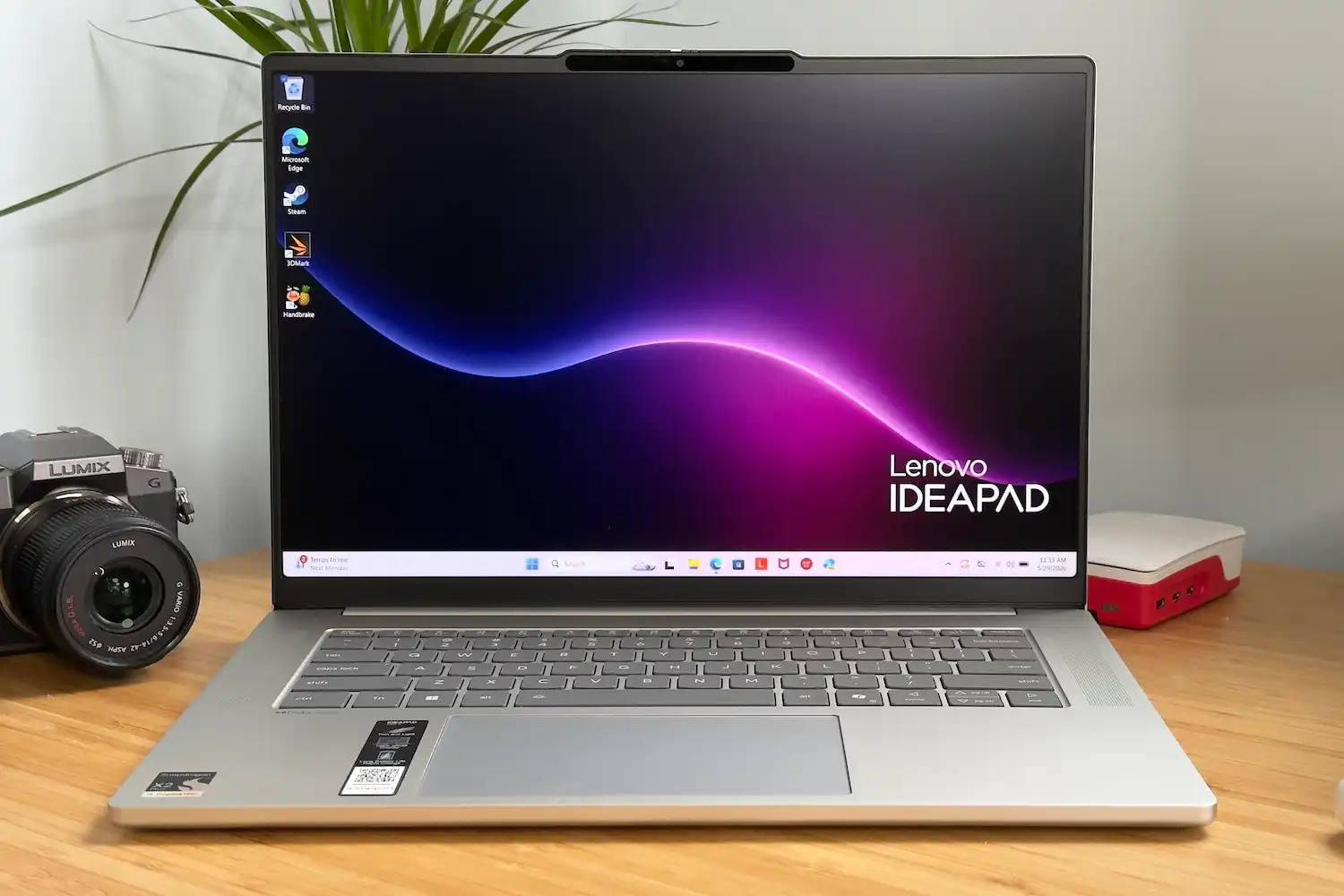
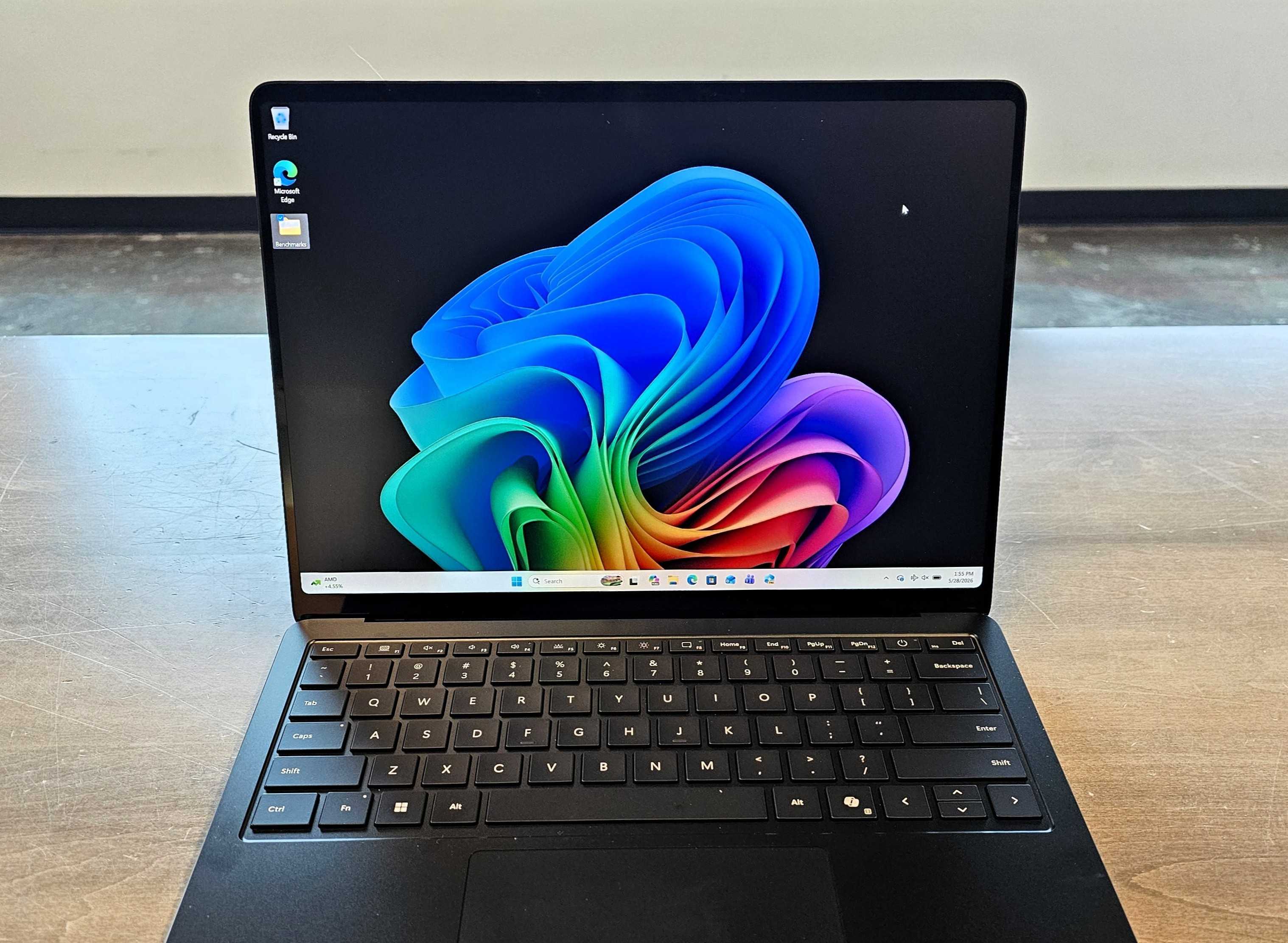
For Qualcomm, this recruitment is a strategic reinforcement as it accelerates its push to produce more Arm-based chips for laptops, aligning with Microsoft’s Windows on Arm initiative. The company’s current flagship product in this space is the Snapdragon X2 Elite, signaling a focus on high-performance computing solutions that could redefine enterprise and consumer hardware landscapes.
O'Buckley’s background spans Intel, IBM, Marvell Technologies, and GlobalFoundries, offering Qualcomm a blend of foundry expertise and supply chain management critical for scaling production amid ongoing semiconductor demand challenges. Reports suggest securing manufacturing capacity—particularly from TSMC—has become increasingly competitive, with long-term contracts now a common requirement.
Intel’s response to this departure remains uncertain. Under the leadership of CEO Lip-Bu Tan, the company has taken steps to stabilize its foundry operations, including restructuring roles and integrating manufacturing more closely under CTO Naga Chandrasekaran. However, Intel’s ability to retain key talent while balancing government pressures—such as the U.S. stake in its chipmaking efforts—could influence its long-term competitiveness.
While Qualcomm benefits from O'Buckley’s expertise, Intel faces ongoing uncertainty about its manufacturing roadmap. Earlier this year, Tan hinted at potential delays for future nodes unless major customers were secured, a stance that has since softened but reflects the challenges of rebuilding foundry leadership. The company’s recent success with the Panther Lake chip, partially manufactured by Intel Foundry on 18A, suggests progress, but securing high-profile contracts remains a priority.
The semiconductor landscape is evolving rapidly, with enterprise buyers increasingly evaluating partners based on both technical capability and strategic alignment. For Qualcomm, this recruitment strengthens its position in the foundry market, while Intel must navigate leadership transitions without losing momentum in its own recovery efforts.