A new digital tool is redefining how travelers interact with train stations. By aggregating years of field research and architectural documentation, a developer has constructed over 2,500 realistic 3D models of railway stations in Europe and North America. These models go beyond simple visuals, incorporating precise details on track layouts, transfer points, and station geometry to provide an immersive wayfinding experience for commuters and long-distance travelers alike.
The project, built from a decade-long effort of manual surveys and public data integration, presents stations in a format that mimics real-world proportions and architectural styles. Users can explore these digital replicas through an intuitive interface, using either a map-based search or direct station selection to access detailed 3D views. This approach addresses a common pain point for rail passengers—navigating unfamiliar stations with multiple platforms and connections—by offering a pre-travel planning tool that reduces confusion during transfers.
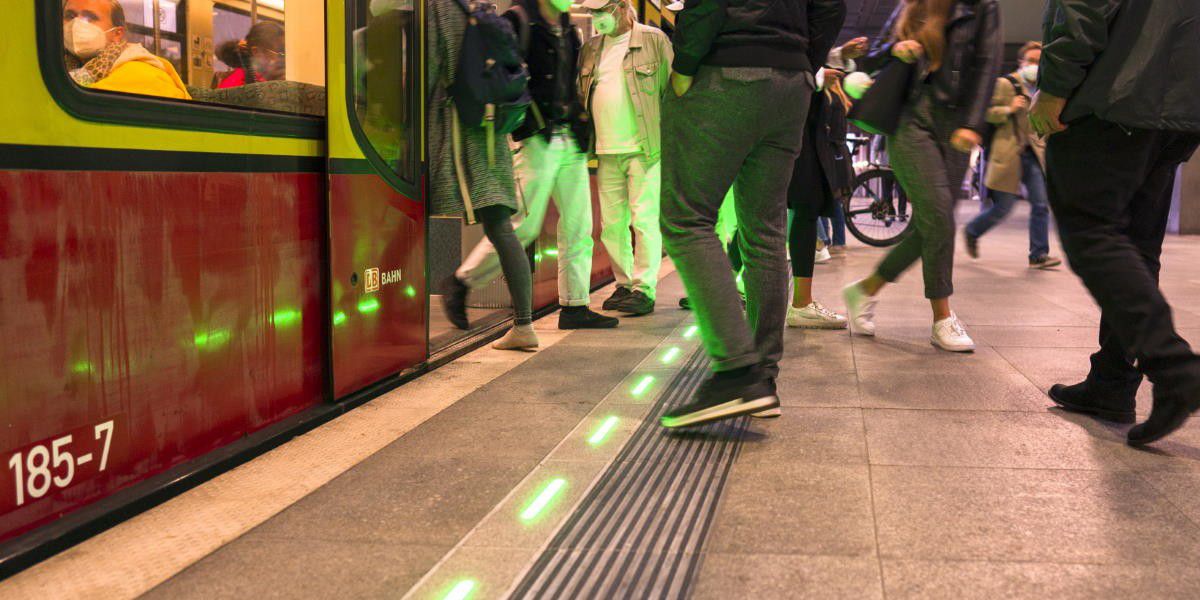
Technically, the models achieve high fidelity by combining on-site measurements with publicly available architectural records. The result is a level of detail that captures not only the physical structure but also the operational layout of each station, including platform positions and track configurations. This precision is particularly valuable for travelers in major transit hubs where missteps can lead to missed connections or longer walking distances.
While the current implementation focuses on European and North American stations, the underlying methodology suggests potential for expansion to other regions. For power users who rely on rail travel for efficiency, this tool represents a step forward in digital infrastructure that bridges the gap between abstract transit maps and real-world navigation. The next phase will likely involve testing how such models can integrate with real-time train scheduling data, further enhancing their practical utility.
The initiative also highlights an emerging trend where hyper-detailed 3D environments are being used to solve logistical challenges beyond traditional mapping. As compute power continues to improve, these types of applications could become standard for urban mobility planning, offering both travelers and transit authorities a more intuitive way to manage complex systems.