For gamers chasing pixel-perfect lighting and reflections, path tracing offers the most realistic visuals available—but at a steep cost to GPU performance. Even high-end cards like the RTX 5090 struggle to maintain playable frame rates without heavy upscaling, yet the gap between path tracing and traditional ray tracing is narrowing faster than expected.
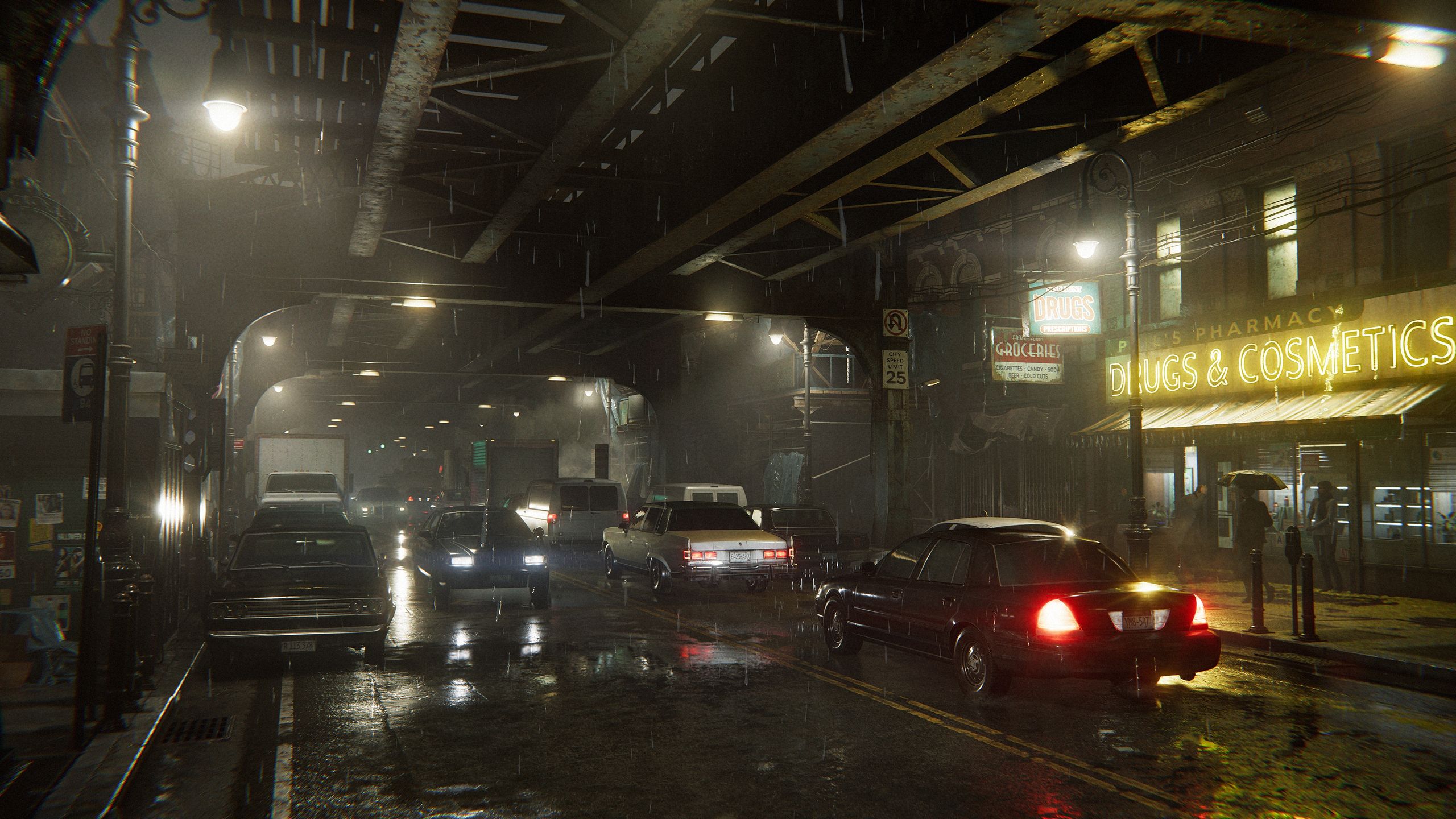
Take the RTX 3060 Ti as an example: it manages path tracing in Resident Evil Requiem, albeit at single-digit frame rates. The card’s 4 MB of L2 cache and 8 GB VRAM simply aren’t enough to handle the workload efficiently, but even newer GPUs like the RTX 4070—with double the shader units and significantly more cache—see a dramatic drop in performance when path tracing is enabled.
The RTX 5090, Nvidia’s most powerful consumer GPU with 21,760 shader units and 24 GB VRAM, fares slightly better but still hits around 60 FPS at 4K with DLSS Performance. This highlights a critical challenge: path tracing isn’t just demanding—it’s exponentially more so than standard ray tracing.
- Shader Units: RTX 5090 (21,760) vs. RTX 5080 (14,176)
- L2 Cache: 50% more in the RTX 5090
- VRAM: 24 GB (RTX 5090) vs. 16 GB (RTX 5080)
Yet, the performance gap isn’t as wide as it once was. The RTX Titan, a $2,500 card from Nvidia’s Turing era, had fewer than half the shader units of today’s RTX 5080 and 91% less L2 cache—but even it outperforms in ray tracing scenarios compared to newer budget cards like the RTX 5060 Ti. This suggests that hardware advancements are directly addressing path tracing’s inefficiencies.
AI-driven acceleration, including upscaling and frame generation, is already mitigating some of the strain. Future technologies like neural shading and texture compression could further reduce computational load, potentially making path tracing as accessible as ray tracing in just a few years. For now, though, it remains a premium feature—one that demands both high-end hardware and patience.
Availability for Resident Evil Requiem is not yet confirmed, but the trend toward more efficient path tracing implementation is clear: it won’t be long before even mid-range GPUs can handle it without breaking a sweat.