The PlayStation 6 isn't just another console; it's a statement about what comes next for gaming hardware. Unlike previous generations, it doesn't just aim to outperform—it promises to evolve alongside games, offering a path that could extend its relevance for years. Yet whether that path is smooth or stumbling remains an open question.
At the heart of this debate lies a simple but critical choice: will the PS6's design choices empower gamers, or will they create roadblocks that limit future flexibility? The answer may hinge on how well Sony balances performance with practicality—a challenge no console has fully mastered before.
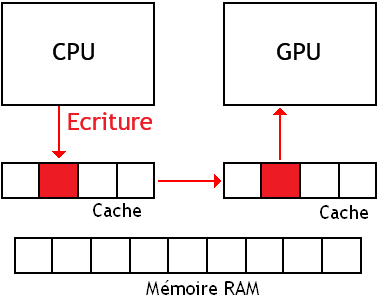
The PS6 introduces several technical leaps, starting with its core architecture. It shifts from a traditional CPU-GPU pairing to a more integrated approach, similar in philosophy to what's been explored in other markets but tailored specifically for gaming. This isn't just about clock speeds or cores; it's about rethinking how data flows through the system, potentially reducing bottlenecks that have plagued previous generations.
But integration brings its own set of trade-offs. A unified architecture can streamline performance, but it also risks locking in certain limitations. For example, the PS6's memory subsystem is designed to work seamlessly with its CPU and GPU, but whether this flexibility will translate into real-world benefits for developers—and by extension, players—is still unclear. Early benchmarks suggest improvements in raw power, but the question of long-term adaptability remains.

Context matters here. Gamers today expect more than just incremental upgrades; they want hardware that can keep pace with evolving game design. The PS5 already pushed boundaries with its SSD and variable refresh rate features, but the PS6 aims to go further by embedding those capabilities deeper into the system. If successful, this could mean fewer hardware limitations for developers, leading to games that push visual and technical boundaries without constant hardware refreshes.
Yet history offers a cautionary tale. Previous consoles, including the PlayStation 4, faced criticism for not fully leveraging their potential due to architectural constraints. The PS6's design must avoid repeating those mistakes while also addressing new challenges, such as managing power efficiency and thermal performance in an era where games are becoming increasingly demanding.
The implications of this approach could be significant. If the PS6's upgrade path proves robust, it could set a new standard for console longevity, giving players more reasons to invest in a single piece of hardware over multiple generations. But if the trade-offs become too restrictive, gamers may find themselves stuck with a system that can't keep up with future innovations—no matter how powerful it is today.
For now, the PS6's roadmap remains a work in progress. What's confirmed is its focus on performance and integration, but the details of how this will play out over time are still emerging. Gamers who prioritize flexibility and long-term investment may find value here, but those who need constant upgrades could be left behind. The real test will be whether Sony can deliver on its promises without sacrificing the practicality that players demand.