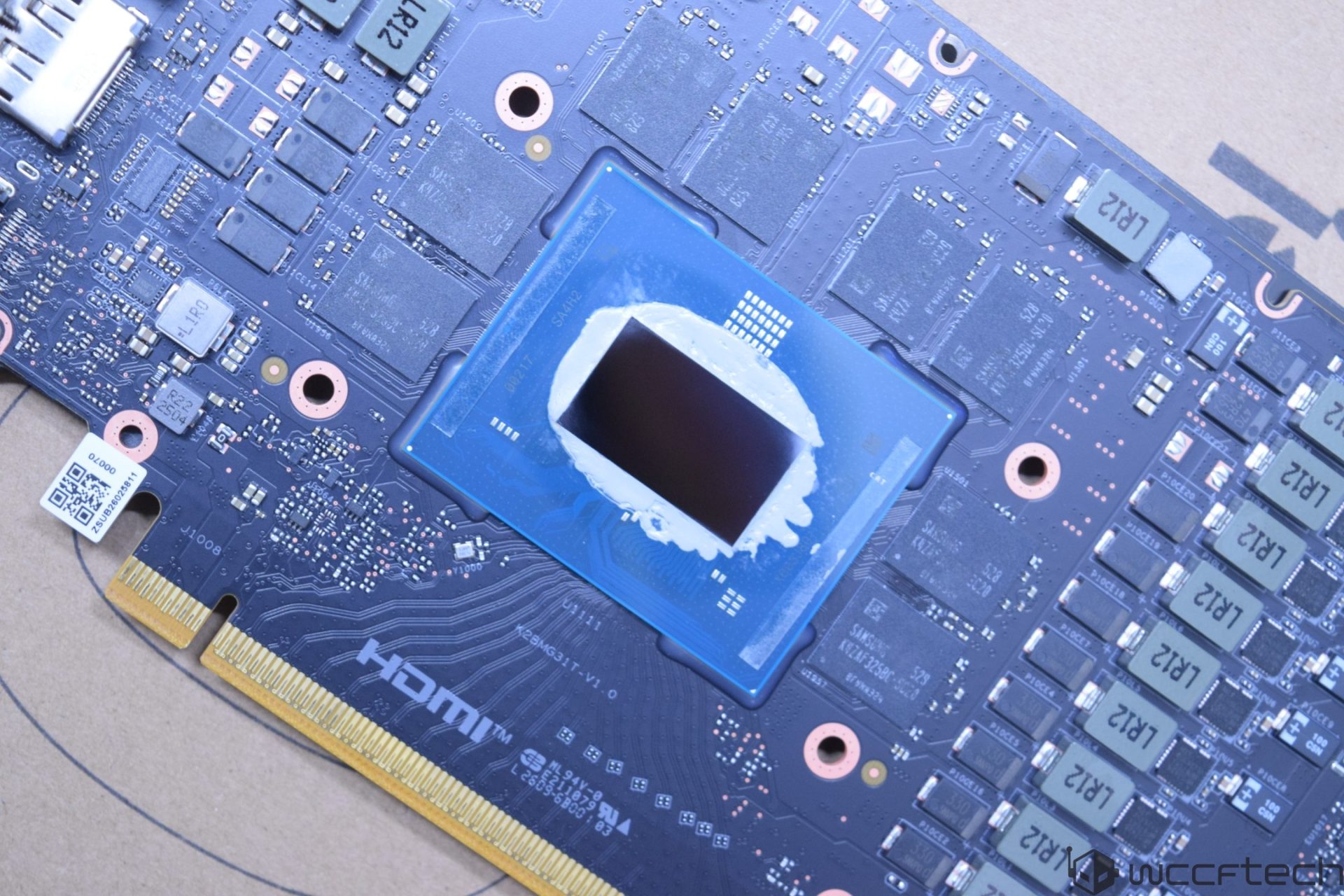
The next generation of gaming is already testing the limits of today’s hardware. Developers are pushing consoles like never before, squeezing every last ounce of performance from constrained memory and resolution targets. Now, those same constraints are turning into cost pressures that could force a significant realignment in PlayStation pricing.
Rumors suggest Sony may raise prices across its entire PS5 lineup, including the base Digital model, the premium Slim edition, and even the compact Portal device. While no official announcements have been made, reports indicate a possible increase to €649.99 for the PS5 Slim (up from €549.99) and €899.99 for the Pro (up from €799.99). The Portal would follow suit, jumping to €249.99 from its current €219.99.
Positioning in a Shifting Market
If these changes take hold, the PS5 lineup would see a dramatic widening of its price tiers. The Slim and Pro models, already positioned as high-end options, would now sit even further apart—with the Pro’s €250 premium becoming more pronounced than ever. This shift could make the decision between current-gen upgrades and waiting for a next-generation system even more critical for players.
Key Adjustments on the Horizon
- PS5 Slim: €649.99 (previously €549.99)
- PS5 Pro: €899.99 (previously €799.99)
- PlayStation Portal: €249.99 (previously €219.99)
The Digital model, which has so far avoided price hikes, is also expected to rise by the same margin, though no confirmation exists yet.
Broader Implications for Gaming’s Future
For developers, this shift would add another layer of complexity. Memory costs have surged, and any increase in hardware prices could delay projects already stretching performance limits—particularly those targeting 4K output or advanced effects like ray tracing. For players, the change introduces a tougher choice: invest in upgraded current-gen hardware now or hold out for what may be a next-generation leap.
Sony’s last round of PS5 Digital price adjustments came in 2025, and if this trend continues, future increases could arrive even sooner. The industry-wide cost pressures showing no signs of easing suggest that these changes will ripple globally, not just regionally.
The most significant shift isn’t just the numbers—it’s the broader realignment of PlayStation’s hardware strategy. As memory costs climb and performance demands grow, the balance between current-gen upgrades and future-proofing will define gaming’s next phase.