Smart lighting has long been a cornerstone of connected homes, but Philips Hue has maintained its reputation for premium quality—even if that comes with a higher price tag. That may finally be changing, with a 3-pack of Hue bulbs now available for $80, a significant reduction that could open the door to more users. Yet, as the smart home market becomes increasingly competitive, this discount raises as many questions as it answers.
The Hue system has always stood out for its reliability and seamless integration with other smart devices. Unlike cheaper alternatives that often require additional hubs, Hue bulbs connect directly to a router without extra hardware, a feature that was groundbreaking when the market was still developing. Today, however, that advantage comes with trade-offs—both in cost and long-term flexibility.
What’s Changing: A Discount with Caveats
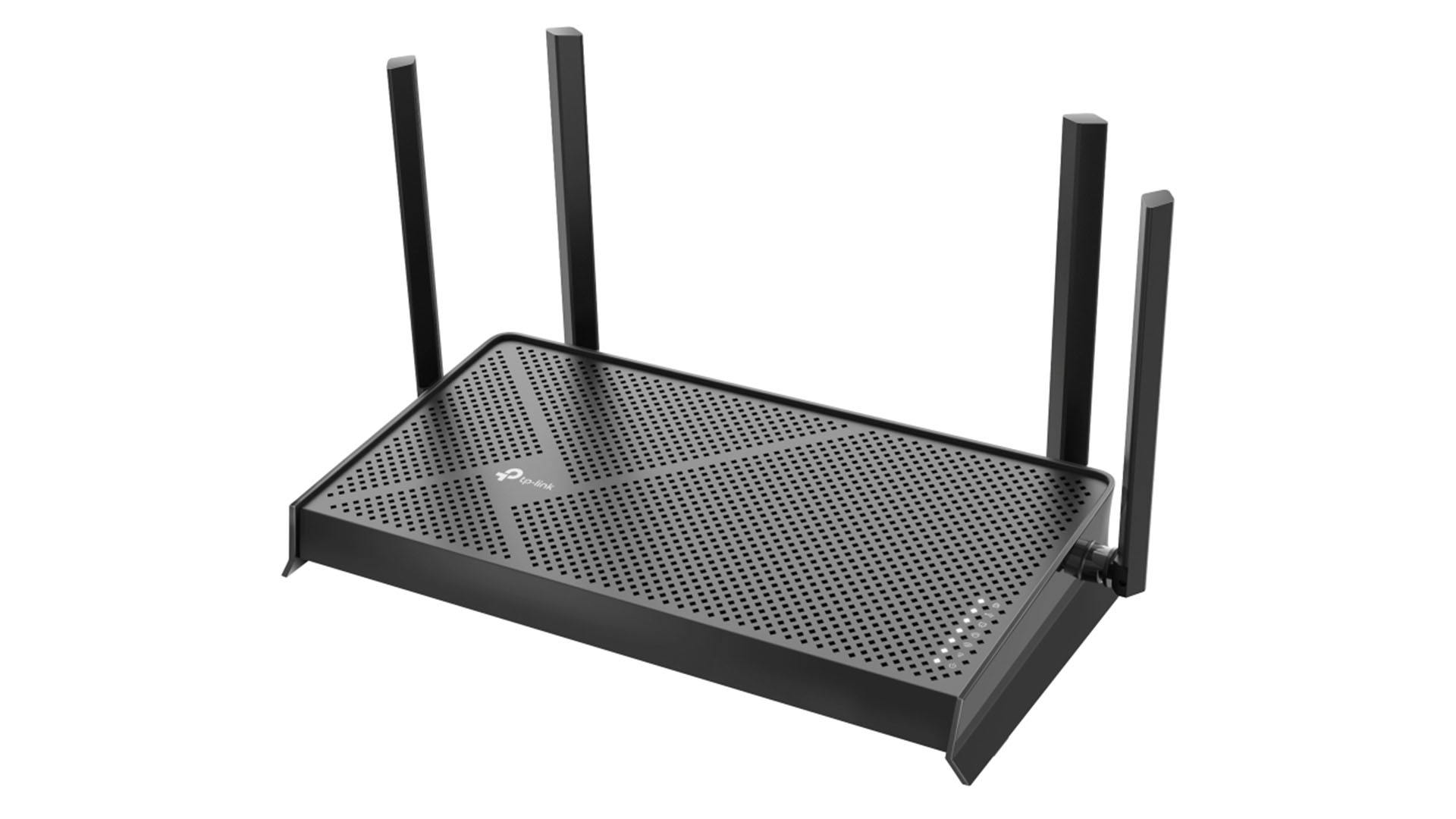
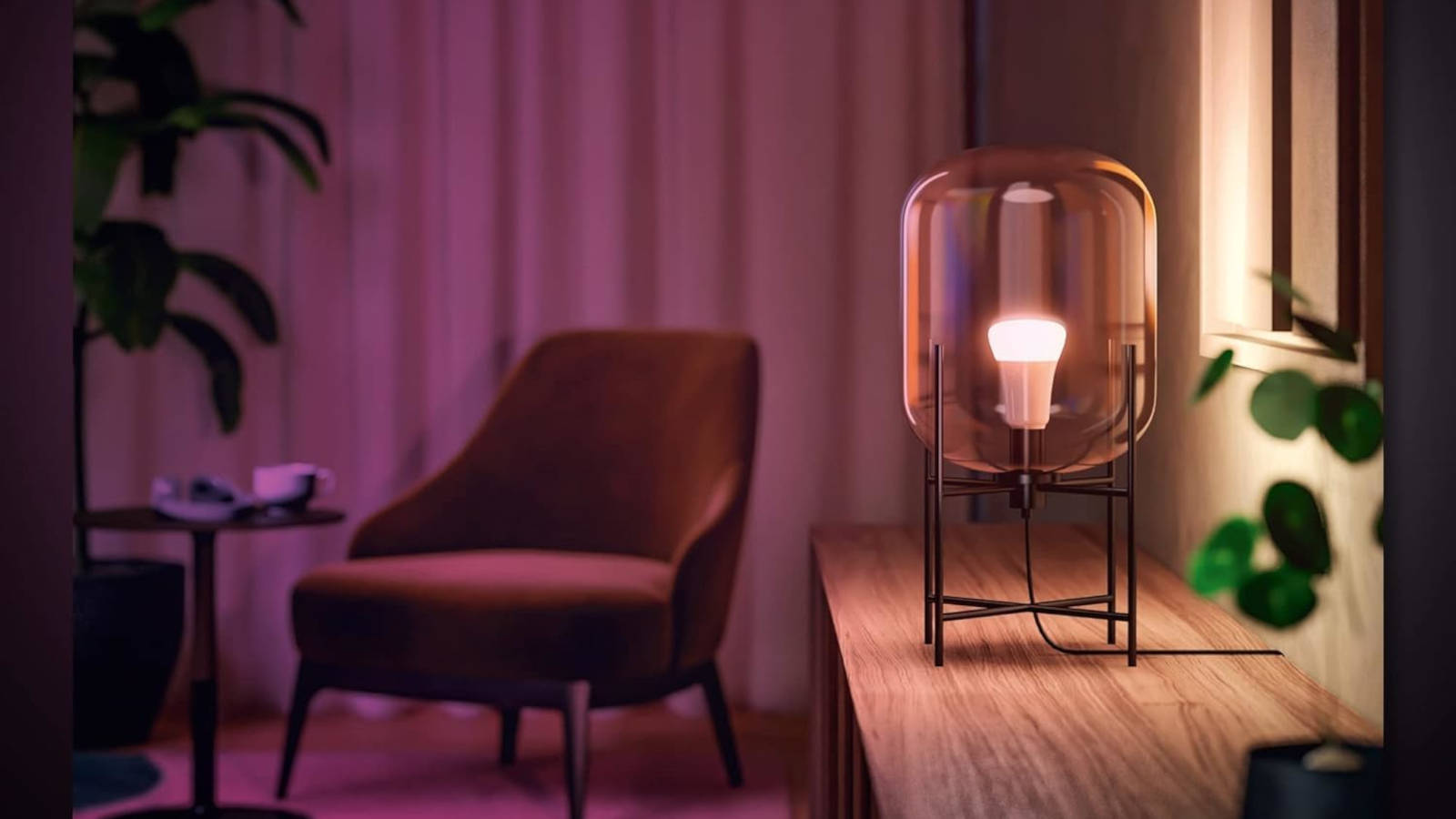
The $80 price for three Hue bulbs is the lowest ever seen, but it doesn’t come without conditions. Earlier this year, Philips introduced its second-generation bulbs, which support Matter—a universal smart home protocol designed to ensure compatibility across Apple HomeKit, Google Home, and Amazon Alexa. In theory, this should eliminate the need for a dedicated Hue bridge for basic functions. However, full Matter support remains unfinished, and the original Hue bridge is still required for advanced features like color control and scene scheduling.
- Key specifications:
- Price: $80 (3-pack)
- Bulb type: A19 (standard shape)
- Color accuracy: 90% Admissibility
- Lifespan: Up to 25,000 hours
- Power consumption: ~6W per bulb at full brightness
- Connectivity: Bluetooth + Zigbee (Matter support promised but not yet available)
The discount is welcome, but the rest of the Hue ecosystem remains expensive. A single Hue bridge still retails for $79, and expanding beyond three bulbs or adding smart switches quickly adds to the cost. This leads to a critical question: Is this price cut a genuine effort to attract new users, or is it a strategic move to keep existing customers tied to an older, more expensive infrastructure?
Why It Matters: The Cost of Ecosystem Dependency
Smart lighting has evolved far beyond novelty. Today’s consumers expect interoperability, voice control, and automation that works across multiple platforms—not just within a single brand’s ecosystem. Philips Hue was an early leader in this space, but its reliance on proprietary hardware has left it playing catch-up as competitors like LIFX and TP-Link Kasa offer more flexible and often cheaper alternatives.
Hue’s strength lies in its color accuracy and sophisticated software features, such as adaptive lighting that adjusts to room occupancy. However, these advantages come with a higher upfront cost, and the lack of full Matter support means users remain dependent on Philips’ ecosystem—even if they want to switch to a different smart home platform later.
Looking Ahead: Will Hue Adapt or Stay Behind?
The $80 deal is undeniably good for those who need three bulbs and can tolerate the current limitations. But for larger installations or businesses, the value becomes less clear. If Philips doesn’t accelerate Matter integration or reduce the cost of bridges and accessories, Hue risks becoming a niche product for enthusiasts rather than a mainstream smart home solution.
For now, the best approach may be to wait and see if future updates unlock more flexibility. Those who invest now could save money upfront but may find themselves stuck with an ecosystem that doesn’t evolve as quickly as competitors. The real question isn’t whether Hue is worth it today—it’s whether Philips will make it worth it tomorrow.