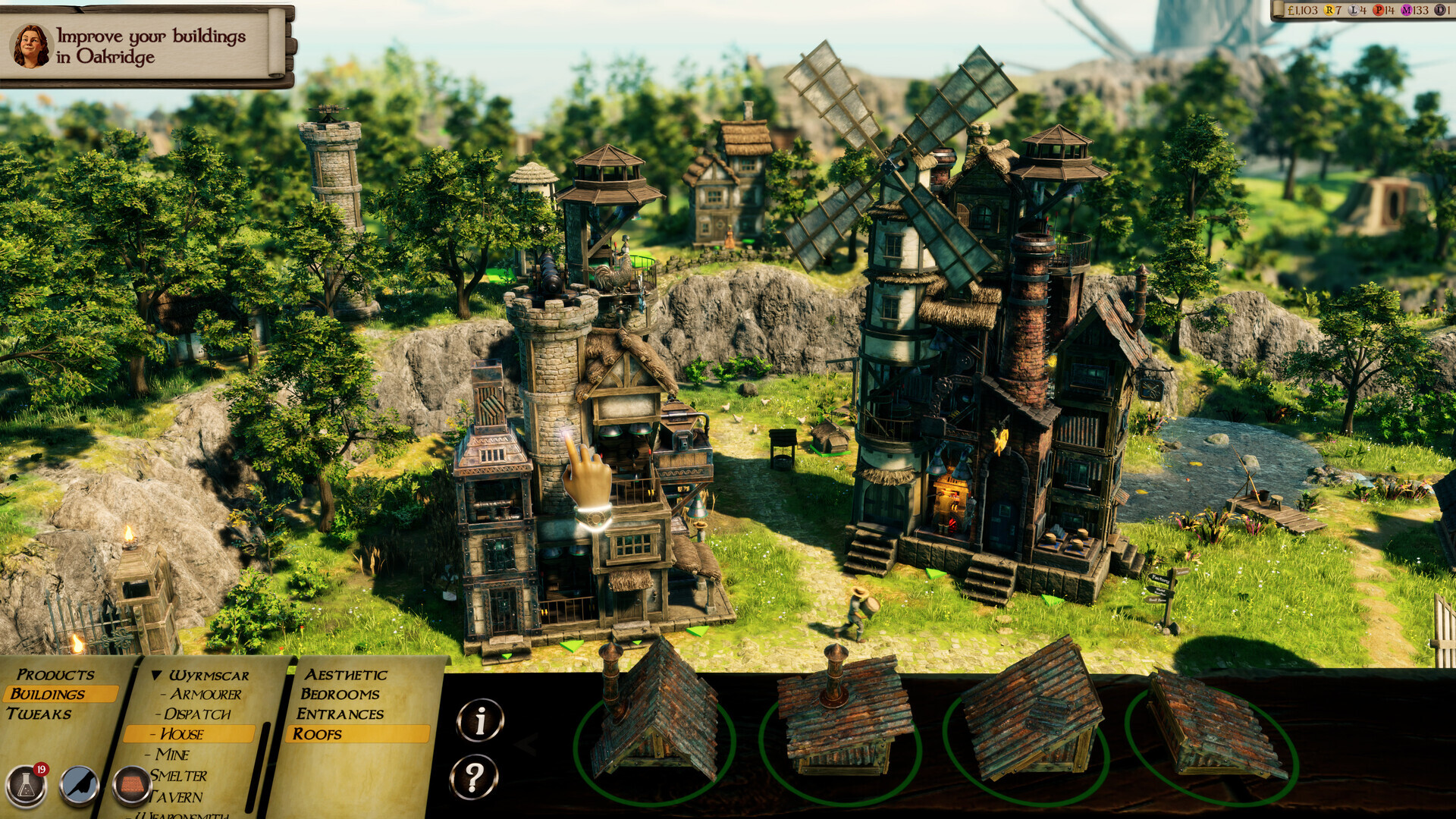
Pearl Abyss is updating how it handles AI-generated content in its games. The change comes after criticism that the company failed to clearly disclose when artificial intelligence was used to create in-game artwork.
The new policy requires developers to label any AI-assisted art and undergo additional reviews to ensure transparency with players. While this doesn’t eliminate AI tools entirely, it imposes stricter controls on their use, marking a shift toward accountability in game development workflows.
AI-generated assets have become common in game production, often used for background elements or non-critical visuals. However, Pearl Abyss’ previous lack of clear disclosure led to confusion among players about the origins of certain artwork. The revised guidelines now mandate that any AI involvement must be explicitly stated, whether in concept art, textures, or environmental details.
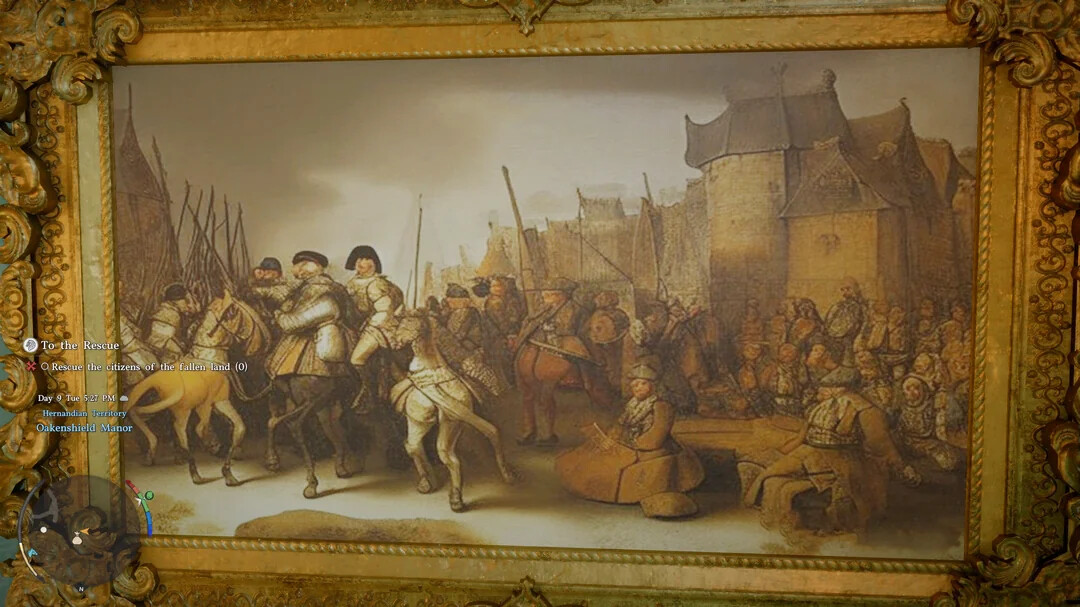
This move reflects broader industry trends where game studios are re-evaluating their reliance on AI tools. While AI can speed up asset creation and reduce costs, the trade-off is often a loss of artistic nuance that players expect from traditional handcrafted work. Pearl Abyss’ new approach aims to balance efficiency with authenticity, ensuring that players aren’t misled about what they’re seeing in-game.
For enterprise buyers considering AI integration into content creation pipelines, this case serves as a cautionary example. The risk of platform lock-in isn’t just technical—it’s also reputational. Players and regulators increasingly scrutinize how AI is deployed, making transparency not just an ethical choice but a strategic necessity. Studios that fail to address these concerns risk eroding trust, which in competitive markets can be irreversible.