Data centers are already drowning in bandwidth, but the next PCI Express generation aims to drown them deeper.
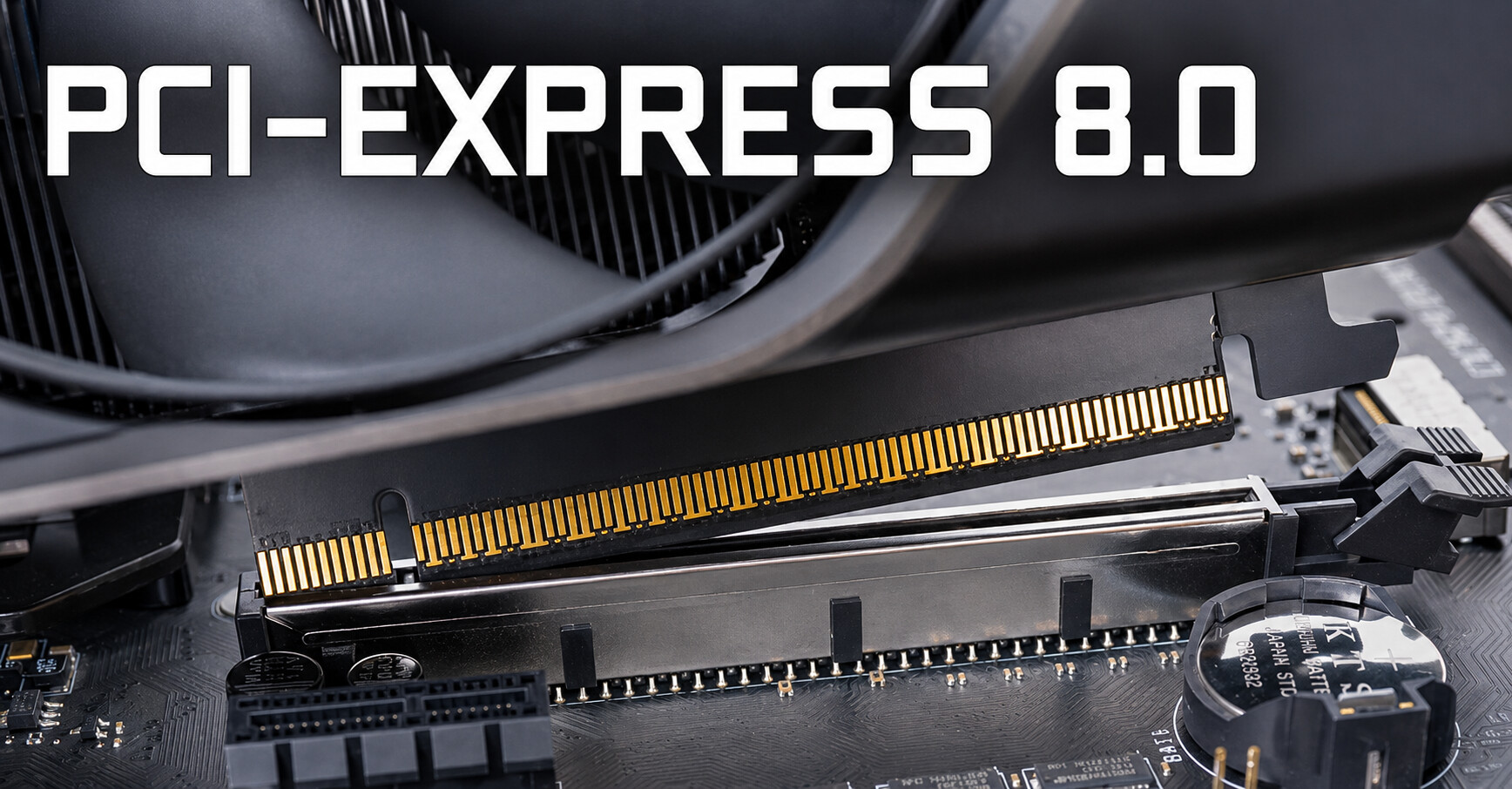
The PCI-SIG has just released the PCIe 8.0 specification, targeting a staggering 1 terabit per second of bandwidth and 256 gigatransfers per second by 2028. That’s eight times faster than PCIe 5.0, which itself was designed to handle the surge in AI workloads. The jump isn’t just about raw speed—it’s about redefining how data moves between components in a world where latency and throughput are equally critical.
What’s Changing Under the Hood
PCIe 8.0 introduces a new encoding scheme, doubling the effective data rate per lane compared to PCIe 5.0 without increasing clock speeds. That means more data can flow through existing physical connections, which is a double-edged sword: it reduces power consumption but also pushes thermal limits in high-density environments. The specification also tightens error correction and security protocols, making it the first generation built from the ground up for AI-accelerated infrastructure.

Who It’s For—and Who Might Wait
The obvious beneficiaries are data-center operators building next-gen AI clusters, where GPUs, TPUs, and high-speed NVMe SSDs are already straining PCIe 5.0’s limits. However, the transition won’t be instant. PCIe 6.0 is still in its early stages of adoption, and PCIe 8.0’s timeline suggests it may arrive when AI models start demanding even more bandwidth than today’s systems can provide. For now, most IT teams will see this as a long-term play rather than an immediate upgrade path.
There’s also the question of whether the industry needs this much performance yet. PCIe 5.0 was designed to last five years, but AI’s growth curve suggests that timeline may be too conservative. If that’s the case, PCIe 8.0 could arrive just in time—or it might arrive a generation too late.
The specification is still in its early stages, meaning hardware won’t hit shelves until at least 2027. But if the pace of AI adoption continues, this could be one of those rare cases where the next standard arrives before anyone’s ready for it.