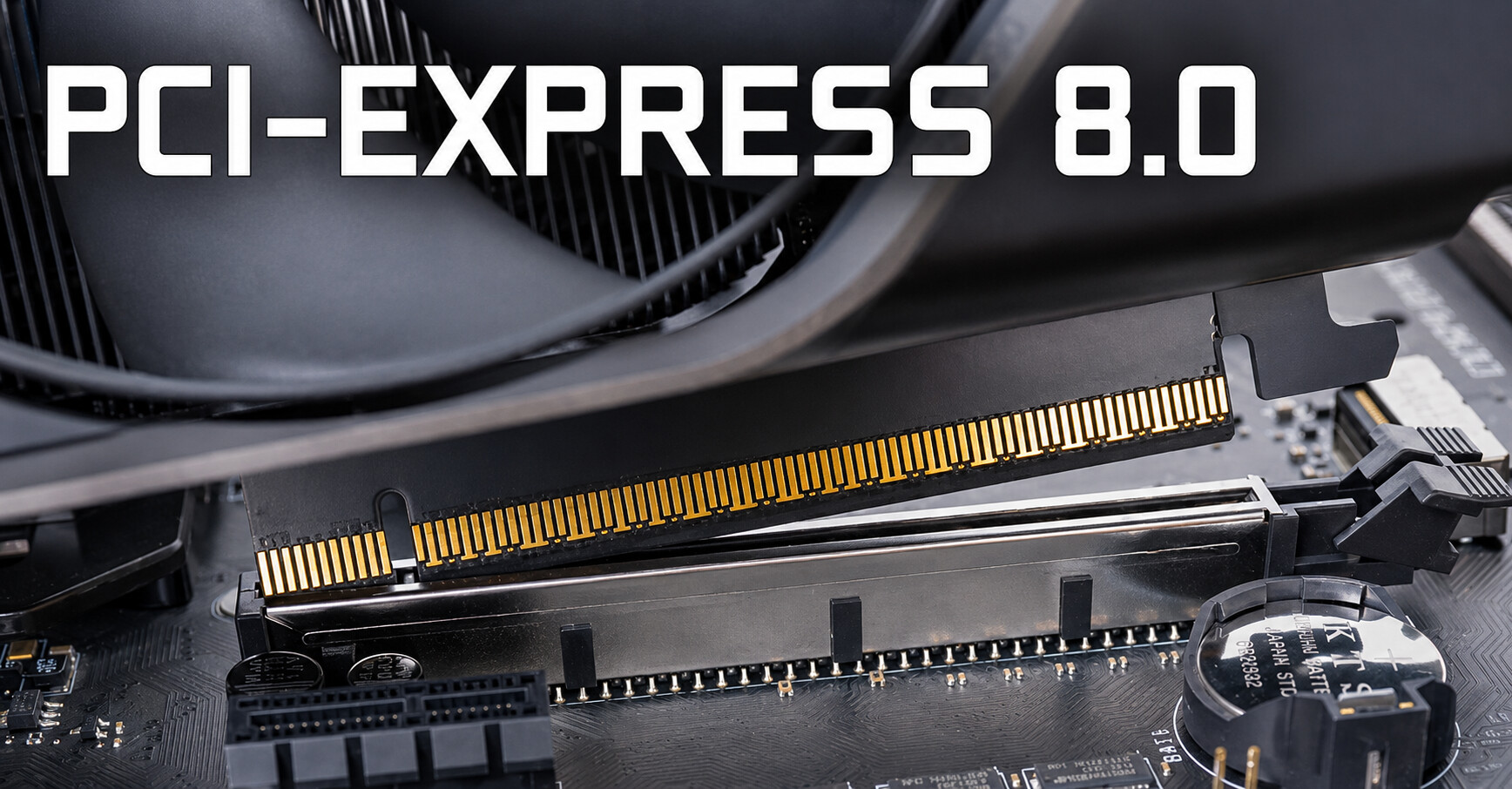
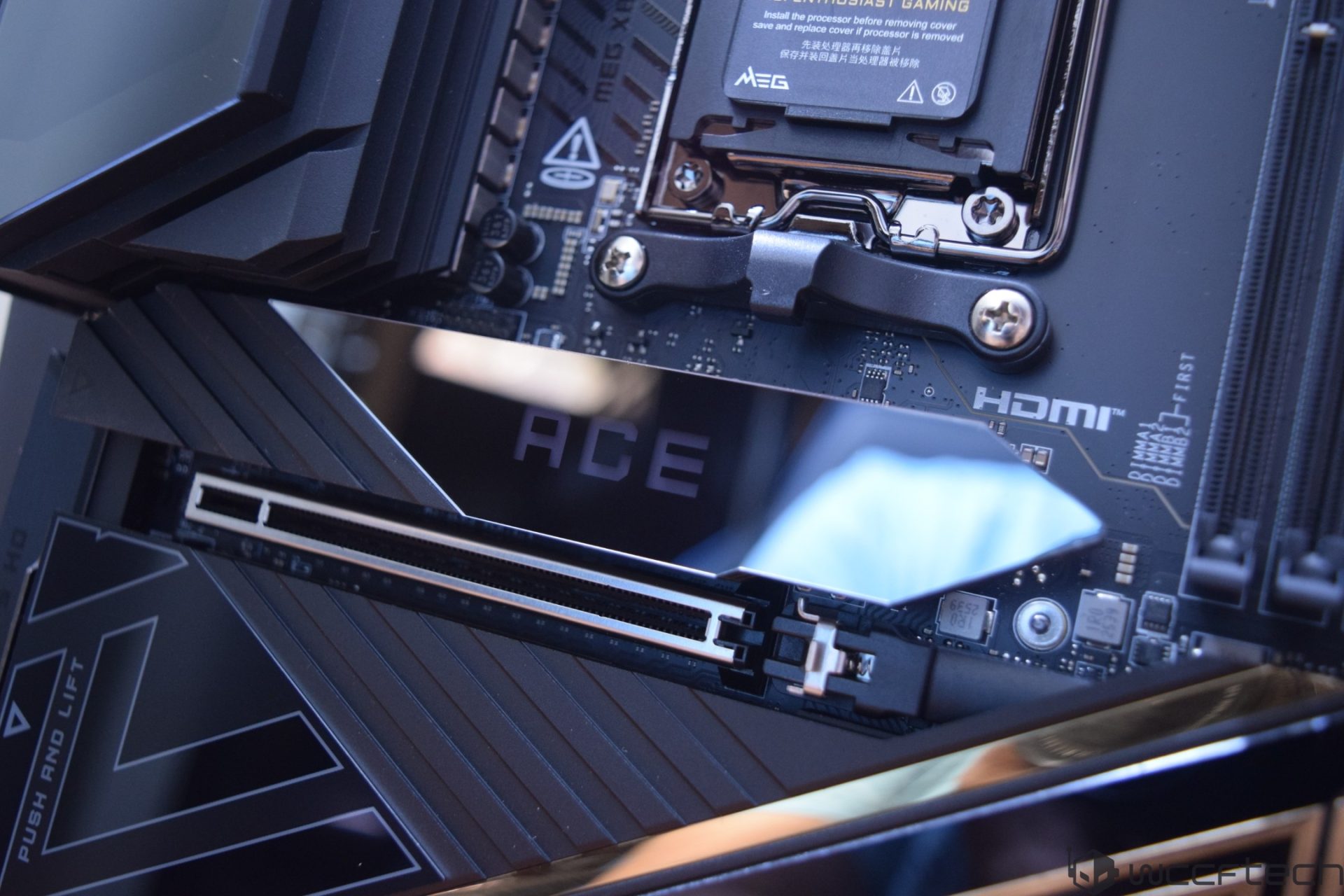
Thursday, May 7th 2026 PCIe 8.0 Targets 1 TB/s Bandwidth and May Need a New Connector by AleksandarK Today, 04:35 Discuss (0 ) PCI-SIG has released a small update on its upcoming PCIe 8.0 standard, with the draft milestone reaching version 0.5. Perhaps the most intriguing aspect of this draft update is not the performance itself, but the exploration of a new connector technology to support this high-bandwidth protocol. Last year, we learned that PCI-SIG plans to implement a 256.0 GT/s raw bit rate and 1 TB/s of bidirectional bandwidth in the x16 lane configuration. We had assumed that the protocol would continue using the familiar connector technology seen in previous PCIe updates. However, it turns out that the current connector might be a limiting factor, prompting the search for a replacement for the traditional PCIe electrical connection. The traditional PCIe connector is a copper-based link with up to 16 lanes connecting graphics cards to a slot. In a full x16 lane configuration, the PCIe generation supported by the motherboard provides the best performance, offering the maximum bandwidth the platform can deliver. However, with a 256 GT/s raw bit rate, the connector provides about 1 TB/s of bidirectional bandwidth, which is five times faster than the current PCIe 5.0 platform used with modern GPUs and CPUs. This indicates that the current physical layer facilitating communication between a GPU and a motherboard is nearing saturation with the advent of PCIe 8.0, necessitating the consideration of an alternative connection method. PC enthusiasts need not worry, as the standard is on track for final installment by 2028, suggesting that consumer PCs will likely adopt it in the next decade. Consumer GPUs have only recently transitioned from PCIe 4.0 to PCIe 5.0, with NVIDIA moving to PCIe 5.0 in the RTX 50-Series "Blackwell" from PCIe 4.0 in the RTX 40-Series "Ada Lovelace." This means that by the time consumer GPUs require PCIe 8.0, the entire ecosystem will likely adapt seamlessly in the following years. Initially, only server GPUs are expected to adopt this standard when AMD, Intel, and NVIDIA transition to the new standard. Below are some design goals that PCIe 8.0 aims to achieve in the final v1.0 specification:Delivering a 256.0 GT/s raw bit rate and up to 1.0 TB/s bidirectionally via x16 configurationEvaluating new connector technologyEnsuring latency, FEC, and reliability targets are metMaintaining backward compatibility with previous generations of PCIe technologyImproving bandwidth through protocol enhancementsReducing power consumption through additional techniques Source: PCI-SIG Related News Tags: 1 TB Ada Lovelace AMD Blackwell CPU GPU graphics cards Intel NVIDIA PCI-SIG PCIe 4.0 PCIe 5.0 PCIe 8.0 RTX specification v1.0 Jul 23rd 2025 DDR6 Memory Arrives in 2027 with 8,800-17,600 MT/s Speeds (194) Sep 18th 2025 NVIDIA Buys $5B Worth of Intel, RTX iGPUs Coming to x86, Shares up 25% (256) Sep 10th 2025 NVIDIA GeForce RTX 50-Series SUPER GPUs Could Arrive at CES 2026 (69) Aug 21st 2025 Melting 12VHPWR Connector Claims its First AMD RX 9070 XT Victim (109) Sep 3rd 2025 NVIDIA Discrete GPU Market Share Dominance Expands to 94%, Notes Report (237) Dec 31st 2025 Leaks Predict $5000 RTX 5090 GPUs in 2026 Thanks to AI Industry Demand (124) Sep 3rd 2025 AMD "Zen 6" Processors to Use TSMC 2 nm Node for CCDs, 3 nm for IOD (66) Sep 29th 2025 March-April Release of NVIDIA GeForce RTX 50-series SUPER Lineup, Possible CES Reveal (73) Aug 27th 2025 AMD's Next-Gen UDNA: Four Die Sizes, One Potential 96-CU Flagship (87) Apr 21st 2026 No Ryzen 9950X3D2 for , Gamers Nexus, or ComputerBase (207) Add your own on PCIe 8.0 Targets 1 TB/s Bandwidth and May Need a New Connector There are no yet.