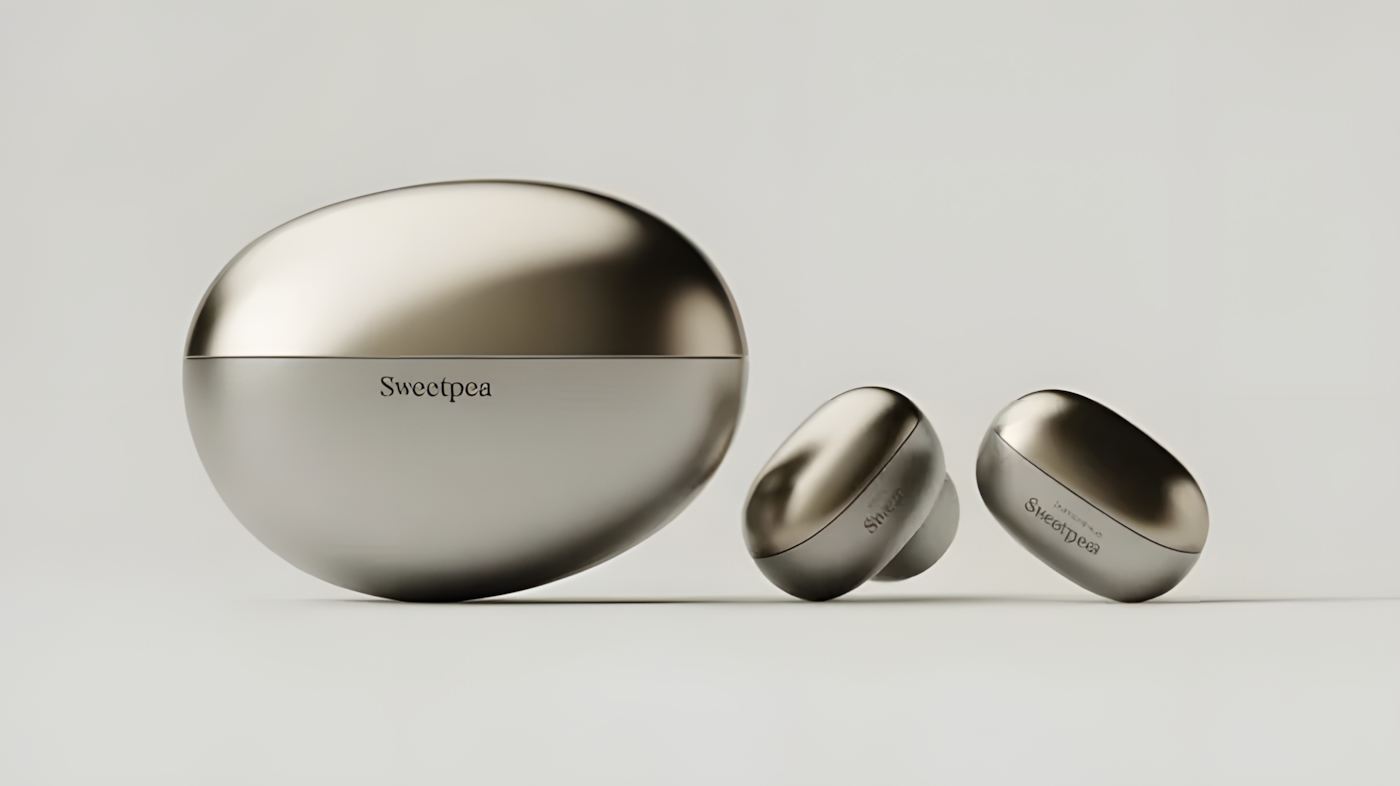
OpenAI’s push into hardware is hitting a snag before it even launches. The company’s first consumer AI device, internally known as Sweetpea and now rebranded as Dime, will arrive in a far more modest form than initially anticipated. What was once envisioned as a self-contained AI earbud with on-device processing power is now being positioned as a basic headphone with limited standalone capabilities—at least for its debut in late 2026.
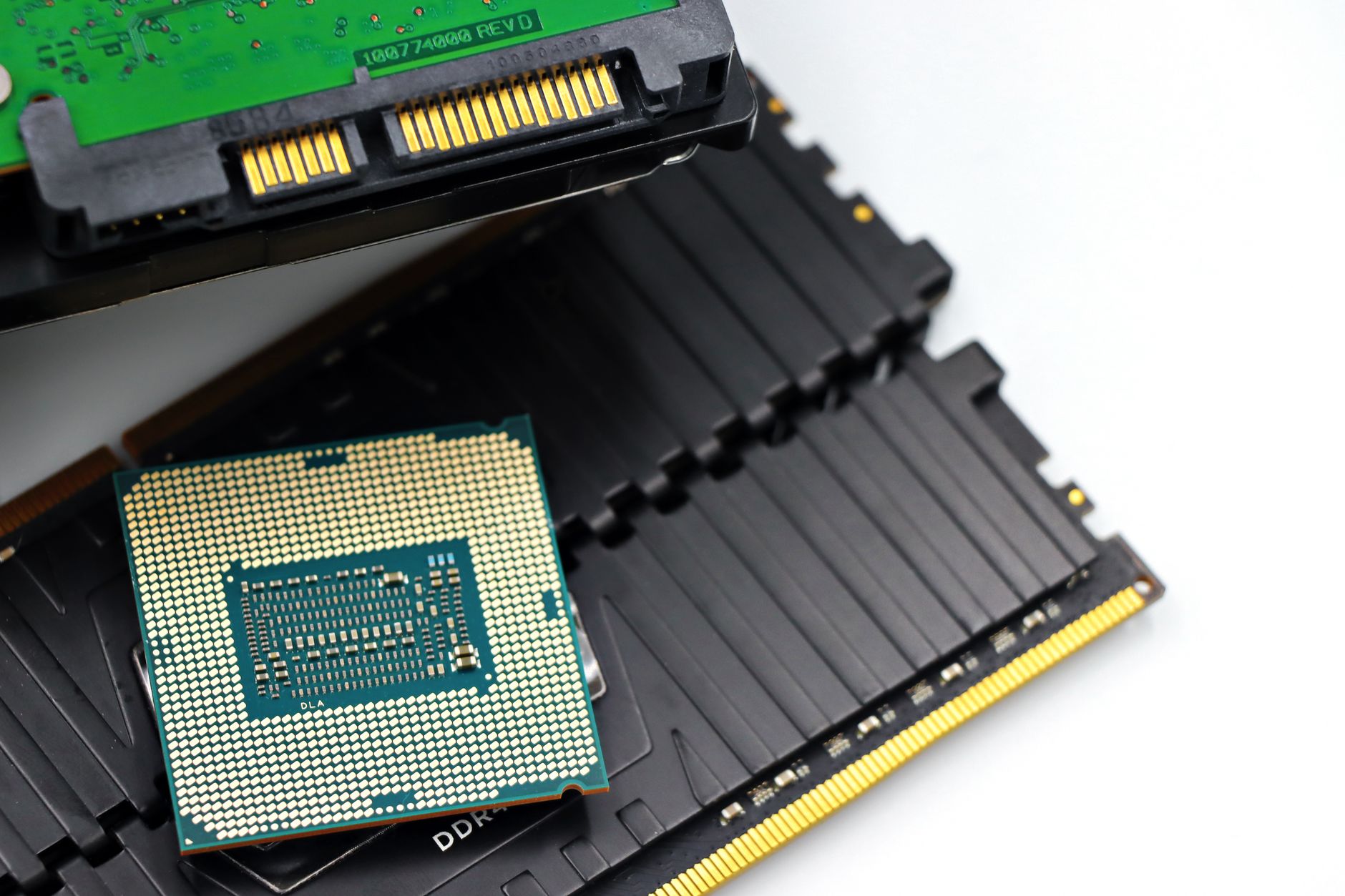
The shift stems from a combination of rising component costs and strategic pivots. Reports indicate that the 2nm Samsung Exynos chip originally planned for Dime has become prohibitively expensive due to memory price hikes, forcing OpenAI to rethink its approach. Instead of a fully autonomous AI companion, the first iteration will rely heavily on cloud-based processing, with only basic local tasks handled by the chip. Manufacturing is expected to be handled by Foxconn in Vietnam, aligning with OpenAI’s push to secure supply chains ahead of a September 2026 launch.
Why the Downgrade?
The original vision for Dime was ambitious: a device capable of running AI models on-device, reducing latency and improving privacy by minimizing cloud dependency. However, the economic reality of semiconductor manufacturing has upended those plans. The 2nm Exynos chip, while cutting-edge, now carries a higher bill of materials cost than projected, making it difficult to justify in a device that may not deliver the promised AI performance. Analysts suggest this could be a temporary setback, with future iterations potentially reintroducing more advanced on-device processing.
A Second Device in the Wings—But Uncertainty Looms
OpenAI isn’t stopping at Dime. A second project, codenamed Gumdrop, is in development—a pen-like device resembling Apple’s discontinued iPod Shuffle. Unlike Dime, Gumdrop is designed for local AI processing, featuring sensors like cameras and microphones to enable contextual awareness. It could convert handwritten notes to text, sync with ChatGPT, and even communicate with other devices, though its form factor suggests it’s more of a pocketable accessory than a wearable.
Yet, the delays and cost pressures surrounding Dime raise questions about Gumdrop’s timeline. If Dime’s launch is scaled back, industry observers speculate that Gumdrop—already delayed—could face further postponements or even a complete rethinking of its feature set.
Who Will Dime Serve?
For now, Dime appears aimed at a niche audience: users who want AI-enhanced audio experiences without the complexity of full on-device processing. The device’s reliance on cloud-based AI suggests it will function more like a high-end Bluetooth headphone with ChatGPT integration rather than a standalone AI assistant. This could appeal to early adopters testing OpenAI’s hardware ecosystem but may disappoint those expecting a breakthrough in AI wearables.
The bigger question is whether OpenAI can recover from this setback. The company’s hardware ambitions are clear, but the challenges of balancing cutting-edge tech with market realities are already testing its execution. If Dime underperforms, it could set a precedent for how OpenAI approaches future devices—prioritizing feasibility over ambition.
Availability for Dime is expected in September 2026, with pricing and full specifications yet to be confirmed.