For IT teams monitoring NVIDIA’s GPU ecosystem, the latest earnings report introduces a new layer of uncertainty.
The company has consolidated GeForce RTX gaming revenue under an expanded ‘Edge Computing’ segment, merging sales from GPUs with AI models, automotive solutions, and networking infrastructure. While total revenue in this category rose 10% quarter-over-quarter to $6.4 billion, the lack of granular breakdowns makes it harder to isolate gaming GPU performance—a critical metric for both buyers and competitors.
This shift follows NVIDIA’s last standalone gaming report in Q4 2025, where RTX revenue hit $3.7 billion. Now, even that figure is buried within a broader category that now represents just 7.84% of NVIDIA’s total revenue, down from previous quarters.
What Changed—and What It Means for Buyers
- Consolidation: GeForce RTX sales are no longer reported separately; they’re now part of a segment that includes AI-RAN base stations, robotics, and automotive products.
- Revenue Growth: The ‘Edge Computing’ category grew 29% year-over-year, but the split between gaming GPUs and other verticals remains unclear.
- CPU Expansion: NVIDIA is betting heavily on its Vera CPU architecture, targeting a $20 billion market with hyperscaler partnerships, though adoption timelines are still uncertain.
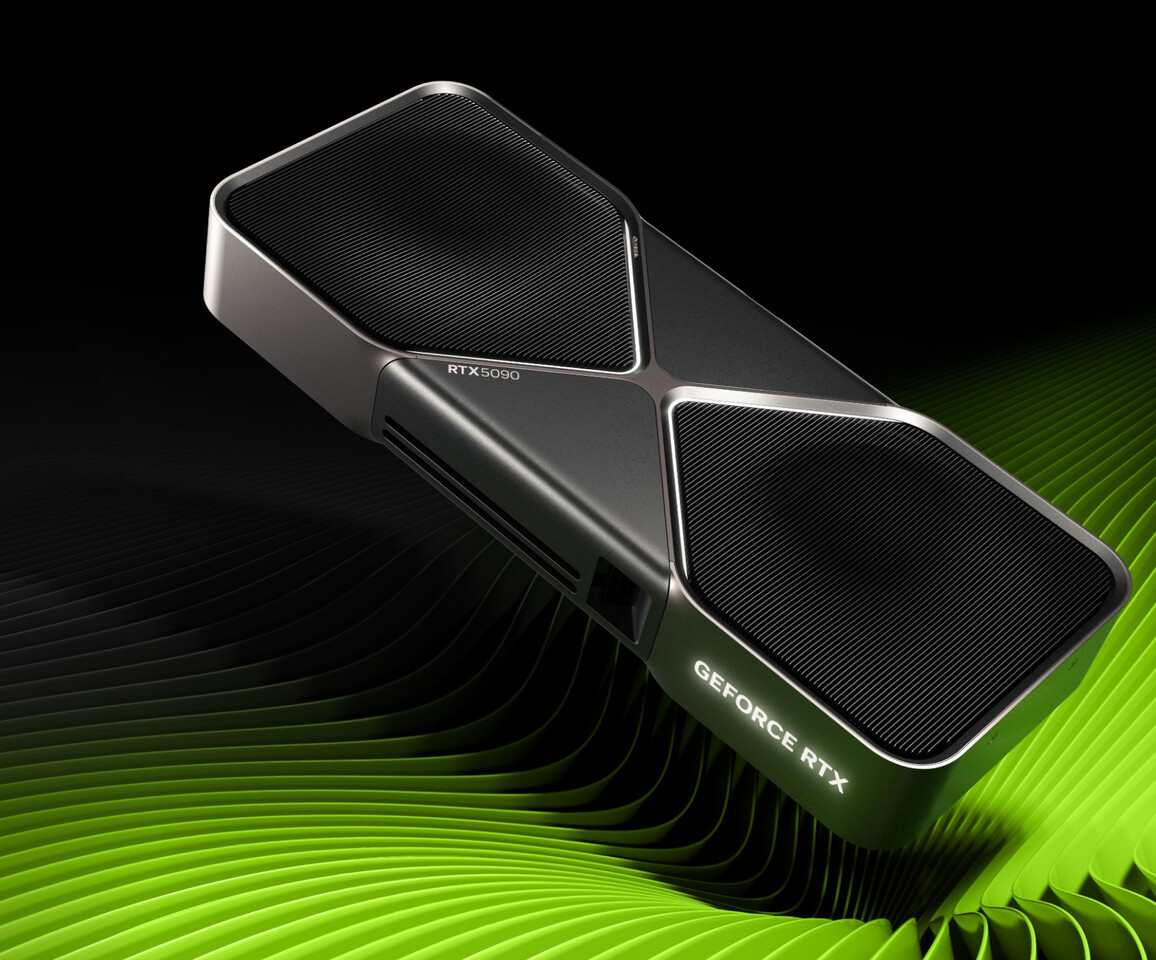
The move reflects NVIDIA’s strategic pivot toward broader edge and AI infrastructure, but it also raises practical concerns for IT teams. Without discrete gaming GPU data, budgeting and forecasting become more speculative. For example, the RTX 5070—launched in early 2026 with 16GB of memory—may see its market performance obscured by broader ‘Edge Computing’ trends.
For now, buyers will need to rely on indirect signals, such as supply chain reports or competitor benchmarks, until NVIDIA clarifies whether it plans to reintroduce standalone gaming GPU metrics. The company’s focus on CPUs and AI infrastructure suggests this transparency gap may persist for the foreseeable future.
Looking Ahead: What’s Next?
The transition to ‘Edge Computing’ reporting doesn’t necessarily mean gaming GPUs are losing importance—it’s just harder to measure. NVIDIA’s dominance in discrete GPU market share (reported at 94% earlier this year) remains intact, but the lack of granular data could complicate strategic decisions for IT leaders.
If past trends hold, the next major shift may come with the Rubin-based RTX 60-series, expected to deliver significant ray-tracing improvements. But without clear revenue segmentation, even those upgrades will be harder to contextualize—leaving buyers in a position where performance gains are known, but market dynamics are not.
For now, the status quo is one of cautious observation: NVIDIA’s move consolidates its dominance while making it more challenging for IT teams to track the very products they rely on.